

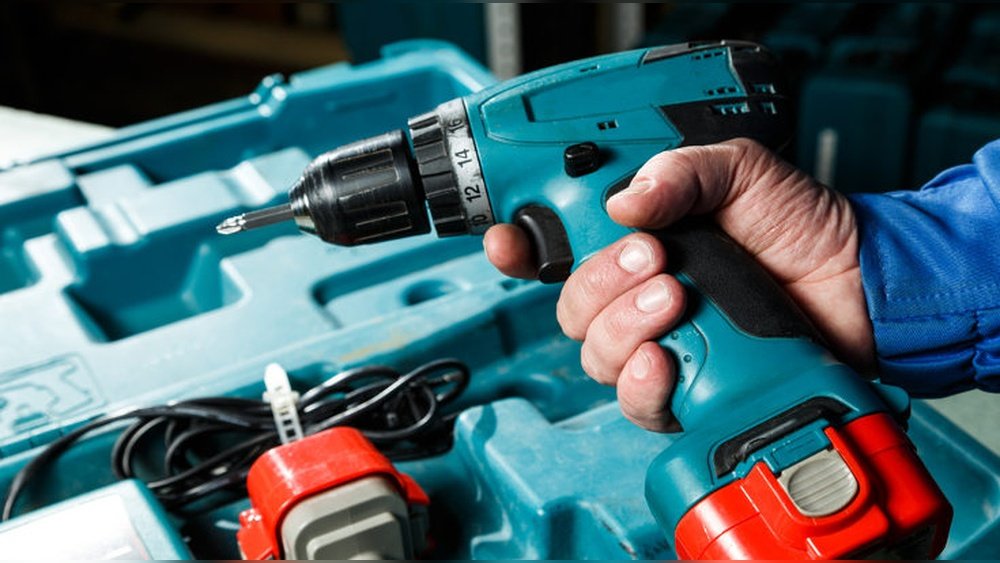
Using power tools makes many jobs faster and easier, but it comes with risks. Knowing what is acceptable and what is not when handling power tools can protect your hands, eyes, and even your life. Many accidents happen because people ignore basic safety rules or use tools incorrectly. Whether you are working at home or in a professional workshop, the right habits are essential.
Acceptable Practices When Using Power Tools
Power tools are designed for efficiency, but only when used safely and properly. Here are the most important acceptable practices:
1. Wear Proper Safety Gear
Always use eye protection like safety goggles. Hearing protection is important for loud tools. If you work with dust, use a mask. Gloves can protect your hands, but make sure they are suitable for the tool you are using.
2. Read The Manual
Before using any power tool, read the manufacturer’s manual. It explains safe operation, maintenance, and what to avoid. Many people skip this step, but it helps prevent mistakes.
3. Inspect Tools Before Use
Check for damaged cords, loose parts, or broken blades. If you find a problem, do not use the tool until it is repaired. Using damaged tools increases accident risk.
4. Use Tools For Their Intended Purpose
Never use a tool for something it was not designed to do. For example, do not use a drill as a hammer. Misusing tools can cause injury and damage.
5. Keep Work Area Clean And Well-lit
Clutter can cause trips and falls. Good lighting helps you see clearly and work safely.
6. Secure Materials Properly
Always clamp or hold materials firmly before cutting, drilling, or sanding. Loose items can move unexpectedly and cause accidents.
7. Disconnect Power When Changing Accessories
Unplug or switch off the tool before changing blades or bits. This prevents accidental start-up.
8. Follow Correct Operating Procedures
Start tools at low speed if possible and increase as needed. Keep hands away from moving parts. Maintain a firm grip.
9. Store Tools Safely
After use, unplug tools and store them in a dry, safe place out of children’s reach.
10. Respect Others In The Workspace
Warn others nearby before starting noisy or dangerous tools. Make sure everyone knows the risks.
Acceptable Vs. Unacceptable: Data And Comparisons
Understanding the difference between acceptable and unacceptable practices can be easier with real-world data and comparisons.
| Practice | Acceptable | Unacceptable |
|---|---|---|
| Wearing Safety Gear | Yes (goggles, gloves) | No (bare hands, no eye protection) |
| Inspecting Tools | Check before use | Use without checking |
| Work Area | Clean & organized | Cluttered & dark |
| Changing Accessories | Tool unplugged | Tool plugged in |
| Tool Use | Correct purpose | Wrong purpose |
A 2022 report from the US Consumer Product Safety Commission showed that over 37,000 injuries each year are linked to improper power tool use. Most accidents happen because people do not follow acceptable safety procedures.

Credit: www.ebay.com
Common Mistakes To Avoid
Even experienced users sometimes make mistakes. Here are two often missed points:
- Overconfidence: People sometimes skip safety steps because they feel comfortable with the tool. This increases risk.
- Rushing: Working too fast leads to errors. Take your time for every task.
Another non-obvious insight is the importance of checking power sources. Using tools with damaged plugs or overloaded outlets is never acceptable. Always use outlets with the correct voltage and avoid extension cords unless necessary.
Acceptable Maintenance And Storage
Keeping your tools in good condition is just as important as using them safely.
| Maintenance Step | Acceptable | Unacceptable |
|---|---|---|
| Cleaning | After every use | Rarely or never |
| Lubrication | As recommended | Never |
| Storage | Dry, safe location | Wet, exposed area |
| Repairs | By qualified person | DIY without skill |
When storing tools, never leave them plugged in or on the floor. Always put them away after use to prevent accidents and damage.
Examples Of Acceptable Power Tool Use
Let’s look at practical examples:
- Using a circular saw: Wear goggles, clamp wood, start at low speed, and keep hands away from the blade.
- Using a drill: Inspect the bit, secure the material, unplug before changing bits, and drill at the correct speed.
- Using a sander: Wear a mask, clean the area, check the power cord, and sand with steady, even pressure.
These examples show how following acceptable practices reduces risk and improves results.
Acceptable Use In Different Environments
The rules may change slightly depending on where you use power tools:
| Environment | Acceptable Practices |
|---|---|
| Home | Keep children away, use proper outlets, store tools locked |
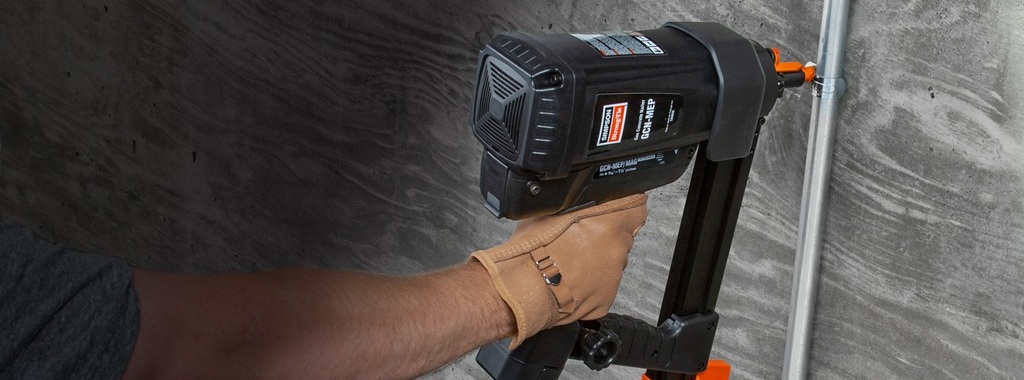
| Workshop | Wear full safety gear, follow workplace rules, communicate with coworkers |
| Outdoors | Protect from moisture, use ground-fault outlets, avoid rain |
Adjust your habits based on your location for best safety.
Credit: seblog.strongtie.com
Why Acceptable Practices Matter
Following acceptable practices helps prevent injuries, damage, and costly mistakes. It keeps you and others safe, extends the life of your tools, and makes work more efficient. Power tools are powerful, but only when you respect their limits.
If you want to read more about tool safety, visit OSHA.
Frequently Asked Questions
What Is The Most Important Safety Rule With Power Tools?
Always wear proper safety gear and check your tools before use. These two habits prevent most accidents.
Can I Use Power Tools Without Reading The Manual?
No, you should always read the manual first. It explains important safety steps and correct use.
Is It Safe To Use Power Tools In Wet Conditions?
Never use power tools in wet or damp conditions. Water can cause electric shock and damage the tool.
How Often Should I Clean And Maintain My Power Tools?
Clean your tools after every use and follow the manufacturer’s maintenance schedule. Proper care extends tool life and keeps them safe.
What Should I Do If A Tool Is Damaged?
Stop using it immediately. Have it repaired by a qualified person or replace it if necessary. Using damaged tools is never acceptable.
Staying safe with power tools is about making the right choices every time. Acceptable practices are not just rules—they are habits that protect you, your tools, and everyone around you.

Credit: www.ebay.com

Leave a Reply