


Always unplug, lock-out, and carry by the handle—never by the cord.
That one habit can stop many injuries before they happen. In this guide, I’ll walk you through what to do, what to avoid, and why it matters. If you’ve ever asked, Which is a Safety Practice For Carrying a Power Tool, you’re in the right place. I’ve carried tools on tight job sites, in shops, and on busy remodels, and I’ll share what works in the real world so you can move with confidence and keep your team safe.

Why Safe Carrying Matters
A tool is safe when it is controlled. Many injuries happen between work areas, not at the bench. People trip, cords snag, or a trigger gets bumped. Good carrying practice cuts these risks fast.
Injury data from safety groups shows that improper handling leads to cuts, shocks, and eye injuries. Carrying by the cord is a top cause of internal wire damage and shorts. If you’re wondering Which is a Safety Practice For Carrying a Power Tool, start by thinking control, not speed.
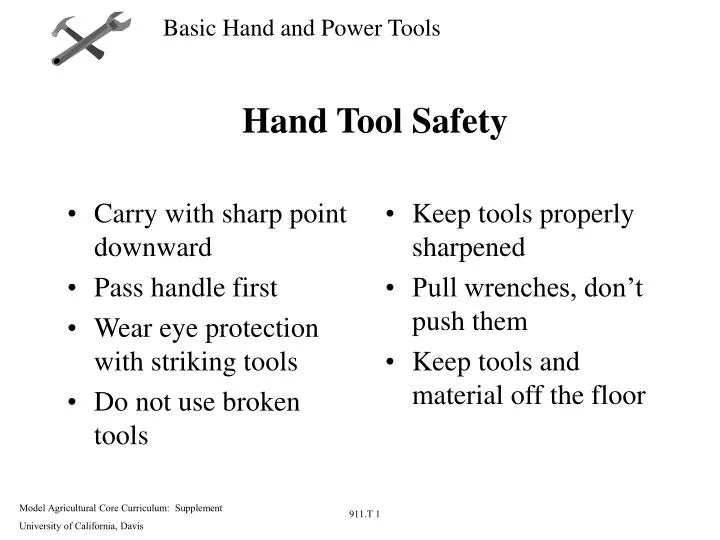
The Essential Steps Every Time You Move a Tool
Before you walk, set the tool to a safe state. Then carry it in a way that protects you, others, and the tool.
Follow this simple sequence:
- Power down and disconnect. Unplug corded tools or remove the battery on cordless models.
- Lock out if needed. On job sites, use lockout/tagout when others could re-energize a circuit or plug.
- Wait for moving parts to stop. Let blades, bits, or wheels spin down fully.
- Cover the sharp part. Use the guard, sheath, or case. Retract the blade if the tool has that feature.
- Hold the tool by the handle. Keep fingers off triggers. Use a holster or belt for small tools when possible.
- Control the cord or battery. Coil cords neatly in your other hand. Stow spare batteries in a pouch.
- Keep the tool close to your side. Point any sharp edge down and away from your body.
- Watch the path. Scan for trip hazards, wet spots, or people stepping through.
- Set it down right. Place it on a stable surface. Do not hang tools by cords or hoses.
Two quick reminders:
- Never carry a tool by the cord or hose. It can cause internal breaks and shock risk.
- If you still think, Which is a Safety Practice For Carrying a Power Tool, remember this: de-energize, guard, handle, and clear path.
I teach crews to say it out loud before they move: unplug, guard, handle, path. It sticks, even on long days. And yes, Which is a Safety Practice For Carrying a Power Tool is answered best by that simple script.

Tool-by-Tool Tips That Make a Difference
Corded tools
- Unplug and carry by the handle. Coil the cord without tight kinks.
- Check the plug and strain relief. If you see cuts or exposed wire, tag it out.
Cordless drills and drivers
- Remove the bit, or point it down with the clutch set low.
- Drop the battery if you will cross a busy area or climb a ladder.
Circular saws and miter saws
- Unplug or remove the battery. Ensure the lower guard works and covers the blade.
- Carry with the blade down and the handle up. Keep hands off the trigger.
Grinders
- Wait for full stop. Use the guard and wheel cover.
- Carry with the wheel turned inward and pointed down.
Nailers and staplers
- Disconnect the air hose or remove the battery/gas can.
- Keep the nose pointed down. Use the trigger lock if built in.
Rotary tools and routers
- Unplug and remove bits if possible. Use collet caps and cases.
- Keep the base or guard on during transport.
In my experience, the tool that bites most when carried wrong is the grinder. If you ask again, Which is a Safety Practice For Carrying a Power Tool, grinders make the case clear: de-energize, guard in place, wheel down, and firm handle grip.

Avoid These Common Mistakes
- Carrying by the cord or hose. This damages insulation and causes shock risk.
- Walking with a finger on the trigger. A small bump can start the tool.
- Moving before spin-down. A coasting blade can cut through clothes and gloves.
- Letting bits and blades stay exposed. Use sheaths, guards, or cases.
- Carrying too many items at once. Make two trips or use a cart.
- Stepping into blind corners fast. Slow down and call out when turning.
As a crew lead, I once stopped a helper carrying a circular saw by the guard. The guard snapped back and nicked his glove. We shared the rule with the whole team that day. If you still wonder Which is a Safety Practice For Carrying a Power Tool, learn from that moment: handle only, guard on, blade still.

A Simple 60-Second Carry Checklist
Use this quick list before any move:
- Is it unplugged or is the battery out?
- Has the bit, blade, or wheel stopped?
- Is the guard on and secure?
- Am I holding the handle with a dry, solid grip?
- Is my path clear and my cord managed?
- Do I have PPE on? Glasses. Gloves. Boots.
Short scenario:
On a remodel, I had to bring a cordless saw down narrow stairs. I removed the battery, locked the guard, and held the saw by the top handle, blade down. I asked a coworker to spot the steps. We reached the truck with zero drama. If you’re still asking, Which is a Safety Practice For Carrying a Power Tool, that scenario nails it: control the energy, control the edges, control the path.
Quick Q&A along the way:
Should I carry a drill with the bit installed?
If you can, remove it. If not, point it down and keep your finger off the trigger.
Is it okay to move a tool a few feet while it coasts?
No. Wait until it fully stops. A coasting wheel can still cut or catch.
Do gloves help while carrying?
Yes, but use snug gloves with good grip. Loose gloves can snag on guards.

PPE and Environment Make Carrying Safer
Personal protective equipment sets a safe baseline:
- Eyes. Wear safety glasses any time tools are in hand.
- Hands. Choose snug, cut-resistant gloves with good grip.
- Feet. Wear sturdy, closed-toe boots with slip-resistant soles.
Control the space too:
- Clear cords and hoses from walkways.
- Dry wet spots. Mark slick areas when you cannot dry them fast.
- Use carts or totes for longer moves or many tools at once.
- Add light to dim areas and tag bad steps.
Even with perfect PPE, your best defense is safe handling. If you ask, Which is a Safety Practice For Carrying a Power Tool, PPE supports the plan, but the plan is still de-energize, guard, handle, path.

Policies, Training, and Storage Habits
Good habits scale when a crew agrees on the same rules:
- Post a simple carry policy on the board.
- Train new hires on day one. Do a live demo on unplugging, guarding, and carrying.
- Use sheaths, guards, and cases. Keep extras on the tool crib shelf.
- Inspect cords, plugs, guards, and triggers weekly. Tag out and repair fast.
- Store bits and blades in organizers so edges are covered before any move.
Many safety standards say the same thing even if the words change: keep tools de-energized, guarded, and under control when you move them. When someone asks on your site, Which is a Safety Practice For Carrying a Power Tool, point to the posted policy and do a two-minute demo right there.

Frequently Asked Questions of Which is a Safety Practice For Carrying a Power Tool
What should I do first before carrying any power tool?
Turn it off and disconnect power. Unplug corded tools or remove the battery from cordless tools.
How should I hold a power tool while walking?
Use the designated handle with a firm grip. Keep fingers off the trigger and point sharp parts down.
Can I carry a tool by the cord if it’s just a short distance?
No. Carrying by the cord can damage wires and cause shocks or failure.
Should I keep guards on while moving the tool?
Yes. Guards and sheaths protect you and others from sharp edges during transport.
Is it safe to carry multiple tools at once?
Limit it. Make two trips or use a cart to keep full control and prevent drops.
Conclusion
Safe carrying is simple, fast, and saves hands, eyes, and time. Unplug or remove the battery, wait for full stop, cover the edge, hold the handle, and walk a clear path. If a coworker asks, Which is a Safety Practice For Carrying a Power Tool, show them the steps and make it standard on your team.
Start today. Post a short checklist, demo it once a week, and keep guards and cases within reach. Want more practical safety tips? Subscribe, share your questions, or drop your best carry hack in the comments.

Leave a Reply