

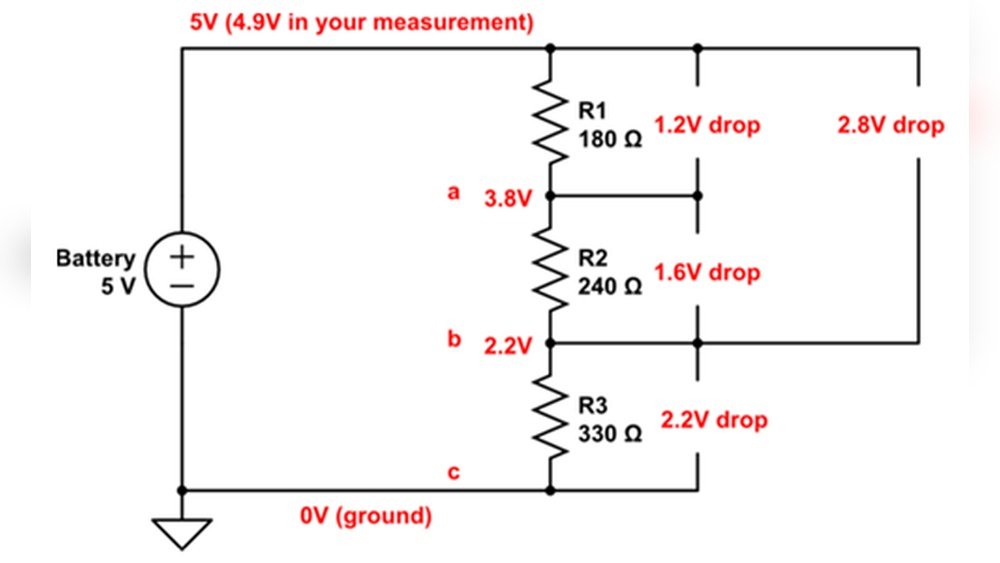
Voltage drop is a common electrical issue that can cause devices to malfunction, overheat, or fail. Many people ignore this problem, thinking it’s minor, but even small drops in voltage can lead to big safety risks and wasted energy. If you want your electrical system to work reliably and safely, understanding voltage drop problems and solutions is essential. This article explains why voltage drop happens, how to spot it, and what you can do to fix it.
What Is Voltage Drop?
Voltage drop is the reduction in voltage as electricity travels through wires. When electrical current flows, resistance in the wire slows it down, causing some energy to be lost. The farther electricity travels and the thinner the wire, the more voltage drops. Devices and appliances may not get the power they need, making them less efficient or even dangerous.
Example: If your home uses a long extension cord to power a fridge, and the wire is thin, the fridge may not get enough voltage. It could run poorly or not start at all.
Causes Of Voltage Drop
Understanding the main causes helps prevent problems. Here are the most common reasons:
- Long wire runs: The longer the wire, the more resistance it has.
- Small wire size: Thin wires have higher resistance.
- High current draw: More current means more drop.
- Loose connections: Poor contacts increase resistance.
- Corroded wires: Rust or oxidation raises resistance.
- Overloaded circuits: Too many devices on one circuit.
These factors often work together, making voltage drop worse.

Credit: www.youtube.com
How To Identify Voltage Drop
Spotting voltage drop early saves money and prevents safety hazards. Here are clear signs and methods:
- Dim lights: If lights flicker or look weak, voltage may be dropping.
- Warm outlets or wires: Heat means resistance is too high.
- Slow or malfunctioning devices: Motors and electronics may not work well.
- Measuring voltage: Use a voltmeter. If the reading at the device is much lower than at the panel, you have a problem.
Data example: The National Electric Code recommends no more than a 3% voltage drop for branch circuits. If your circuit starts at 120 volts, devices should get at least 116.4 volts.
Effects Of Voltage Drop
Voltage drop is not just inconvenient—it can be dangerous. Here’s what can happen:
- Reduced efficiency: Devices use more energy.
- Equipment damage: Motors and electronics can overheat or fail.
- Fire risk: Excessive heat from wires and connections.
- Unexpected shutdowns: Appliances may turn off or reset.
In large buildings or industrial sites, voltage drop can cost thousands of dollars in wasted power and repairs.
Solutions To Voltage Drop Problems
Fixing voltage drop takes planning and good practices. Here’s how you can solve or prevent it:
1. Use Larger Wire Sizes
Thicker wires have less resistance. If you need to run power over a long distance, choose a larger wire.
| Wire Gauge | Max Amps | Recommended Distance (ft) |
|---|---|---|
| 14 AWG | 15 | 50 |
| 12 AWG | 20 | 100 |
| 10 AWG | 30 | 150 |
Choosing the right wire size is one of the best ways to reduce voltage drop.
2. Minimize Wire Length
Keep wires as short as possible. Place outlets or devices closer to the power source.
3. Reduce Current Draw
Avoid putting too many devices on one circuit. Spread loads across multiple circuits if you can.
4. Improve Connections
Check all connections for tightness. Replace corroded or damaged wires.
5. Use Parallel Wires
For heavy loads, running two wires in parallel can lower resistance and voltage drop.
6. Upgrade Electrical Panels
Older panels may be undersized for modern needs. Upgrading can help distribute power better.
7. Regular Maintenance
Inspect wiring often, especially in older homes or buildings. Look for signs of heat, corrosion, or wear.
Practical tip: Many beginners forget to check the actual amp draw of their devices. Always check the label or manual to see how much current is needed.
Voltage Drop Calculation Example
To see how voltage drop is calculated, use the formula:
Voltage Drop = (Current × Length × 2 × Resistance per unit length) / 1000
Suppose you have a 12 AWG wire (resistance = 0. 005 ohms/ft), running 100 feet, carrying 15 amps.
Voltage Drop = (15 × 100 × 2 × 0. 005) / 1000 = 1. 5 volts
If your starting voltage is 120 volts, the device gets 118. 5 volts. This is within the safe 3% range.
Comparing Common Wire Types
Different wire materials affect voltage drop. Copper is better than aluminum.
| Wire Type | Resistance (Ohms/ft) | Voltage Drop Over 100 ft (15A) |
|---|---|---|
| Copper (12 AWG) | 0.005 | 1.5 V |
| Aluminum (12 AWG) | 0.008 | 2.4 V |
Copper wires are more expensive but help prevent voltage drop problems.
Mistakes To Avoid
Many homeowners and electricians make mistakes that cause voltage drop:
- Using extension cords for permanent wiring
- Not upgrading wire size for new appliances
- Ignoring signs like warm outlets or dim lights
- Forgetting to check connections during installation
Non-obvious insight: Sometimes, voltage drop happens because wires are run through hot areas (like attics), which increases resistance. Always consider temperature when planning wiring.

Credit: www.ashleyedison.com
Real-world Example
A small factory added new machines without upgrading their wiring. Workers noticed machines starting slowly and lights flickering. Checking voltage at the machines showed only 110 volts instead of 120. The fix? They installed larger wires and split the loads onto new circuits.
Everything worked better and energy bills dropped.
For more technical guidance, you can visit NEMA’s official voltage drop page.
Frequently Asked Questions
What Is The Maximum Safe Voltage Drop For Residential Circuits?
The recommended maximum is 3% for branch circuits, according to the National Electric Code. For a 120-volt circuit, this means devices should get at least 116.4 volts.
How Do I Check For Voltage Drop In My Home?
Use a voltmeter to compare voltage at the panel and at the device. A drop of more than 3% is a concern.
Can Voltage Drop Cause Fires?
Yes, if voltage drop leads to wires overheating. Excess heat can damage insulation and start fires.
Should I Use Copper Or Aluminum Wire?
Copper wire is better for minimizing voltage drop, but aluminum is cheaper. Choose copper for long runs or heavy loads.
What’s The Best Way To Fix Voltage Drop?
Increase wire size, reduce wire length, and check connections. For big loads, consider upgrading your electrical panel or splitting loads onto new circuits.
Solving voltage drop issues not only keeps your devices safe but also saves energy and money. By understanding the causes and solutions, you can make smarter choices for your home or business.

Credit: pinoybix.org

Leave a Reply