

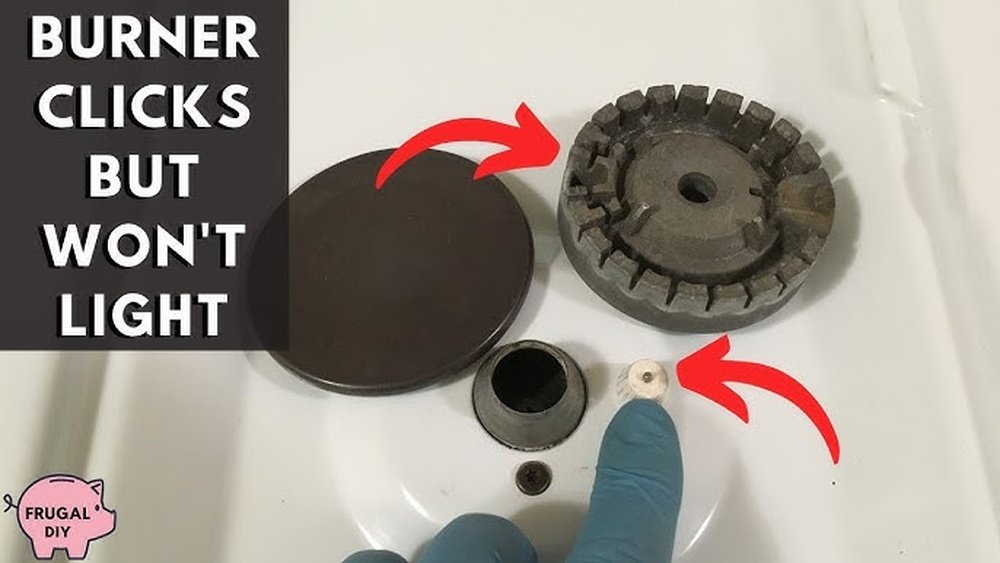
Stove burners are essential in the kitchen for cooking meals quickly and efficiently. So, when your stove burners not igniting, it can disrupt your day and leave you wondering what’s wrong. This problem is common in both gas and electric stoves. Understanding the causes and solutions can save you time, money, and frustration. Let’s explore why stove burners might not ignite, how you can fix the issue, and what to avoid.
Common Reasons Stove Burners Fail To Ignite
Several factors can cause stove burners to stop working. Some are easy to fix, while others may need professional help.
1. Dirty Burner Components
Food spills, grease, and dust can block the burner ports or igniter. When clogged, gas cannot flow or the spark fails to reach the gas.
- Clean burners regularly using a brush or a pin.
- Remove the burner cap and wash with warm soapy water.
2. Faulty Igniter
The igniter creates a spark to light the gas. If it’s damaged or worn out, it won’t work.
- Listen for a clicking sound. No click means the igniter may need replacement.
- A weak spark can be caused by moisture or dirt.
3. Gas Supply Issues
If there’s no gas, burners won’t ignite. Problems could include:
- Gas valve turned off
- Empty propane tank (for propane stoves)
- Blocked gas line
4. Improper Burner Assembly
Burners must be assembled correctly. Misaligned caps or rings block ignition.
- Check alignment after cleaning or moving parts.
5. Electrical Problems
Electric ignition systems rely on power. A tripped circuit or loose wire can prevent sparks.
- Test other appliances to ensure power supply.
- Inspect stove wiring if you’re comfortable doing so.
6. Moisture In Burner
After cleaning, water may remain inside. Damp igniters can’t produce sparks.
- Allow burners to dry fully before use.
Step-by-step Troubleshooting
When your stove burners don’t ignite, follow these steps to diagnose and fix the problem:
- Safety first: Turn off all controls and wait for burners to cool.
- Check gas supply: Ensure the gas valve is open and the tank is filled.
- Inspect burner parts: Remove burner caps and rings. Clean any debris.
- Listen for the igniter: Turn the knob and listen for a click. No sound suggests an electrical issue.
- Dry all parts: If you recently cleaned, wipe and air dry thoroughly.
- Reassemble carefully: Put caps and rings back in their correct position.
- Test ignition: Turn the knob and check if the burner lights.
If these steps don’t work, you may need a professional repair. Avoid forcing parts or using sharp objects that may damage the stove.

Credit: www.youtube.com
Comparing Gas And Electric Stove Ignition Issues
Gas and electric stoves have different ignition systems. Here’s a quick comparison:
| Feature | Gas Stove | Electric Stove |
|---|---|---|
| Ignition Type | Spark (igniter) | Heating element |
| Common Failure | Dirty igniter, gas supply | Broken element, power issues |
| DIY Fix | Clean igniter, check gas | Replace element, check fuse |
| Safety Risk | Gas leak | Electric shock |
Gas stoves usually fail due to ignition or gas supply problems. Electric stoves often have issues with heating elements or power.
How Often Do Stove Burners Fail?
Stove burner failures are more common than you might think. According to appliance repair data, about 15% of home gas stoves experience ignition issues every year. Most failures happen due to poor cleaning or incorrect assembly after maintenance.
Here’s a breakdown of the most frequent causes:
| Cause | Frequency (%) |
|---|---|
| Dirty Burner | 40% |
| Faulty Igniter | 25% |
| Gas Supply | 20% |
| Assembly Error | 10% |
| Electrical Problem | 5% |
Credit: us.ilve.com
Practical Tips To Prevent Stove Burner Problems
Most ignition issues can be avoided with simple habits:
- Clean burners after spills to prevent build-up.
- Dry all parts completely after cleaning.
- Check burner alignment when reassembling.
- Inspect igniters for wear and replace as needed.
- Test gas supply regularly, especially before big meals or events.
Non-obvious insight: Many people forget to check the stove’s safety lock or child lock feature, which can prevent ignition. Always check your model’s manual for hidden settings.
When To Call A Professional
If you smell gas, notice sparks, or see physical damage, stop using the stove and call a qualified technician immediately. Trying to fix major electrical or gas issues yourself can be dangerous.
Non-obvious insight: Some newer stoves have electronic error codes. If your stove displays a code, search the manual or manufacturer’s website for guidance.
Credit: us.ilve.com
Frequently Asked Questions
Why Does My Stove Burner Click But Not Ignite?
A clicking sound usually means the igniter is working, but the gas isn’t reaching it. Check if the burner ports are blocked or if the gas supply is off. Cleaning the area often solves the problem.
Can I Use My Stove If One Burner Isn’t Working?
You can use other burners, but don’t use the broken one. Continued use may cause gas leaks or damage. Fix the issue as soon as possible.
How Do I Clean Stove Burners Safely?
Remove the burner caps and soak them in warm soapy water. Use a brush or pin to clear the ports. Dry all parts thoroughly before reassembling.
What Are Signs Of A Gas Leak From My Stove?
Common signs include a rotten egg smell, hissing sounds, or dizziness. If you notice these, turn off the gas supply and open windows. Call emergency services right away.
Where Can I Find Reliable Stove Repair Guides?
Check your stove’s manual or visit websites like Consumer Reports for trusted repair advice and safety tips.
A stove that won’t ignite is frustrating, but most issues are simple to fix if you know what to look for. Regular cleaning, careful assembly, and quick troubleshooting keep your stove running smoothly. If the problem persists or seems dangerous, don’t hesitate to seek professional help.
With these tips, your kitchen can stay safe and efficient.

Leave a Reply