

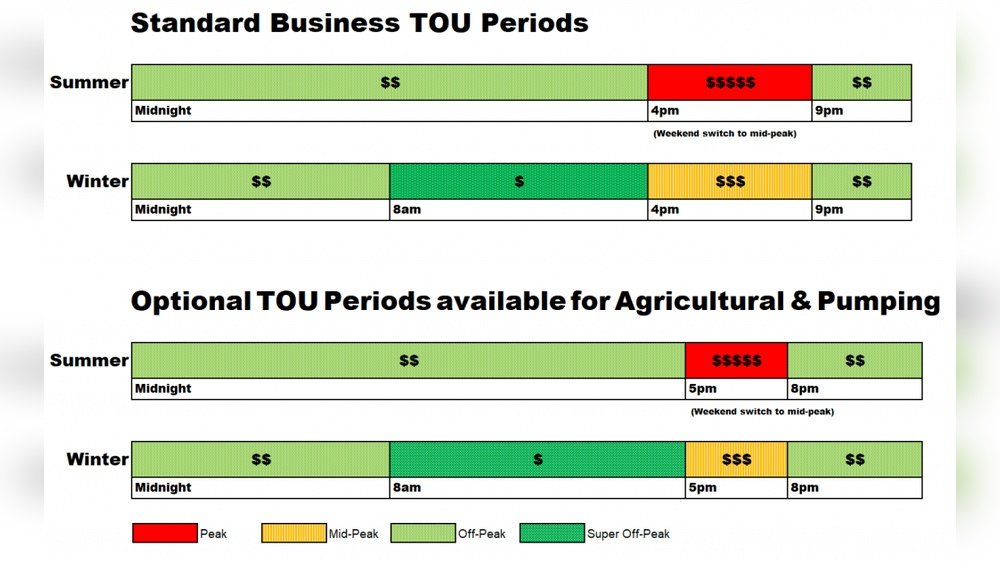
Many people wonder if their electric bill is higher in winter or summer. The answer depends on where you live, how you heat and cool your home, and your personal habits. Understanding these factors can help you better manage your energy costs and avoid surprises on your monthly statement.
What Drives Your Electric Bill?
The main reason your electric bill changes with the seasons is heating and cooling. In most homes, the largest share of electricity goes to air conditioning in summer and heating systems in winter. However, the way your home is heated or cooled makes a big difference.
Electricity Use: Heating Vs Cooling
| Season | Main Energy Use | Common Power Source |
|---|---|---|
| Winter | Heating | Gas, Electric |
| Summer | Cooling (AC) | Electric |
In the summer, air conditioning is powered by electricity. In the winter, heating may use electricity, but many homes use natural gas, oil, or propane. If your heating is electric, your winter bill can be much higher than in summer. If you use gas or oil, your electric bill may drop in winter.
Climate Makes A Big Difference
Where you live changes everything. In the southern US, summers are long and hot, so air conditioning can cause high bills from June to September. In the northern US, winters are longer and colder, so heating costs rise—especially if you use electric heaters.
Example: Comparing Two Cities
| City | Peak Electric Bill Season | Why? |
|---|---|---|
| Miami, FL | Summer | High AC use |
| Minneapolis, MN | Winter | Electric heating, less AC |
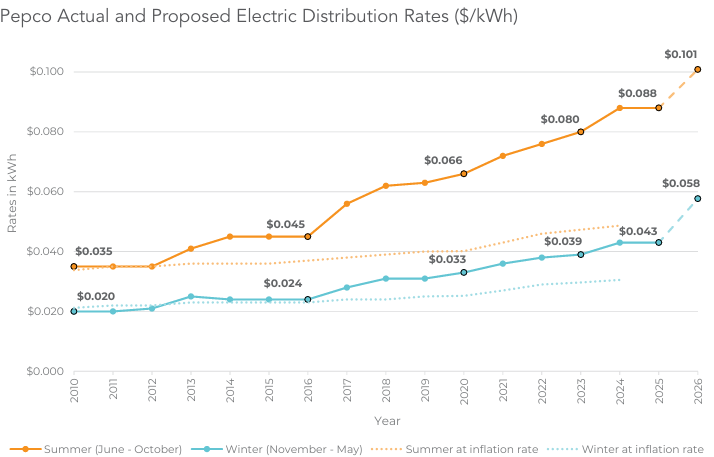
Credit: opc.maryland.gov
Other Factors That Affect Your Bill
- Insulation: Poor insulation means more energy needed for comfort.
- Windows: Single-pane windows lose more heat or cool air.
- Thermostat habits: Setting your thermostat higher in winter or lower in summer increases usage.
- Appliance use: More time indoors in winter means more lights, electronics, and cooking.
A non-obvious insight: Humidity also impacts energy use. In humid climates, your air conditioner works harder, raising summer bills. Another detail: Space heaters in winter, even for small rooms, can quickly increase electricity costs if used for long periods.
How To Lower Your Electric Bill
- Upgrade insulation to keep heat or cool air inside.
- Use programmable thermostats to reduce use when you’re away.
- Seal leaks around doors and windows.
- Maintain HVAC systems for better efficiency.
According to the U.S. Energy Information Administration, air conditioning accounts for about 12% of total home energy use in the US, but heating can be much more in cold regions. For more detailed energy usage statistics, visit the U.S. Energy Information Administration.

Credit: evergreen-electrica.com
Frequently Asked Questions
Why Is My Electric Bill Higher In Winter?
If you use electric heating, your bill will be higher in winter because heating uses a lot of power. Other heating systems (gas, oil) may not impact your electric bill as much.
Does Air Conditioning Use More Electricity Than Heating?
In most homes with electric heating, heating uses more electricity than air conditioning. However, in warmer climates, AC can be the bigger cost.
How Can I Tell What Raises My Bill?
Check your energy statement for usage patterns or install a smart meter. Look for large jumps during extreme weather months.
Do Space Heaters Cost A Lot To Run?
Yes, space heaters can add a lot to your bill if used for many hours, especially in rooms that are not well-insulated.
Will Solar Panels Help Reduce Seasonal Bills?
Solar panels can lower both summer and winter electric bills, but savings depend on your location, sunlight, and energy use patterns.

Leave a Reply