

Winter is a time when many people see their electric bill rise sharply. Cold weather means we use heaters, electric blankets, and keep lights on longer. But with a few smart changes, you can lower your electric bill and still stay comfortable. Understanding how to reduce energy use in winter is important for saving money and helping the environment. Here, you’ll find practical advice, real examples, and useful tips that can make a big difference.
Why Electric Bills Go Up In Winter
When temperatures drop, homes need more energy to stay warm. Most families use electric heaters, heat pumps, or central heating systems. These devices can consume a lot of electricity. At the same time, days are shorter, so lights stay on for longer hours. Some people also use extra appliances like humidifiers or space heaters. All these factors add up, making winter the most expensive season for electricity in many homes.
Even small habits can have a big impact. For example, leaving doors or windows open just a little can let heat escape, forcing heaters to work harder. Using old or inefficient appliances also wastes energy. Knowing what drives your bill higher helps you target the right changes.
Smart Thermostat Settings
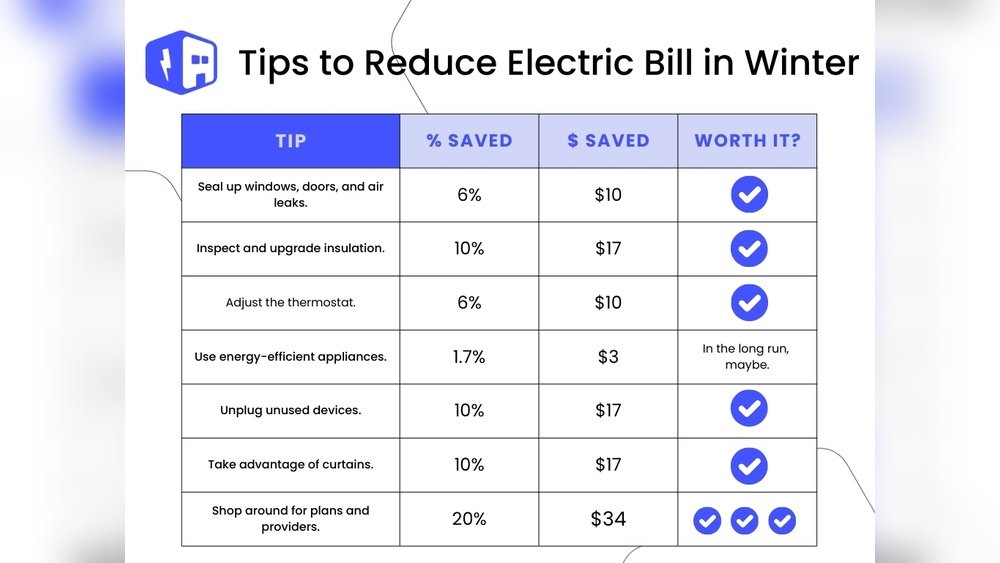
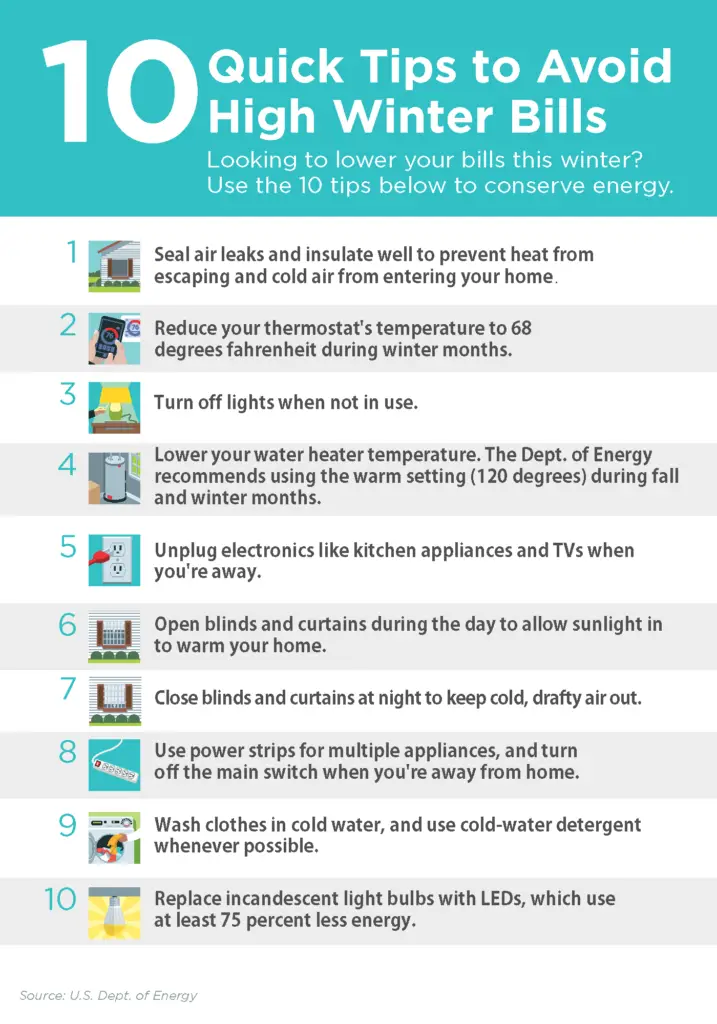
One of the simplest ways to save money is to control your thermostat wisely. The Department of Energy suggests setting your thermostat to 68°F (20°C) when you are at home and awake. Lower it by 7–10°F when you’re asleep or away. This can save up to 10% a year on heating costs.
Programmable thermostats make this easy. They adjust the temperature automatically, so you don’t have to remember. If you don’t have a programmable thermostat, set reminders to change the settings manually. Avoid raising the temperature too high—every degree above 68°F increases your bill by about 3%.
Example Thermostat Schedule
- Morning: 68°F
- Daytime (if away): 60°F
- Evening: 68°F
- Night: 60°F
Seal Windows And Doors
Heat escapes quickly through gaps and cracks. Sealing these leaks can cut your bill by up to 15%. Look for drafts around windows, doors, and even electrical outlets. Use weatherstripping, caulk, or foam to close these gaps.
Check each window and door with your hand—if you feel cold air, seal it. You can also use plastic film kits on windows for extra insulation. Some people use draft stoppers at the bottom of doors. These steps not only save energy but also keep your home more comfortable.
| Sealing Method | Estimated Savings | Cost |
|---|---|---|
| Weatherstripping | Up to 10% | $5–$20 per door/window |
| Caulking | Up to 7% | $3–$10 per tube |
| Plastic Film | Up to 5% | $10–$30 per window |
Upgrade To Energy-efficient Appliances
Old appliances use much more electricity than new, efficient models. For example, electric heaters made before 2010 often waste energy. Look for products with the ENERGY STAR label. These are tested for efficiency and can save you hundreds of dollars over their lifetime.
Switching to LED bulbs can reduce lighting costs by 75%. If you need a new heater or boiler, choose one with a high efficiency rating. Modern washing machines and dryers use less energy and water. If you’re not ready to replace appliances, unplug them when not in use—many devices use power even when turned off.
| Appliance | Old Model (Annual kWh) | New ENERGY STAR (Annual kWh) | Annual Savings |
|---|---|---|---|
| Space Heater | 2,000 | 1,200 | 800 kWh |
| Light Bulb (incandescent) | 60 | 15 | 45 kWh |
| Washing Machine | 500 | 250 | 250 kWh |
Use Heating Wisely
Space heaters are popular, but they should be used carefully. Only heat rooms that are in use. Don’t try to warm your whole house with space heaters—they are best for one area. Keep heaters away from walls, curtains, and furniture to avoid fire risks.
If you have central heating, close vents in rooms you don’t use. This directs warm air where you need it most. Remember to clean or replace filters in heating systems every month. Dirty filters make systems work harder and waste energy.
Layer Up Before Raising The Heat
Before turning up the thermostat, try wearing warm clothes indoors. Use socks, sweaters, and blankets. Sometimes, just closing curtains at night can keep rooms warmer. Thick curtains act as insulation, blocking cold air from windows.
Take Advantage Of Sunlight
Natural sunlight is free and powerful. Open curtains or blinds during the day to let the sun warm your home. South-facing windows get the most light. At night, close curtains to keep heat inside.
Some people forget about sunlight in winter, but it’s a simple way to reduce heating needs. Make sure windows are clean so sunlight can enter easily.
Lower Water Heating Costs
Heating water uses a lot of electricity, especially in winter. Set your water heater to 120°F—this is hot enough for most uses and saves energy. Insulate the water heater and pipes to prevent heat loss.
Take shorter showers and use cold water for washing clothes when possible. Fix leaks quickly; even a small drip can waste gallons of hot water. If you have an older water heater, consider upgrading to a more efficient model.
Use Appliances During Off-peak Hours
Electric companies often charge less for power used during off-peak hours (usually late at night or early morning). Running dishwashers, washing machines, or dryers during these times can lower your bill. Check with your provider for exact times and rates.
Some smart appliances let you set timers. This helps you use energy when rates are lowest. Even if your area doesn’t offer time-of-use pricing, spreading out appliance use prevents overloading your electrical system.
Credit: craigheadelectric.coop
Regular Maintenance Helps
Simple maintenance can prevent high bills. Clean heating vents, replace filters, and check for leaks. Schedule a professional inspection of your heating system once a year. This keeps it running efficiently.
If you have ceiling fans, run them clockwise in winter. This pushes warm air down, making rooms feel warmer. Dust and dirt can block vents and reduce efficiency, so clean them regularly.
Insulate Your Home
Proper insulation keeps heat inside and cold air out. Many homes lose heat through the roof, walls, and floors. Adding insulation can cut your electric bill by up to 20%.
Focus on the attic, basement, and exterior walls. Use fiberglass, foam, or cellulose insulation. If you rent, ask your landlord about improvements. Even small changes like insulating pipes or using thick rugs can help.
| Area Insulated | Potential Savings | Material Cost (per sq ft) |
|---|---|---|
| Attic | Up to 10% | $0.80–$1.50 |
| Walls | Up to 8% | $1.00–$2.00 |
| Floors | Up to 5% | $0.70–$1.20 |

Credit: www.sciremc.com
Monitor Your Electric Use
Knowing how much electricity you use helps you find ways to save. Many electric companies offer smart meters or apps that track usage. Review your bill each month and look for patterns.
Try unplugging devices for a week and compare results. Use energy monitors for appliances—some cost less than $20 and show real-time usage. Awareness is the first step to cutting waste.
Common Mistakes That Increase Bills
- Ignoring drafts: Even small leaks can waste energy.
- Overusing heaters: Heating unused rooms is expensive.
- Leaving lights on: Use timers or motion sensors to control lighting.
- Long hot showers: Limit water heating time.
- Skipping maintenance: Dirty filters and vents force systems to use more power.
Many people forget about these simple mistakes. Fixing them can lead to quick savings.
Non-obvious Tips Most Beginners Miss
- Reverse ceiling fans: Running fans clockwise in winter pushes warm air down.
- Use rugs on cold floors: Rugs add insulation, making rooms feel warmer.
- Switch to smart power strips: These cut off power to appliances when not in use.
These tips are easy to overlook, but they can add up over time.
Real-life Example: Saving $50/month
Maria lives in Illinois and used to pay over $200 each month for electricity in winter. She started sealing windows, set her thermostat to 68°F, switched to LED bulbs, and insulated her attic. She also used appliances during off-peak hours and wore warm clothes inside.
Her bill dropped by about $50 per month. Small changes made a big difference.
Useful Resources
For more information on saving energy, check out the US Department of Energy Energy Saver. They offer guides and calculators to help you plan improvements.
Frequently Asked Questions
How Much Can I Save By Lowering My Thermostat In Winter?
Lowering your thermostat by 7–10°F for 8 hours a day can save you up to 10% on heating costs. For most families, this means $50–$150 per year, depending on your home size and heating system.
What Is The Best Temperature For My Home In Winter?
The recommended setting is 68°F (20°C) when you are home and awake. Lower it at night or when you’re away. This keeps you comfortable and saves energy.
Are Space Heaters Efficient For The Whole House?
No, space heaters are best for small areas or single rooms. Using them to heat your entire house is less efficient and can raise your bill. Use central heating for larger spaces.
How Does Insulation Help Reduce My Electric Bill?
Insulation keeps warm air inside and cold air out. It reduces the work your heating system needs to do, saving energy and money. Insulating attics, walls, and floors can lead to big savings.
Can I Use Led Bulbs In Winter To Save Money?
Yes, LED bulbs use about 75% less electricity than traditional bulbs and last longer. They work well in winter, when you need extra lighting.
Lowering your electric bill in winter is all about smart habits, simple upgrades, and regular maintenance. You don’t need to spend a lot to see results. Start with the tips here, track your progress, and enjoy a warmer home with more savings.
Credit: sprsunheatpump.com

Leave a Reply