

A power tool can make any job easier, but knowing how many amps it uses is important for both safety and performance. Whether you’re using a drill, saw, or sander, understanding power tool amperage helps you choose the right tool and prevents electrical problems. Many beginners overlook this detail, which can lead to issues like tripped breakers or even damaged tools. Here’s a clear guide to help you understand how many amps a typical power tool uses and why it matters for your work.
What Is Amperage And Why Does It Matter?
Amperage (amps) is the measure of how much electrical current a tool draws when operating. Higher amps mean the tool uses more power. If you use a tool that draws too many amps for your circuit, you risk overload and safety hazards. Most home circuits are rated at 15 or 20 amps, so knowing your tool’s amp rating helps prevent problems.
Amps also affect tool performance. A tool with higher amps often has more power and can handle tougher jobs. However, high amperage tools also consume more electricity and may require special outlets or extension cords.
Typical Amperage Ratings For Common Power Tools
Different tools have different amp ratings, depending on their size and function. The following table gives a snapshot of average amp usage for popular tools:
| Power Tool | Typical Amps | Usage Example |
|---|---|---|
| Drill | 5-8 amps | Home repairs, furniture assembly |
| Circular Saw | 12-15 amps | Cutting wood, construction |
| Angle Grinder | 6-12 amps | Metalwork, polishing |
| Reciprocating Saw | 8-15 amps | Demolition, remodeling |
| Shop Vacuum | 8-12 amps | Cleaning job sites |
| Air Compressor | 10-15 amps | Inflating tires, powering tools |
Most handheld power tools use between 5 and 15 amps. Larger stationary tools, like table saws or air compressors, often use more.
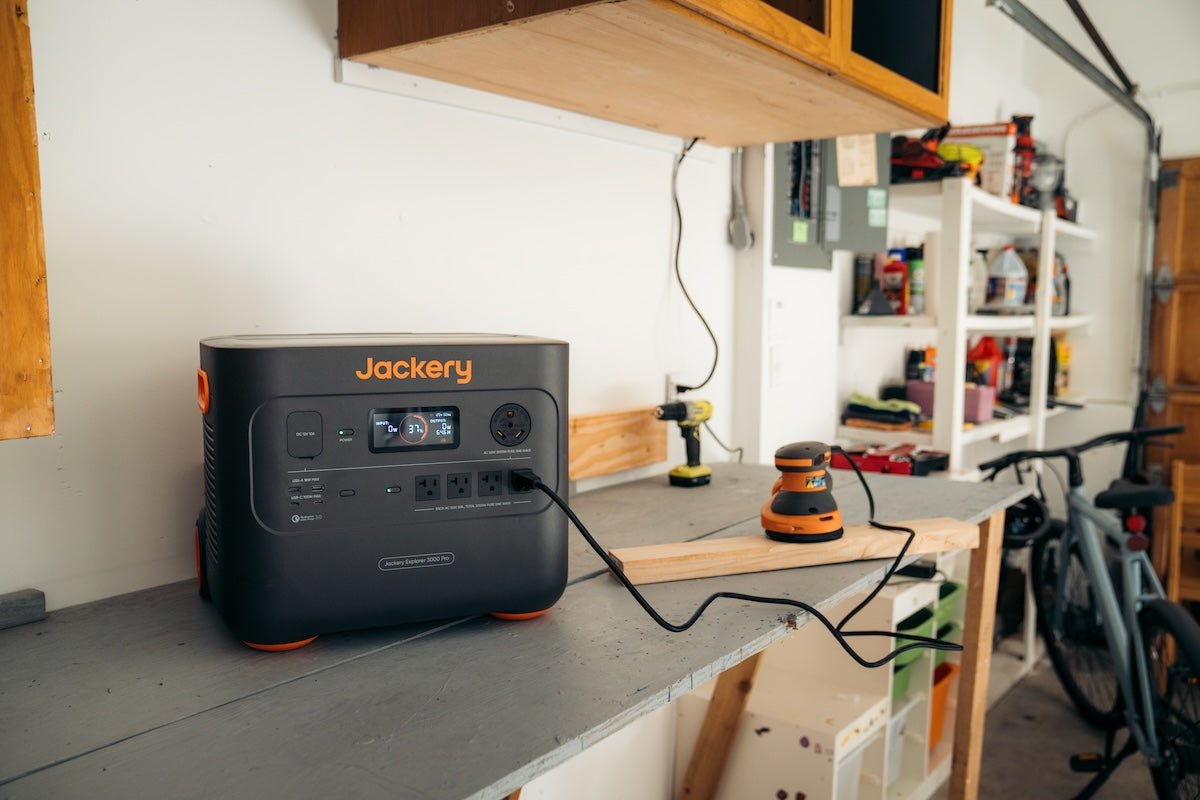
Credit: www.jackery.com
Factors That Influence Amp Usage
Several things affect how many amps a power tool uses:
- Tool Size and Motor Strength: Bigger tools with stronger motors use more amps.
- Voltage: Most US tools use 120 volts, but some heavy-duty tools use 240 volts, which can change amp requirements.
- Type of Work: Cutting hard materials or working at high speeds draws more amps.
- Age and Condition: Older tools or those with worn parts can draw extra amps.
A new circular saw running at full speed on hardwood will use more amps than the same saw cutting softwood or running slowly.
Comparing Corded Vs. Cordless Power Tools
Corded and cordless tools handle power differently. Corded tools plug into outlets and their amp rating tells you their electrical demand. Cordless tools use batteries, so their power is measured in volts and amp-hours, not amps.
Here’s a quick comparison:
| Type | Power Measurement | Typical Amps/Volts | Key Difference |
|---|---|---|---|
| Corded | Amps | 5-15 amps | Direct from outlet |
| Cordless | Volts & Ah | 12-20 volts, 2-5 Ah | Battery powered |
Corded tools generally offer more continuous power. Cordless tools are portable but may run out of charge during heavy use.

Credit: www.jackery.com
How To Find And Interpret Amp Ratings
You can find the amp rating on the tool’s label or in its manual. Look for phrases like “Rated Amps” or “Current Draw.” If you see a range, it means the tool may use less power when idle and more when working hard.
For example, a drill labeled “8 amps” means it will use up to 8 amps at maximum load. If you use multiple tools at the same time, add their amp ratings to see if you’ll overload your circuit.
Amp Ratings And Household Circuits
Most US homes have circuits rated for 15 or 20 amps. Plugging in a tool that uses 15 amps on a 15-amp circuit leaves no room for other devices. Overloading causes breakers to trip. Here’s a comparison table:
| Circuit Size | Max Tool Amps | Safe Usage |
|---|---|---|
| 15 amps | Up to 12 amps | 1 medium tool or 2 small tools |
| 20 amps | Up to 16 amps | 1 large tool or 2-3 small tools |
Always leave a buffer to avoid overload. For example, if your saw uses 15 amps, don’t plug in another heavy tool on the same circuit.
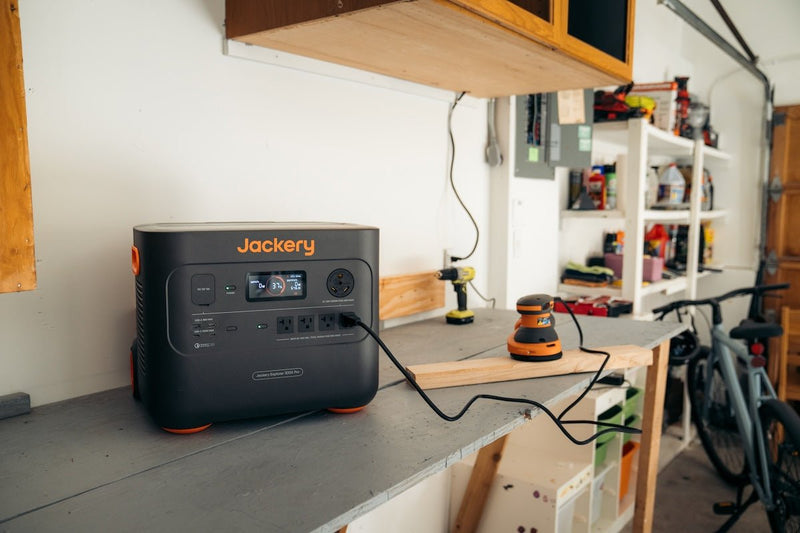
Credit: www.jackery.com
Practical Tips For Managing Power Tool Amps
- Check your circuit rating before plugging in.
- Use heavy-duty extension cords for high-amp tools.
- Don’t run multiple high-amp tools at the same time.
- If a breaker trips, reduce the load or use a different circuit.
- For big projects, consider dedicated circuits.
Many beginners forget to check amp ratings, leading to unexpected power failures. Always plan ahead, especially if you’re using several tools.
Frequently Asked Questions
How Can I Tell How Many Amps My Power Tool Uses?
Check the tool’s label or manual. It usually lists the amp rating near the motor or handle.
What Happens If I Use A Tool With Too Many Amps For My Circuit?
You risk tripping the breaker or damaging your electrical system. Always stay below the circuit’s amp limit.
Are Higher Amp Tools Always Better?
Not always. Higher amps mean more power, but also more electricity use. Choose the right amp level for your job and circuit.
Can I Use Multiple Power Tools On One Circuit?
Yes, but add their amp ratings together. Don’t exceed your circuit’s max amps.
Do Cordless Tools Have Amp Ratings?
Cordless tools use volts and amp-hours instead. Their battery specs tell you how much power they can deliver and for how long.
Understanding how many amps a typical power tool uses is key to working safely and efficiently. Whether you’re a hobbyist or professional, knowing amp ratings helps you avoid electrical issues and choose the best tool for your needs. Always check the specs, plan your circuit usage, and remember that power matters as much as convenience. For more details, see this Family Handyman guide on power tool amps.

Leave a Reply