

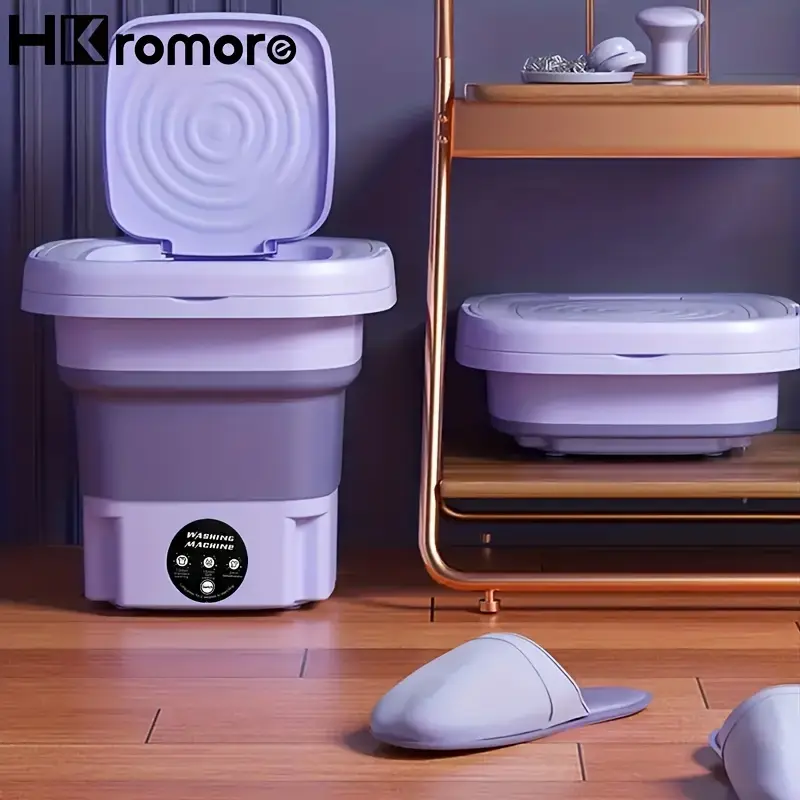
Connect hoses, level the washer, run a cleaning cycle, then wash small loads.
If you want to learn how to use portable washing machine for the first time the right way, you’re in the perfect place. I’ve set up dozens in tiny apartments, dorms, and RVs. This guide walks you through each step with clear tips, friendly advice, and real lessons learned. By the end, you’ll feel confident, safe, and ready for fresh laundry without stress.

What To Check Before You Plug In
Before you rush to wash, take five minutes to inspect your unit. This one step can save leaks and returns.
- Unbox with care. Look for dents, cracks, or a bent inlet valve.
- Find the manual, inlet hose, faucet adapter, and drain hose. Make sure nothing is missing.
- Check the power cord for nicks or kinks.
- Gently move the drum by hand. It should spin smooth, not scrape.
I always shake the washer side to side. If it rattles a lot, the transport bolts may still be installed on some models. Remove them as directed in the manual. This is the first smart move when learning how to use portable washing machine for the first time.
Setup And Placement
Good placement makes the wash quiet and safe.
- Choose a flat, sturdy surface near a sink and outlet.
- Keep 2 inches of space around the sides for airflow.
- Level the washer by turning the feet until it does not rock.
- Use a GFCI outlet. Avoid extension cords and power strips.
I keep a small towel under the faucet when I attach the inlet hose the first time. If the adapter drips, a quarter turn usually fixes it. This simple care is key when you start how to use portable washing machine for the first time.
Understand Your Portable Washer
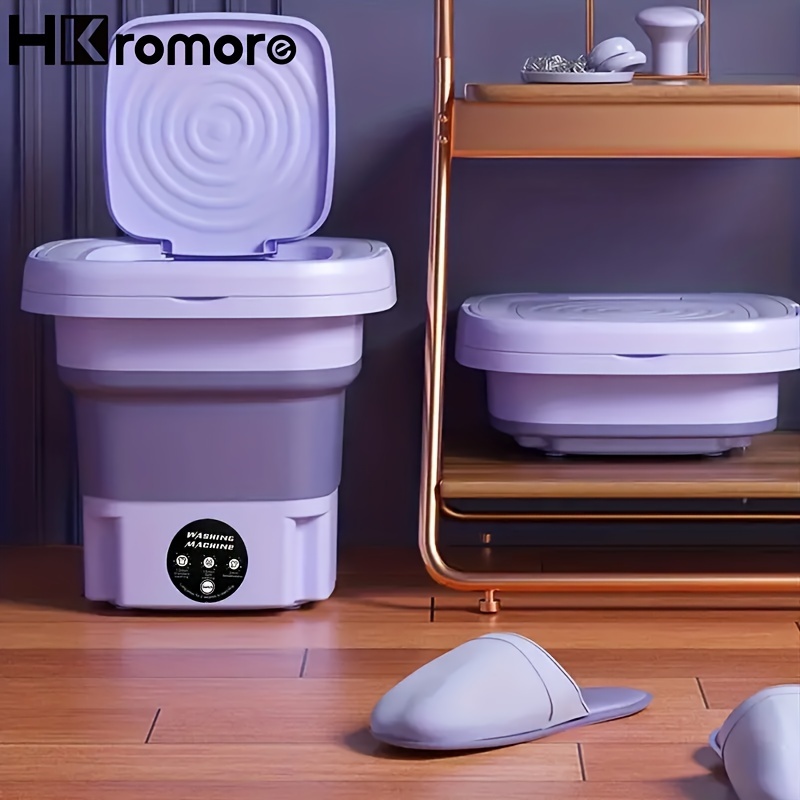
Not all portable washers work the same. Know your type so you choose the right steps.
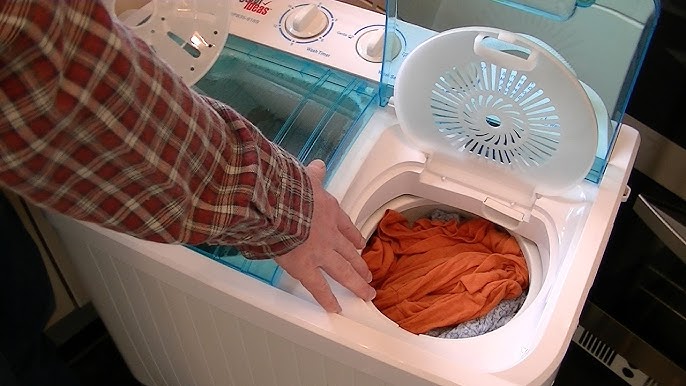
- Single-tub automatic. One drum washes and spins. You pick program, water level, and time.
- Twin-tub semi-automatic. One tub washes. The other spins. You move clothes between tubs.
- Manual or hand-crank. Great off-grid. Light loads only.
Common controls include water level, wash time, rinse count, and spin time. Many units do not heat water, so you use warm tap water for deeper cleaning. This knowledge makes how to use portable washing machine for the first time much easier.
Run A Clean Cycle First
Yes, clean it before washing clothes. Factory oils and dust can coat the drum.
- Fill the washer with warm water to medium level.
- Add one cup of white vinegar or a washer cleaner tablet.
- Run a full wash and spin with no laundry.
- Wipe the lid seal and inner tub with a soft cloth after.
If your manual gives a drum-clean program, use it. I skip bleach on the very first run to protect seals. This step sets you up for a fresh start as you learn how to use portable washing machine for the first time.
Your First Laundry Load: Step-By-Step
Follow this simple path and you will get a clean load with no drama.
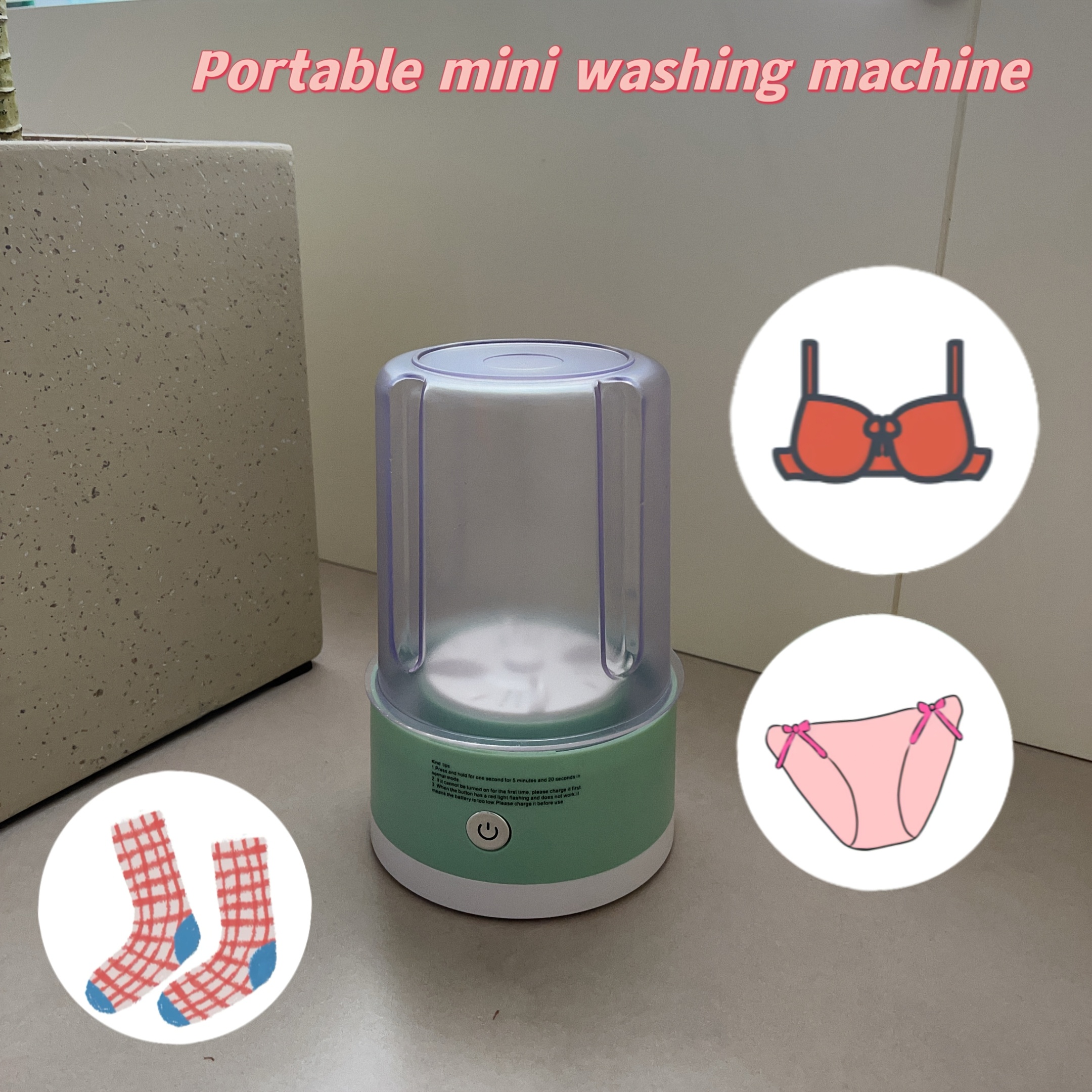
- Sort a small load. Light items only. Think tees, socks, and underwear.
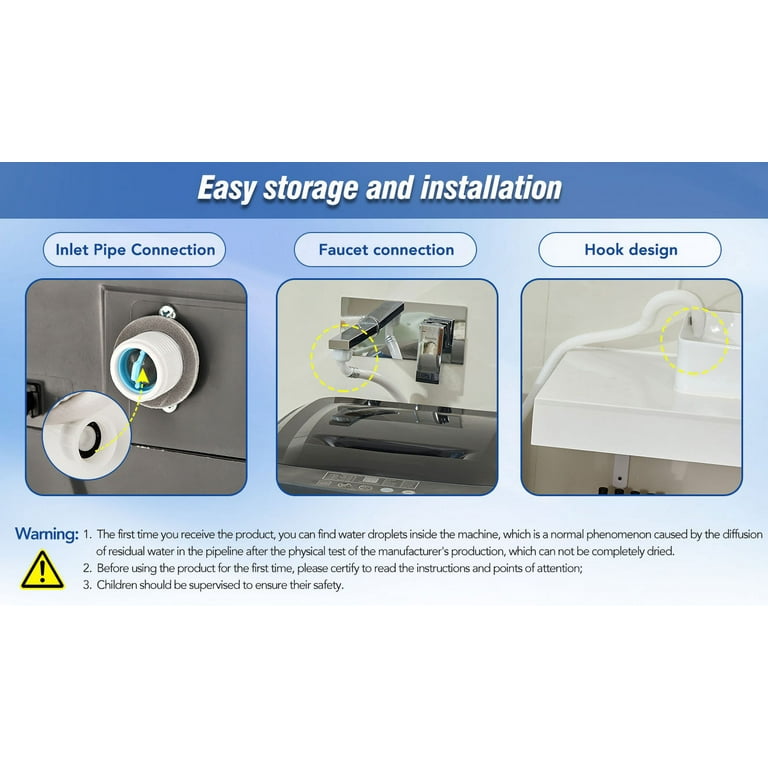
- Connect the inlet hose to the faucet. Hand-tighten. Do not over-tighten.
- Place the drain hose into the sink. Secure it so it cannot jump out.
- Add the right detergent. Use HE liquid if possible. Start with 1 to 2 teaspoons.
- Load the drum. Do not fill past two-thirds. Clothes must move freely.
- Select water level and program. Normal wash works fine for most loads.
- Start the cycle. Stay nearby to watch the first 2 minutes for any leaks.
- When done, remove items at once. Shake them out before drying.
I learned the hard way that overloading leads to soap stains. Keep it small on day one. That is the safest way to master how to use portable washing machine for the first time.
Detergent And Water Basics
Sud control makes or breaks the wash.
- Use HE detergent. It makes fewer suds and protects the pump.
- Measure small. Most portable washers need only a teaspoon or two.
- Hard water needs a touch more soap. Soft water needs less.
- Skip fabric softener at first. It can coat the drum and trap odors.
If you only have regular detergent, cut the dose by half or more. When you figure out how to use portable washing machine for the first time, a little soap goes a long way.

Drainage That Works
A stable drain keeps water where it belongs.
- Hook the drain hose to the sink edge with a clip.
- Keep the hose end higher than the water in the tub during fill.
- Do not submerge the hose end. It can cause backflow.
- Clean the lint filter often. A clogged filter slows draining.
On my first setup, the hose flipped and sprayed the counter. A cheap spring clamp fixed it for good. Small tools matter when you learn how to use portable washing machine for the first time.
Common Mistakes To Avoid
Skip these traps and your first week will be smooth.
- Overloading the drum. It causes shaking and poor rinsing.
- Using too much detergent. Suds can trigger pump errors.
- Loose hose connections. Hand-tight is enough in most cases.
- Running on an uneven floor. Vibration gets loud and can walk the unit.
- Leaving wet clothes inside. Odors start fast in small drums.
Each point above is a top cause of early frustration when people ask how to use portable washing machine for the first time.
Care And Maintenance After Each Use
A minute of care keeps your washer fresh.
- Leave the lid or door open to dry the tub.
- Wipe the gasket and edges with a soft cloth.
- Remove and rinse the lint filter.
- Disconnect hoses if you share a faucet. Drain any water left in the lines.
Do a deeper clean once a month with a washer cleaner. This habit supports you long after you figure out how to use portable washing machine for the first time.
Quick Troubleshooting For Day One
Small issue? Try these fast fixes.
- Washer shakes. Re-level the feet. Reduce the load and balance heavy items.
- Won’t fill. Check faucet is on, hose is straight, and filter screens are clear.
- Won’t drain. Clean the lint filter. Lower the drain hose into the sink.
- Leaking at faucet. Re-seat the adapter gasket and hand-tighten.
- Too many suds. Pause, let sit 10 minutes, then run extra rinse.
These are the most common calls I get from new users learning how to use portable washing machine for the first time.
Safety And Compliance
Protect your home and gear.
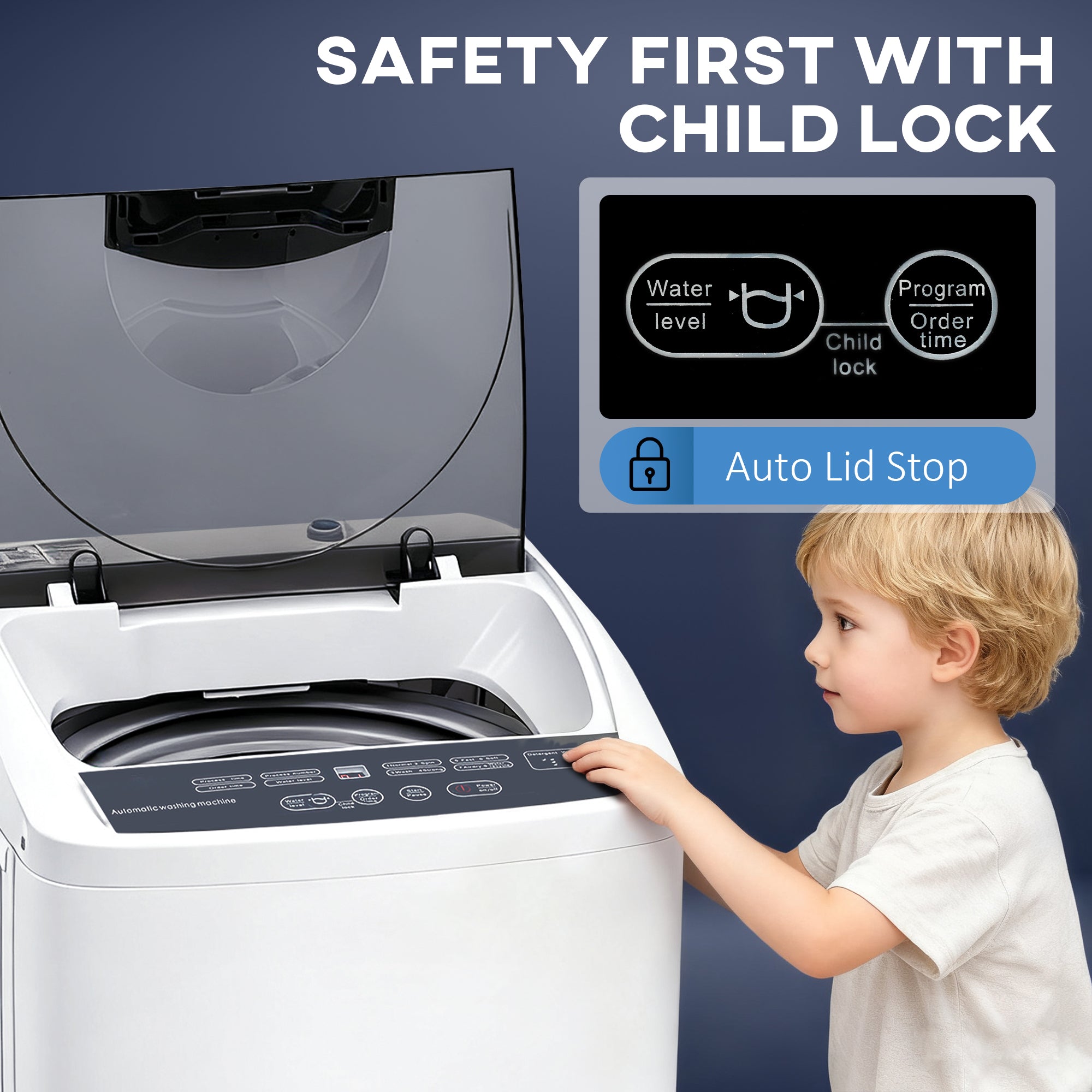
- Plug into a GFCI outlet. Avoid extension cords.
- Never leave the washer running when you are away.
- Keep children and pets clear during spin.
- Do not block the drain hose or kink the inlet hose.
- Check local rules if you rent. Some buildings have limits.
A safe setup is part of how to use portable washing machine for the first time with confidence.
Smart Accessories To Make Life Easier
These small add-ons can change your routine.
- Rolling dolly. Move and store the washer without lifting.
- Quick-connect faucet adapter. Attach the hose in seconds.
- Anti-vibration pads. Cut noise on wood floors.
- Mesh laundry bags. Protect small items in high-speed spins.
- Surge protector with GFCI. Extra safety for older outlets.
I keep a small tool pouch with pliers, Teflon tape, and spare gaskets. It has saved more than one late-night rinse. Gear like this supports how to use portable washing machine for the first time and beyond.
Frequently Asked Questions of How To Use Portable Washing Machine For The First Time
Do I need a special detergent for a portable washer?
Use HE liquid detergent for low suds and clean rinses. Start with 1 to 2 teaspoons per small load.
Can I connect the washer to any faucet?
Most kitchen and bathroom faucets work with a quick-connect adapter. Check thread size and keep a spare gasket on hand.
How much can I load the drum?
Fill to about two-thirds so clothes can move. Heavy items like towels should be split into smaller loads.
What water temperature should I use first?
Use warm for the first clean cycle, then cool or warm for clothes. Many portable washers do not heat water.
What if my washer vibrates a lot?
Level the feet and rebalance the load. Remove a few items and place heavier pieces on opposite sides of the drum.
How long does a typical cycle take?
Most normal cycles run 15 to 45 minutes depending on model and settings. Twin-tub units are faster but need manual transfer.
Can I leave hoses attached all the time?
You can if the faucet does not leak and hoses are secure. Many users disconnect after each use to free the sink and reduce wear.
Conclusion
Getting started is simple when you take it step by step. Place the unit well, connect hoses right, run a clean cycle, and keep loads small. These habits protect your washer and give you fresh, clean results every time. Put this guide to work today, and share your best tip or question in the comments. Want more smart home how-tos? Subscribe and get the next guide in your inbox.

Leave a Reply