

Lower peaks with load shifting, smart controls, storage, and better rate choices.
If your electricity bill feels too high for the energy you use, demand charges are likely the reason. This guide explains How To Reduce Demand Charges In Electricity Bill with practical steps, clear math, and field-tested tactics. You will learn how demand is measured, what drives spikes, and how to flatten them using operations, controls, and smart technology. By the end, you will know How To Reduce Demand Charges In Electricity Bill in a way that sticks, month after month.
Source: paradisesolarenergy.com
What Demand Charges Are And How They Work
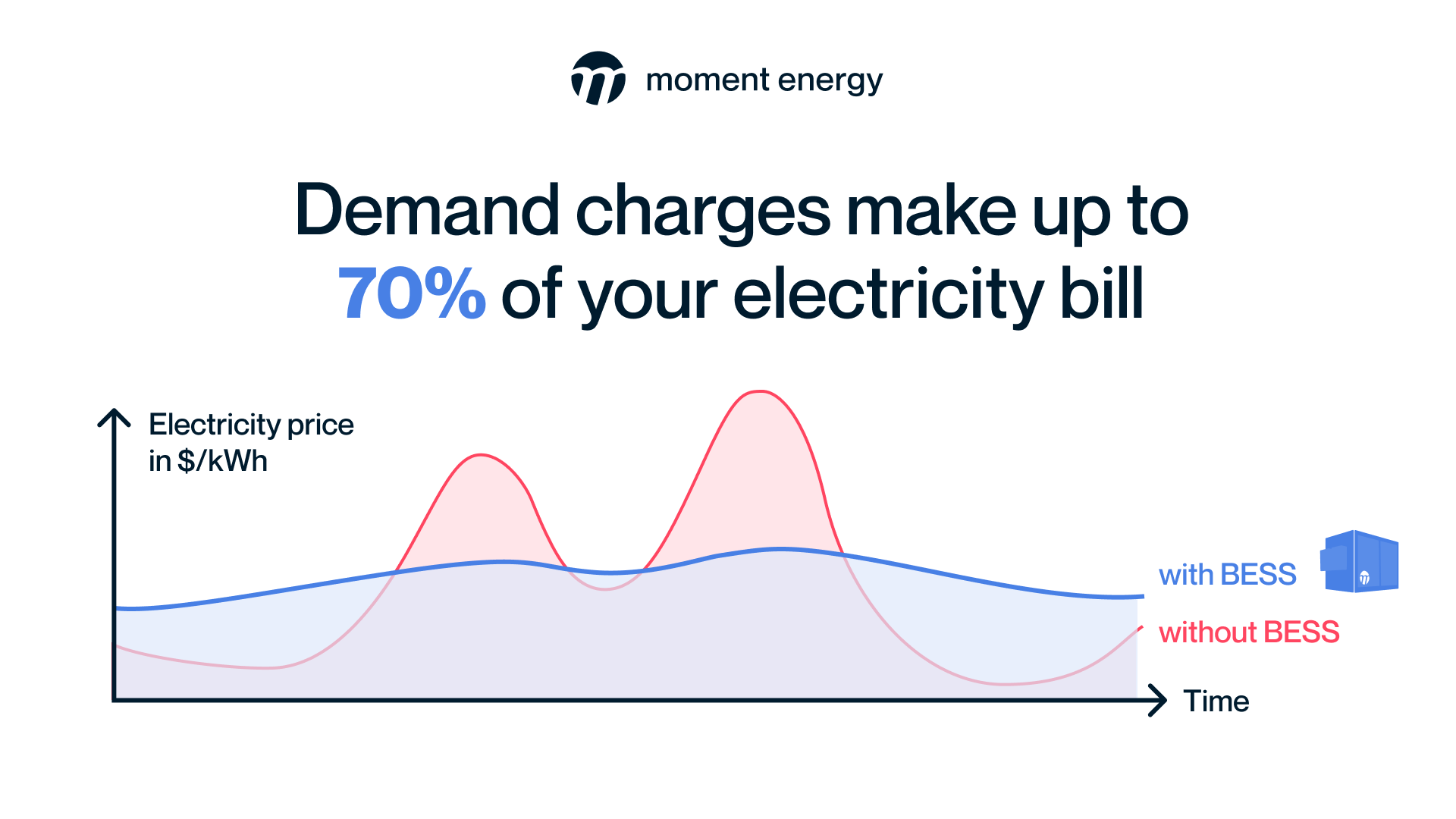
Demand charges are fees based on your highest power draw during a short window. Utilities usually measure your maximum average kW in a 15‑minute or 30‑minute interval each billing cycle. That single peak can set a big part of your bill.
Key points to know:
- Energy (kWh) is how much you use over time. Demand (kW) is how fast you use it at once.
- One short spike can cost more than several hours of steady use.
- Many tariffs include non‑coincident demand, coincident or on‑peak demand, and in some cases seasonal ratchets that carry last year’s peak forward.
- In many regions, demand can be 20–60% of a commercial bill, based on industry data from utilities and energy studies.
A simple example:
- You run at 80 kW most of the day.
- For 15 minutes, three large loads overlap, and you hit 180 kW.
- If the demand rate is 15 dollars per kW, that spike alone can add 1,500 to 2,700 dollars or more, depending on ratchets and on‑peak rules.
This is why learning How To Reduce Demand Charges In Electricity Bill pays off fast. The target is not only to save kWh, but to smooth kW.

Source: quadplus.com
Quick Wins To Lower Peak Demand This Month
Start with low‑cost moves before you buy hardware. These steps often cut peaks by 5–15% in weeks.
- Stagger equipment starts. Do not start chillers, air compressors, ovens, or pumps at the top of the hour together. Offset by 5–10 minutes.
- Cap elevator and HVAC overlap. Use simple timers so large fans and compressors do not ramp together.
- Pre‑cool or pre‑heat. Shift HVAC load to before the on‑peak window when rates are lower and demand is not counted as much.
- Set soft start or ramp rates. Many drives allow slower ramps so inrush does not stack.
- Move non‑urgent loads. Run dishwashers, EV charging, ice makers, or battery chargers off‑peak when you can.
- Coach your team. A two‑minute chat with facilities or production staff can prevent avoidable overlaps.
I have used these steps at a 60,000‑square‑foot office. By staggering chillers and pre‑cooling by 45 minutes, we trimmed peak demand 11% without new gear. Small moves add up and show How To Reduce Demand Charges In Electricity Bill with near‑zero spend.
Source: momentenergy.com
Engineering Strategies For Sustained Demand Reduction
After quick wins, lock in deeper cuts with design and controls. This is where How To Reduce Demand Charges In Electricity Bill becomes reliable and repeatable.
- Variable frequency drives. Add VFDs to fans and pumps. Even small speed cuts lower kW, and soft ramps avoid spikes.
- Right‑size compressors and chillers. Use sequencing so only as many stages as needed come on. Keep a trim unit for fine control.
- Thermal storage. Make ice or chilled water at night. Melt or discharge during peaks. This shifts kW without hurting comfort.
- Battery energy storage systems. Use a small battery to shave the top 15–60 minutes of a peak. Size to your typical spike, not to your whole load.
- On‑site generation. Solar plus storage can shave peaks when the sun aligns with demand. A small generator can also clip short spikes, subject to rules.
- Demand response. Enroll to reduce load on grid event days. The incentives help fund your controls and storage.
- Power factor correction. If billed on kVA or penalized for low PF, capacitors or active filters can reduce apparent demand and avoid fines.
- EV load management. Set max site kW for chargers. Use queues, dynamic current limits, and off‑peak targets.
- Refrigeration and process controls. Add defrost and cycle controls so large heaters or compressors avoid stacking.
Be clear about limits. Batteries have cycle life. Generators face run‑hour and emissions rules. Solar output varies with clouds. A blend of load control and modest storage is often the best value for How To Reduce Demand Charges In Electricity Bill.
Source: navigatepower.com
Controls, Data, And Forecasting
You cannot cut what you cannot see. Use interval data and simple rules to act before peaks form.
- Get interval data. Use your utility portal, a smart meter, or sub‑meters on big loads to see 1–15‑minute profiles.
- Set a demand limit. Pick a monthly kW cap, then shed low‑priority loads when forecasts say you will cross it.
- Use a priority stack. Keep critical loads on. Delay EVs, ice makers, or secondary pumps first.
- Add forecasts. Simple models using weather, schedules, and day‑of‑week can predict peaks a few hours ahead.
- Automate. A building management system can pre‑cool, stage starts, and hold a demand cap without manual work.
- Track KPIs. Watch max kW, number of limit hits, shed minutes, and comfort or quality flags.
In my work with a light‑manufacturing site, a 30‑minute rolling forecast tied to a “traffic light” dashboard let the floor lead delay one non‑critical line by 12 minutes. That alone dropped the monthly peak by 22 kW. This is a proven way for How To Reduce Demand Charges In Electricity Bill while keeping output steady.

Source: alignable.com
Rate Design, Tariffs, And Policy Levers
Your tariff can help or hurt. Reading it well is part of How To Reduce Demand Charges In Electricity Bill.
- Pick the right rate. Some utilities offer a lower demand rate but higher energy price, or vice versa. Model a year of data before you switch.
- Know your demand windows. On‑peak periods can change by season. Align controls to each window.
- Watch for ratchets. A 12‑month ratchet can bill you a percent of your past peak. Plan summer peak shaving because it can set winter bills.
- Consider time‑of‑use. TOU rates can reward shifting, but be careful not to create a new on‑peak kW spike.
- Use riders and credits. Demand response, storage incentives, and power factor riders can reduce net cost.
- Check standby and backup rules. If you add generators or storage, know how standby charges apply.
When in doubt, ask your utility account rep for a shadow bill. A shadow bill compares your last 12 months on two or more rates. It is one of the fastest checks for How To Reduce Demand Charges In Electricity Bill with no risk.

Source: merrimaclight.com
Real‑World Examples And ROI Math
A quick math check shows why peaks matter.
- Site A average load is 120 kW.
- One 15‑minute overlap of chillers, compressors, and EVs pushes to 210 kW.
- Demand rate is 18 dollars per kW. Extra peak adds about 1,620 dollars that month.
- A small 75 kW battery that discharges for 20 minutes can clip that spike. If leased for 800 dollars per month, you net about 820 dollars before other savings.
Case example from my work:
- A plastics plant set a 250 kW cap, added two VFDs, and a 50 kW battery. We staged two extruders and pre‑cooled before on‑peak.
- Peak fell from 312 kW to 252 kW. Demand charges dropped about 1,080 dollars per month. The simple payback on controls was under nine months.
- Lesson learned: the battery was smaller than first planned, but controls did most of the work. Right‑size storage to the spike, not the whole load.
Office example:
- A downtown office used pre‑cooling, start‑time offsets, and a demand alarm at 1:30 p.m.
- Peak cut 14% the first summer. Comfort held. This is a simple path for How To Reduce Demand Charges In Electricity Bill without capital strain.
These results line up with research that shows 10–30% of commercial bills can be demand charges and that control plus modest storage gives strong ROI.

Source: quadplus.com
Step‑By‑Step Plan To Start Today
Use this short plan to make How To Reduce Demand Charges In Electricity Bill both simple and durable.
- Baseline
- Download 12 months of interval data.
- Note your top three peak days and the loads that overlapped.
- Set targets
- Pick a monthly kW limit that is 10–15% below last year’s peak.
- Define which loads can shift or pause.
- Implement controls
- Stagger starts on HVAC, compressors, and processes.
- Add pre‑cool or thermal storage schedules.
- Put a real‑time kW widget on a screen for staff.
- Test and tune
- Run a two‑week pilot.
- If peaks persist, raise shed depth or add a small battery.
- Lock in value
- Enroll in demand response if your process allows it.
- Review tariffs yearly.
- Train new staff on peak rules and demand alarms.
Keep notes on what worked and what did not. A simple log improves results and supports budget asks for VFDs, storage, or controls. This is the practical core of How To Reduce Demand Charges In Electricity Bill for any site size.
Source: bigsunsolar.com
Frequently Asked Questions of How To Reduce Demand Charges In Electricity Bill
What are demand charges on my bill?
Demand charges are fees based on your highest short‑term power draw, measured in kW. Utilities use the top 15‑ or 30‑minute interval to set this fee each month.
How do I know which loads cause my peak?
Check 15‑minute interval data and match spikes to equipment run times. Sub‑meters on big loads like chillers, compressors, and EV chargers make this simple.
Will solar alone reduce my demand charges?
It depends on when your peaks occur. Solar helps if your peak is in sunny hours; pairing with storage or controls is more reliable.
Is battery storage always worth it?
Not always. Many sites get most savings from controls and sequencing; a small battery then trims the top of rare spikes at lower cost.
What is a ratchet clause?
A ratchet bills part of your charge based on a past peak, often up to 12 months. Avoid a big summer spike because it can raise bills all year.
Do power factor corrections lower demand charges?
If your tariff bills kVA or penalizes low power factor, yes. If billed on kW only, PF fixes avoid penalties and lower losses but may not change kW demand.
How fast can I see savings?
With quick wins like staggering starts, you can see results in the next billing cycle. Deeper projects show full impact within one to three months.
Conclusion
Demand charges reward smooth, steady use and punish short, sharp spikes. You can cut those spikes with better schedules, smart controls, small storage, and the right tariff. Start with data, set a kW cap, and act before peaks form.
Take the next step today. Pick one quick win, set a demand alert, and share this plan with your team. If you found this useful, subscribe for more guides, or leave a comment with your toughest demand challenge so we can help.

Leave a Reply