


Have you ever wondered if your solar panels still work when the sky is gray and cloudy? You might worry that all those clouds block the sunlight and stop your panels from producing energy.
The truth might surprise you. Understanding how solar panels perform on cloudy days can help you make smart choices for your home and your energy bills. Keep reading to discover what really happens when the sun hides behind the clouds—and how your solar panels keep working for you, rain or shine.
How Solar Panels Generate Power
Solar panels change sunlight into electricity. They use a special material called silicon. Silicon helps catch sunlight and turn it into energy.
The process starts when sunlight hits the solar panel. Light has tiny particles called photons. These photons hit the silicon and move electrons. Moving electrons create electric current. This current flows through wires and powers your home or devices.
Photons And Silicon
Photons are pieces of sunlight. They carry energy. When photons hit silicon, they give energy to electrons. This energy makes electrons move. The moving electrons create electricity.
Electric Current Creation
Electric current is the flow of electrons. Solar panels have a special layer to guide electrons. This layer pushes electrons in one direction. The flow creates direct current (DC) electricity.
Conversion To Usable Power
Homes use alternating current (AC) power. Solar panels produce direct current (DC). An inverter changes DC into AC. This AC power runs your lights and appliances.

Credit: gvecsolarservice.com
Impact Of Cloud Cover On Solar Energy
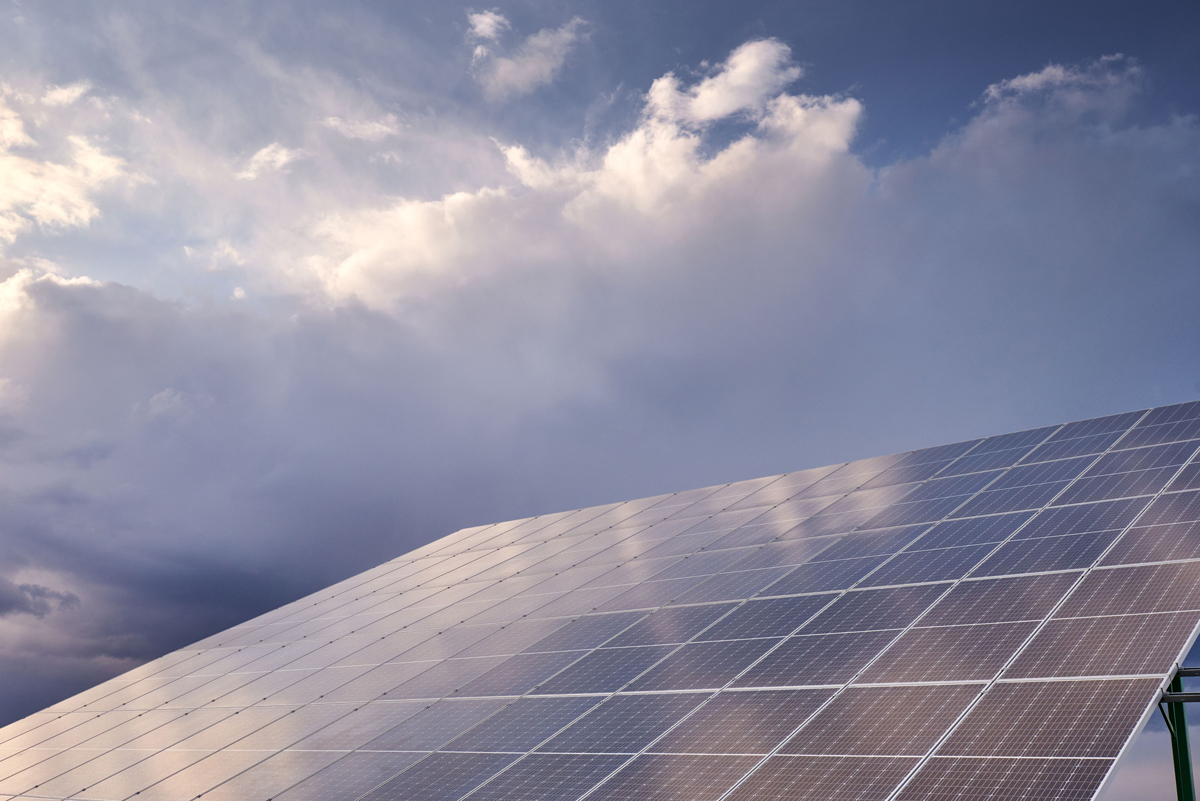
Cloud cover changes how solar panels collect sunlight. Clouds block some sunlight but do not stop it completely. Solar panels still make energy even on cloudy days. The amount of energy changes depending on the cloud thickness and type.
Understanding cloud cover’s impact helps plan solar energy use. It shows how much energy to expect and when to save power. This knowledge makes solar panels a reliable choice in many places.
Light Diffusion And Energy Production
Clouds scatter sunlight in all directions. This process is called light diffusion. Diffused light reaches solar panels from many angles. Solar panels can absorb diffused light but less than direct sunlight.
Diffused light lowers the energy solar panels produce. Thick clouds cause more diffusion and less energy output. Thin clouds allow more sunlight to pass through. Solar panels still work but at reduced power.
Comparing Sunny And Cloudy Day Output
Sunny days give the most energy to solar panels. Direct sunlight hits the panels strongly and steadily. Cloudy days reduce energy but do not stop production.
On a cloudy day, solar panels produce about 10% to 25% less. The exact amount depends on cloud cover and panel type. Energy output is lower but still useful for many needs.
Solar panels provide power even without full sun. This makes them practical for places with frequent clouds. Planning for cloudy days helps maintain steady energy use.
Types Of Solar Panels And Cloud Performance
Solar panels do not all perform the same under cloudy skies. Different types handle low light in unique ways. Knowing these differences helps choose the right solar panel for your needs.
Some panels keep working well even with less sunlight. Others lose more power when clouds block the sun. Let’s explore the main types and their cloud performance.
Monocrystalline Vs Polycrystalline
Monocrystalline panels have cells made from one pure silicon crystal. They are more efficient and work better in low light. These panels lose less power on cloudy days.
Polycrystalline panels use many small silicon crystals. They cost less but have lower efficiency. They produce less electricity than monocrystalline on cloudy days.
Both types work in clouds but monocrystalline is the stronger choice. It keeps more energy flowing during overcast weather.
Thin-film Panels In Low Light
Thin-film solar panels are lighter and flexible. They use different materials than silicon panels. These panels perform well in low light and shade.
They lose less energy on cloudy days but have lower overall efficiency. Thin-film panels can still generate power when sunlight is weak.
This makes thin-film a good option for areas with frequent clouds. They keep producing energy even in less sunny conditions.
Technological Advances Improving Cloudy Day Efficiency
Solar panels now work better on cloudy days due to many new technologies. These advances help capture more sunlight, even when the sky is grey. The improvements allow solar panels to produce energy more consistently.
Sunlight is weaker on cloudy days but still reaches the panels. New solar cells and designs help use this weaker light. This means solar panels do not stop working just because of clouds.
Improved Photovoltaic Cell Materials
New materials in solar cells absorb more light. These materials capture sunlight better than older types. They can use indirect and diffused light from clouds. This increases energy production on cloudy days.
Advanced Panel Designs
Solar panels now have special coatings and textures. These designs reduce light reflection. More light enters the panel instead of bouncing off. Panels with these features work better in low light.
Smart Solar Tracking Systems
Tracking systems move panels to catch more sunlight. They adjust the panel angle throughout the day. These systems also help during cloudy weather. Panels can face brighter parts of the sky for more energy.
Energy Storage And Management
New batteries store energy for use during cloudy times. Smart systems manage how energy is used and saved. This helps keep power steady even when sunlight drops. It makes solar power more reliable day and night.
Factors Affecting Solar Panel Efficiency In Clouds
Solar panels still generate electricity on cloudy days, but their efficiency drops. Several factors influence how well solar panels work under cloud cover. Understanding these factors helps in planning and improving solar energy use.
Panel Angle And Placement
The angle of solar panels affects how much sunlight they catch. Panels tilted toward the sun collect more light, even on cloudy days. Proper placement avoids shadows from trees or buildings. Shadows reduce the power output significantly. Panels placed on roofs or open areas perform better. Adjusting the angle seasonally can boost efficiency.
Weather Patterns And Geographic Location
Cloud thickness and type change solar energy levels. Light clouds allow some sunlight through. Thick clouds block more light and reduce power. Locations with frequent cloudy weather get less solar power. Areas near the equator receive more sunlight year-round. Places with variable weather see fluctuating solar output. Knowing local weather helps set realistic expectations.
Practical Tips For Maximizing Solar Output On Cloudy Days
Solar panels still work on cloudy days but produce less energy. Small changes can help capture more sunlight even with clouds. These tips help keep solar power steady and reliable.
Optimize Panel Angle And Position
Adjust panels to face the sun directly. Tilt them to match your location’s latitude. This helps panels catch more light through clouds. Avoid shade from trees or buildings.
Keep Panels Clean
Dirt and dust reduce energy output. Clean panels regularly with water and soft cloth. Clean surfaces absorb more sunlight, even on cloudy days. Avoid harsh chemicals to protect panels.
Use Energy Storage Systems
Store energy generated on sunny days. Batteries save power for cloudy times. This keeps electricity available when panels produce less. Helps avoid blackouts and power shortages.
Monitor System Performance
Check your solar system often. Use apps or tools to track energy output. Spot problems early and fix them quickly. Ensures panels work well in all weather.
Real-world Performance: Case Studies And Data
Solar panels do not stop working on cloudy days. They produce less energy, but they still generate power. Many studies and data from real homes show how solar panels perform under different weather.
This section shares real-world examples. It shows how much energy solar panels make on cloudy days. These facts help understand solar power better.
Case Study: Solar Panels In Seattle
Seattle is known for its cloudy weather. A study measured solar panel output over a year. Panels produced about 70% of their normal power on cloudy days. This shows solar panels still work well in less sunlight.
Data From Germany’s Solar Farms
Germany has many solar farms. Data collected shows solar panels generate 50% to 80% power on cloudy days. The exact number depends on cloud thickness. Even on overcast days, solar farms keep producing energy.
Residential Solar Performance In New York
Homes in New York use solar panels year-round. A report found panels produce around 65% energy during cloudy days. This amount helps reduce electricity bills. Solar panels remain useful despite frequent clouds.
Credit: www.lgcypower.com
Credit: www.cnet.com
Frequently Asked Questions
Do Solar Panels Generate Electricity On Cloudy Days?
Yes, solar panels produce electricity on cloudy days. They absorb diffused sunlight, but output is lower than sunny days. Efficiency drops by about 10-25%, depending on cloud thickness. Panels still generate usable power, making them viable even in less sunny climates.
How Much Energy Do Solar Panels Lose When Cloudy?
Solar panels typically lose 10-25% energy on cloudy days. Thick clouds block direct sunlight, reducing power output significantly. However, panels still convert ambient light into electricity. This loss varies by cloud density and panel quality, but solar systems remain effective in overcast conditions.
Can Solar Panels Work During Rain Or Storms?
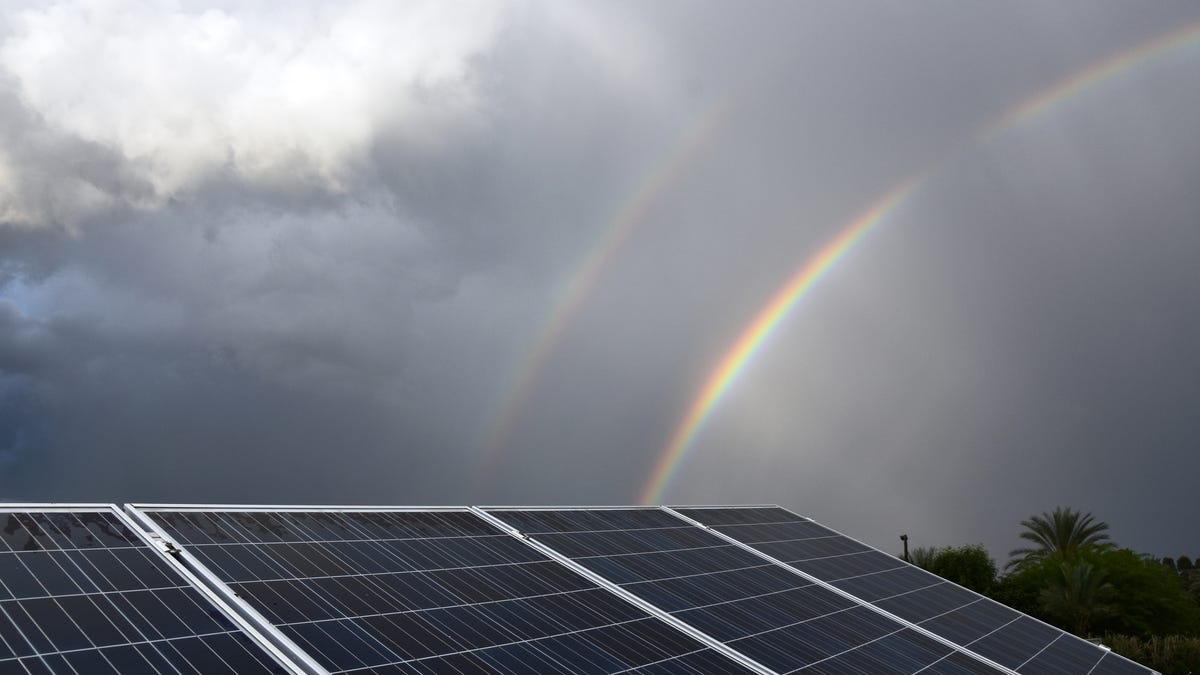
Solar panels work during rain or storms but with reduced efficiency. Rain helps clean panels, improving performance afterward. Storm clouds block sunlight, lowering energy production temporarily. Panels are designed to withstand harsh weather, ensuring continuous but diminished power generation in such conditions.
Are Solar Panels Less Efficient In Winter Or Cloudy Weather?
Solar panels are less efficient in winter and cloudy weather due to reduced sunlight. Shorter days and cloud cover limit solar radiation. However, cold temperatures can improve panel performance slightly. Overall, energy output decreases, but panels still generate power in these conditions.
Conclusion
Solar panels still make electricity on cloudy days. They use sunlight, not just direct sun rays. Though the power drops, it does not stop. This means your home can get energy even when the sky is gray. Cloudy weather does not mean no savings or no clean power.
Choosing solar helps reduce energy costs over time. It also helps the planet by using green energy. So, solar panels work well in many weather conditions. They bring steady benefits, rain or shine.

Leave a Reply