

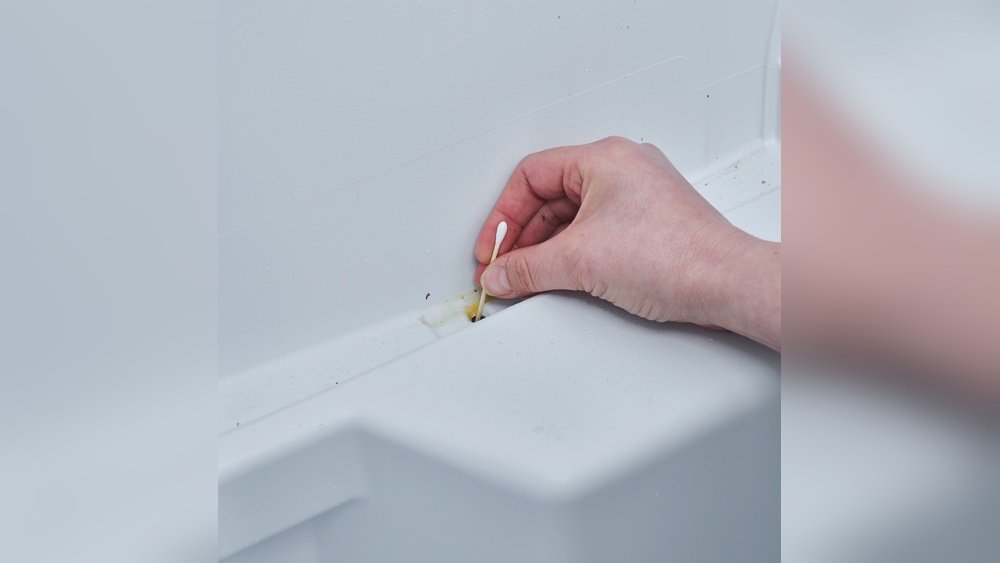
Cleaning the drain hole at the back of your fridge may seem like a small job, but it makes a big difference. Many people don’t realize that a blocked drain hole can cause leaks, bad smells, mold, or even damage to your fridge.
By taking a little time to clean this part, you can avoid expensive repairs and keep your fridge working smoothly. Let’s walk through why this matters, what tools you need, and step-by-step instructions, plus some useful tips that most beginners miss.
Why The Drain Hole Matters
The drain hole is a small opening usually found at the back wall inside your fridge. Its main job is to let condensation water run down into a tray under the fridge, where it evaporates. If this hole gets blocked, water can build up inside the fridge, causing trouble.
Here are some common problems:
- Water pooling under drawers or shelves.
- Musty odors from trapped water.
- Mold growth inside the fridge.
- Reduced cooling efficiency, raising energy bills.
A blocked drain hole is one of the top causes of unexplained water leaks in kitchens. According to appliance repair statistics, over 30% of fridge service calls relate to drainage issues.
How Often Should You Clean The Drain Hole?
Most experts recommend checking and cleaning the drain hole every 6 to 12 months. If you notice water inside your fridge, or if you smell something strange, check it sooner. Older fridges and humid climates may require more frequent cleaning.
Tools And Materials You Need
Before you start, gather these items:
- Soft brush (like a toothbrush)
- Flexible cleaning rod or thin pipe cleaner
- Warm water
- Mild dish soap
- Small funnel (optional)
- Paper towels or clean cloth
- Syringe or turkey baster (for flushing)
- Rubber gloves
- Flashlight
Most beginners forget the importance of a flexible rod or pipe cleaner. This tool reaches deep into the drain hole, unlike a brush. Also, using a syringe or turkey baster helps flush out stubborn dirt.
Step-by-step Guide: Cleaning The Fridge Drain Hole
Cleaning the drain hole is simple, but doing it right prevents future problems. Here’s a practical method:
1. Turn Off And Empty The Fridge
Safety first. Unplug the fridge before cleaning. Remove food and shelves near the drain hole to get clear access.
2. Locate The Drain Hole
Most fridges have the drain hole at the back wall, near the bottom. Use a flashlight to find it. Sometimes there’s a small plastic cover—remove this gently.
3. Remove Surface Debris
Use a soft brush or paper towel to clear away visible dirt or mold around the hole. Don’t push debris inside.
4. Clean Inside The Hole
Take your pipe cleaner or flexible rod and gently insert it into the drain hole. Move it back and forth to loosen any blockages. If the rod doesn’t fit, use a thin straw.
5. Flush With Warm Soapy Water
Mix warm water with a drop of dish soap. Fill a syringe or turkey baster with the solution. Slowly squirt it into the drain hole, flushing out dirt. Repeat until water runs clear.
6. Dry And Reassemble
Wipe up any remaining moisture with paper towels. Replace any covers, shelves, and plug the fridge back in. Wait 10-15 minutes before restocking food.
7. Check The Drain Tray
Look underneath or behind your fridge for the drain tray. Clean it with warm soapy water if needed, as this tray collects water from the drain hole.
Common Mistakes Beginners Make
Cleaning the drain hole is easy to skip or do incorrectly. Here are two mistakes people often make:
- Forgetting to unplug the fridge: This is dangerous and can cause electrical shock.
- Using sharp objects: Never use metal wires or sticks—they can damage the drain hole or puncture the fridge.
Another overlooked error is not flushing the drain hole after brushing. Simply poking the hole doesn’t remove all blockages; flushing with water is essential.
Signs Your Drain Hole Needs Cleaning
Sometimes you don’t know there’s a problem until symptoms appear. Watch for these signs:
- Water pooling at the bottom of the fridge
- Sticky residue near the drain hole
- Unusual smells that don’t go away
- Visible mold or slime inside
If you see any of these, clean the drain hole right away.
Comparing Drain Hole Cleaning Methods
There are a few ways to clean fridge drain holes. Let’s compare them:
| Method | Effectiveness | Time Required | Tools Needed |
|---|---|---|---|
| Manual Brush | Medium | 10 min | Brush, paper towel |
| Flexible Rod | High | 12 min | Pipe cleaner, rod |
| Flushing | Very High | 15 min | Syringe, warm water |
Using a flexible rod and flushing gives the best results. Manual brushing is quick but may leave some dirt behind.
How Drain Hole Blockages Affect Fridge Performance
Blocked drain holes do more than cause water leaks. They affect energy use and cooling. Here’s a data comparison:
| Condition | Average Energy Use | Cooling Efficiency | Chance of Mold |
|---|---|---|---|
| Clean Drain Hole | 1.5 kWh/day | Optimal | Low |
| Blocked Drain Hole | 2.1 kWh/day | Poor | High |
A blocked drain hole can increase energy use by up to 40%, and mold risk rises sharply.
What If The Drain Hole Is Still Blocked?
Sometimes, even after cleaning, water doesn’t drain. Try these steps:
- Repeat flushing with more warm water.
- Use a longer pipe cleaner.
- Check the drain tray for blockages.
- If nothing works, call a professional technician.
Some older fridges have drain holes that are hard to reach. For these models, professional help is best.
Extra Tips For Keeping The Drain Hole Clean
- Check the drain hole every time you deep-clean the fridge.
- Use a pipe cleaner after cleaning sticky spills.
- Don’t let food or packaging touch the back wall; it can block the drain hole.
- If you live in a humid area, clean more often.
Some brands offer drain hole cleaning kits. They include special brushes, rods, and syringes. If you struggle with blockages, these kits can help.

Credit: www.youtube.com
Drain Hole Designs: What’s Different?
Fridge drain holes come in different designs. Some are wide and easy to clean, others are narrow and tricky. Here’s a quick comparison:
| Drain Hole Type | Ease of Cleaning | Common Blockages |
|---|---|---|
| Wide hole | Easy | Dust, food |
| Narrow hole | Moderate | Mold, slime |
| Hidden hole | Difficult | Sticky spills |
Wide holes are easier for beginners. If your fridge has a hidden or narrow drain hole, use thinner cleaning tools.
Professional Cleaning Vs Diy
You can clean most drain holes yourself. Professional cleaning costs between $50 and $120. DIY cleaning is almost free, except for buying a pipe cleaner or syringe (usually under $10). Unless your fridge is very old or blocked badly, DIY is safe and effective.
According to the National Appliance Repair Association, over 80% of drain hole problems can be fixed at home.

Credit: www.domex-uk.co.uk
How To Prevent Drain Hole Blockages
Prevention is better than cure. Here are practical ways to avoid blockages:
- Clean spills quickly: Sticky foods can block the hole.
- Don’t overload shelves: Heavy items can push debris toward the hole.
- Leave space at the back: Airflow prevents condensation buildup.
- Check drain tray: Empty and clean it every 6 months.
Most beginners miss the importance of airflow behind the fridge. Without space, condensation increases, making blockages more likely.
When To Call A Technician
If you face these issues, professional help is needed:
- Water keeps leaking after cleaning
- Drain hole is damaged or cracked
- Fridge smells bad even after cleaning
- Mold returns repeatedly
Technicians have specialized tools to fix hard blockages and repair drain holes.

Credit: www.expressrepairny.com
Frequently Asked Questions
What Causes The Drain Hole To Get Blocked?
Mostly, food debris, sticky spills, and mold cause blockages. If you store food near the back wall or let spills sit, they’re likely to find their way into the drain hole. In humid climates, mold grows faster, making blockages more common.
Can I Use Vinegar To Clean The Drain Hole?
Yes, vinegar is safe for cleaning. It helps remove mold and kills bacteria. Mix equal parts vinegar and warm water, then flush with a syringe. Avoid strong chemicals, as they can harm fridge parts.
Is It Safe To Use Compressed Air To Clear The Drain Hole?
Compressed air can help, but be careful. If used too strongly, it might damage the drain hole or push debris deeper. Use low pressure and aim directly into the hole. This method works best for dry blockages.
How Do I Know If My Fridge Has A Drain Hole?
Most fridges have a drain hole at the back wall, near the lowest shelf. If you don’t see it, check your fridge manual or look for a small opening with a plastic cover. Some newer models hide the drain hole under a panel.
What Should I Do If The Drain Hole Keeps Blocking?
If the drain hole blocks often, check for sticky spills or mold. Clean more frequently and use a thin brush to remove buildup. If the problem continues, it may be a design issue—call a technician or consult your fridge brand for advice. You can find more detailed guidance at Consumer Reports.
Keeping your fridge’s drain hole clean is simple but powerful. With regular checks and careful cleaning, you’ll avoid leaks, bad smells, and wasted energy. Take a few minutes every few months, and your fridge will thank you with better performance and fewer problems.

Leave a Reply