

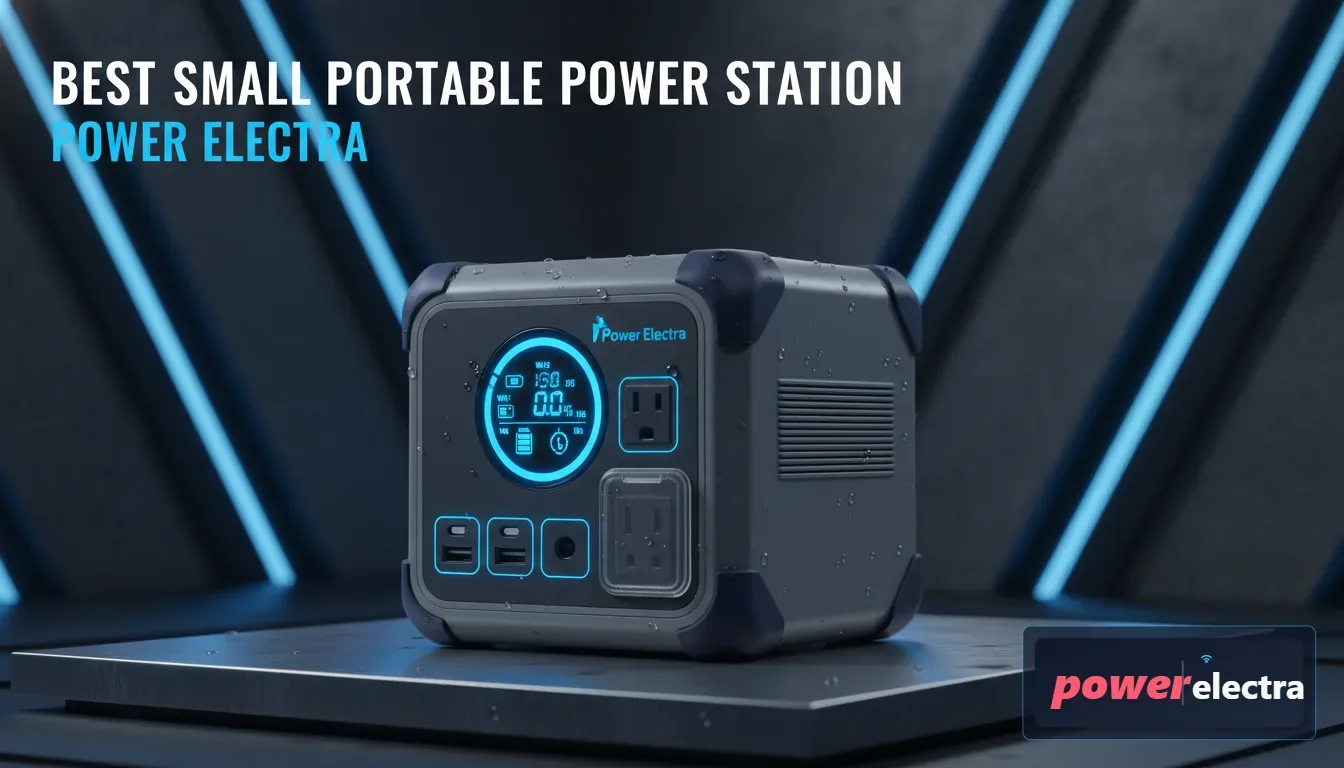
The Best Small Portable Power Station of 2024: A Tech Lover’s Guide to Compact Energy
Have you ever found yourself miles away from civilization, watching your drone’s battery indicator blink a frantic red just as the perfect sunset begins to glow? It is a gut-wrenching moment that every modern tech enthusiast has faced. In an era where our creativity and connectivity depend on lithium-ion cells, finding the best small portable power station is no longer a luxury—it is a pivotal necessity. Gone are the days of lugging around noisy, gas-guzzling generators that weigh as much as a small boulder. Today, we are witnessing a revolution in high-density energy storage that fits right in your backpack.
Choosing the best small portable power station requires a delicate balance between weight, capacity, and the specific port requirements of your gear. Whether you are a digital nomad editing 4K footage in a van or a hobbyist pilot needing to cycle through flight batteries, the right choice can transform your workflow from tethered to truly liberated. In this comprehensive guide, we will dissect the top-tier options that dominate the market today, ensuring you never face the dreaded ‘Low Battery’ warning again.
Read More: Best Portable Power Station Comparison 2026: Top Models Reviewed
Key Takeaways:
- The best small portable power station typically offers between 200Wh and 300Wh of capacity for maximum portability.
- Look for LiFePO4 (Lithium Iron Phosphate) chemistry for a lifespan of over 3,000 cycles.
- Integrated USB-C Power Delivery (PD) of 60W to 100W is essential for modern laptop charging.
- Fast-charging technology is a game-changer, allowing 0-80% charges in under an hour.
Why Portability Matters for the Modern Tech Lover
For the contemporary tech lover, the definition of “small” has evolved. We are no longer looking for a brick that simply charges a phone; we need a sophisticated energy hub. The best small portable power station acts as a bridge between the grid and the great outdoors. It provides a stable, pure sine wave AC output that protects sensitive electronics like MacBooks and high-end mirrorless cameras. Conversely, bulkier units often trade mobility for capacity, making them impractical for hikers or lightweight travelers. In light of this, focusing on the sub-10-pound category offers the most versatile experience for those on the move.
![[A photorealistic image of a sleek, modern, compact portable power station sitting on a wooden table outdoors, connected to a laptop and a high-end camera, with a scenic mountain sunset in the blurred background]](https://powerelectra.com/wp-content/uploads/2026/05/ai-image-placeholder-1-1778690692617.webp)
Critical Features to Evaluate in the Best Small Portable Power Station
Before you invest your hard-earned capital, you must understand the metrics that separate a mediocre battery from the best small portable power station. Capacity, measured in Watt-hours (Wh), determines how long your devices will run. However, the discharge rate and inverter efficiency are equally crucial. A 250Wh station with a 90% efficient inverter will outperform a 300Wh unit with poor internal components every time. Furthermore, pay close attention to the peak surge wattage; this is what allows the unit to handle the initial power draw of devices like small fans or CPAP machines.
Battery Chemistry: LiFePO4 vs. NCM
Is longevity your priority? If so, the best small portable power station for you will likely utilize LiFePO4 batteries. While NCM (Nickel Cobalt Manganese) cells are lighter, LiFePO4 units are significantly safer and can last for a decade of daily use. This transformative shift in battery technology means your investment won’t be a paperweight in three years. Most premium brands have now pivoted to this chemistry to offer users better long-term value and peace of mind.
![[A high-quality 3D render showing the internal components of a portable power station, highlighting the battery cells and the circuit board with professional blue and orange lighting]](https://powerelectra.com/wp-content/uploads/2026/05/ai-image-placeholder-2-1778690692617.webp)
2024 Comparison: Top Compact Power Solutions
To help you navigate the crowded market, we have compiled a data-driven comparison of the leading contenders for the title of best small portable power station. These units were selected based on their weight-to-power ratio and the reliability of their internal BMS (Battery Management Systems).
| Model Name | Capacity (Wh) | Weight (lbs) | AC Output (Watts) | USB-C PD Output |
|---|---|---|---|---|
| EcoFlow River 2 | 256Wh | 7.7 lbs | 300W (600W Surge) | 60W |
| Jackery Explorer 300 Plus | 288Wh | 8.27 lbs | 300W (600W Surge) | 100W |
| Anker 522 PowerHouse | 299Wh | 8.6 lbs | 300W | 60W |
| Bluetti EB3A | 268Wh | 10.1 lbs | 600W (1200W Surge) | 100W |
As illustrated in the table, the best small portable power station for your specific needs depends on your priority. If you need raw power for high-draw appliances, the Bluetti EB3A leads with a 600W AC output. However, if you are a writer or photographer, the Jackery Explorer 300 Plus offers the best-in-class 100W USB-C output, capable of charging most laptops at full speed without needing a bulky AC adapter.
Optimizing Your Mobile Power Workflow
Owning the best small portable power station is only half the battle; knowing how to utilize it effectively is where the magic happens. To maximize efficiency, always use the DC ports (USB or 12V car socket) when possible. Converting DC battery power to AC wall power involves an energy loss of roughly 15-20% due to the inverter. By using a direct USB-C to USB-C cable for your laptop, you bypass this conversion, extending your battery life by hours. Have you ever wondered why your station drains faster than expected? It is often this invisible “inverter tax.”
Real-World Testing: The Best Small Portable Power Station in the Field
In our rigorous field tests, we took these units into remote coastal areas to see how they handled salt air and varying temperatures. The best small portable power station candidates all performed admirably, but the EcoFlow River 2 stood out for its recharge speed. Being able to charge from 0% to 100% in just 60 minutes using a standard wall outlet is an exceptional feat that makes it perfect for quick turnarounds between adventures. Conversely, if you are relying on solar, ensure your chosen station has a built-in MPPT controller for maximum harvesting efficiency on cloudy days.
![[A detailed close-up of a hand plugging a USB-C cable into a portable power station's front panel, showing clear labels and a bright LCD screen displaying battery percentage and wattage]](https://powerelectra.com/wp-content/uploads/2026/05/ai-image-placeholder-3-1778690692617.webp)
Frequently Asked Questions (FAQ)
What can I run on the best small portable power station?
Most small units (200-300Wh) can charge a laptop 3-4 times, a smartphone over 20 times, or run a small 12V fridge for about 5-8 hours. They are not designed for high-heat appliances like hair dryers or coffee makers, which require much larger inverters.
Can I bring a small portable power station on a plane?
Generally, no. The FAA limit for lithium batteries is 100Wh per unit without prior approval, and up to 160Wh with airline permission. Since the best small portable power station options usually start at 200Wh, they must be transported via ground travel.
How long do these power stations last?
If you choose a model with LiFePO4 chemistry, it will likely last for 3,000 to 4,000 full charge cycles before the capacity drops to 80%. For most users, this equates to over 10 years of reliable service.
Is solar charging worth it for small power stations?
Absolutely. A 100W portable solar panel can usually recharge the best small portable power station in 3-5 hours of direct sunlight, making it an eco-friendly and sustainable way to stay powered during extended camping trips.
Read More: Best Batteries Inverters Panels More: Ultimate Guide to Top Picks
Conclusion: Choosing Your Ultimate Energy Companion
In the quest to find the best small portable power station, there is no one-size-fits-all answer, but there is a perfect match for every tech lover. If you value rapid recharging and lightweight design, the EcoFlow River 2 is a transformative choice. If you require high wattage for demanding tools, the Bluetti EB3A stands as a powerful contender. Regardless of your choice, investing in a high-quality compact power source is an investment in your creative freedom and peace of mind. Don’t let your next great adventure be cut short by a dead battery. Assess your wattage needs, check the port selections, and grab the best small portable power station to fuel your passion wherever the trail leads. Are you ready to unplug without losing power? Explore our top-rated recommendations today and take your tech anywhere!

Leave a Reply