

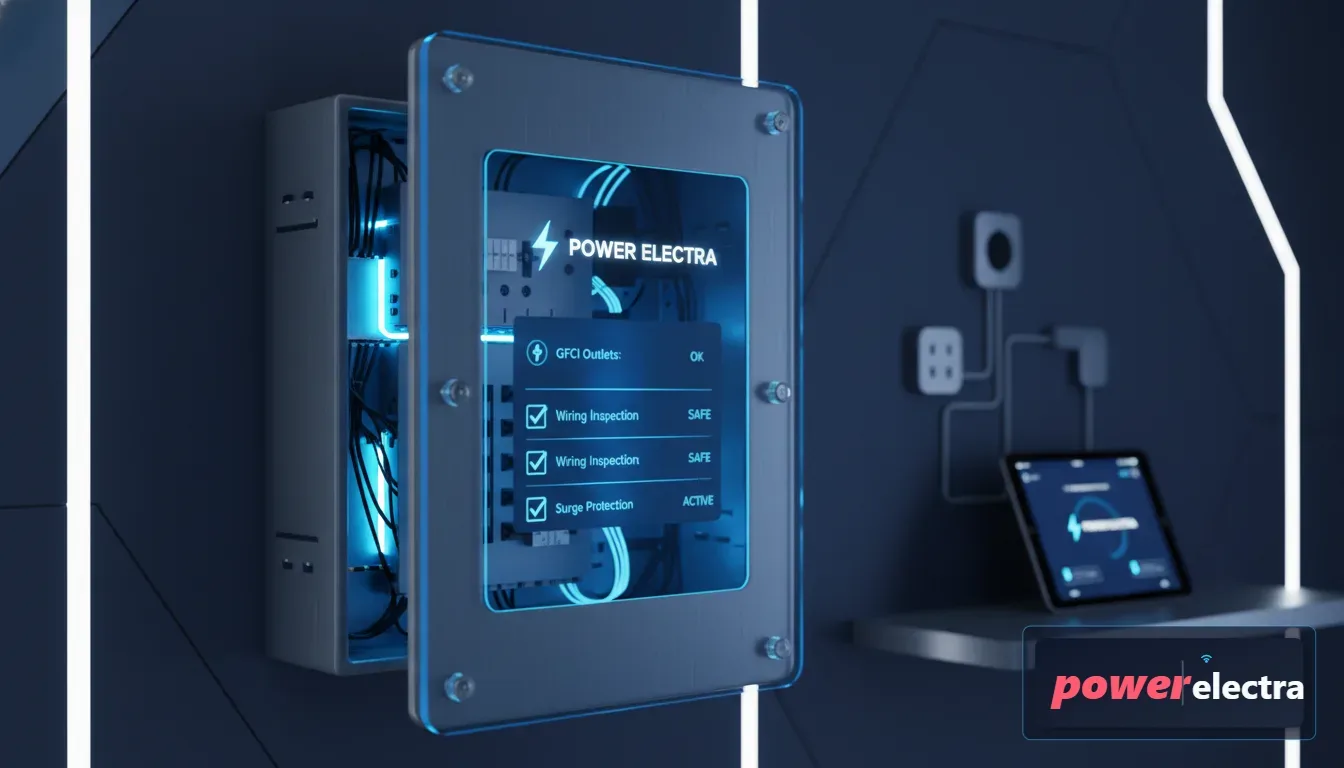
Mastering Electrical Safety at Home: The Essential Guide for a Worry-Free Household
Your home is more than just four walls and a roof; it is a sanctuary where your family creates lasting memories. However, beneath the aesthetic charm of your living room and the efficiency of your modern kitchen lies a complex web of wiring that powers your daily life. While we often take power for granted, ensuring Electrical Safety at Home is the silent guardian of your family’s peace of mind. As the heart of the household, you play a pivotal role in identifying hidden dangers before they escalate into emergencies.
Have you ever noticed a faint burning smell near a toaster or felt a slight tingle when plugging in a lamp? These are not mere quirks of an aging house; they are urgent signals. Understanding the fundamentals of Electrical Safety at Home isn’t just about preventing a blown fuse—it is about safeguarding your loved ones from the devastating risks of fire and electric shock. In this comprehensive guide, we will explore transformative strategies to audit your home’s electrical health and implement simple yet life-saving habits.
Read More: Etekcity Smart Scale For Body Weight: Accurate Tracking
Key Takeaways:
- Regularly inspect cords and outlets for signs of wear or discoloration.
- Never overload power strips; they are designed for temporary, low-power use.
- Install Ground Fault Circuit Interrupters (GFCIs) in all wet areas like kitchens and bathrooms.
- Teach children the dangers of electricity early to foster a culture of safety.
- Always hire a licensed professional for repairs rather than attempting complex DIY fixes.
Why Electrical Safety at Home Matters More Than You Think
Electricity is a powerful force that demands respect. According to fire safety statistics, thousands of residential fires each year are attributed to electrical malfunctions. Most of these incidents are preventable through proactive observation. When we prioritize Electrical Safety at Home, we are not just following rules; we are building a fortress against the unpredictable.
For a busy homemaker, the sheer volume of appliances—from air fryers to hair dryers—can be overwhelming. The constant demand on your electrical system means that components can degrade over time without being noticed. By adopting an authoritative stance on safety, you transform from a passive user into an active protector of your domestic environment.
![[A high-quality, photorealistic image of a modern, well-lit family living room where all electrical cords are neatly organized and out of sight, emphasizing a clean and safe environment.]](https://powerelectra.com/wp-content/uploads/2026/05/ai-image-placeholder-1-1778314756739.webp)
Furthermore, the evolution of smart homes introduces even more complexity. Each new gadget adds a load to your circuits. Without a foundational understanding of Electrical Safety at Home, it is easy to inadvertently create a hazardous situation. Let’s dive into how you can identify and mitigate these risks effectively.
Identifying Common Household Electrical Hazards
The first step in achieving Electrical Safety at Home is learning how to spot trouble. Hazards are often hidden in plain sight, camouflaged by our daily routines. Do you have a tangle of wires behind your TV stand? Or perhaps an extension cord running under a rug? These are classic red flags that require immediate attention.
The Kitchen: A High-Risk Zone
The kitchen is arguably the most dangerous room regarding electrical mishaps because it brings two enemies together: water and electricity. Ensuring Electrical Safety at Home in the kitchen means keeping small appliances like blenders and kettles away from the sink. More importantly, ensure that every outlet near a water source is a GFCI outlet, which shuts off power instantly if it detects a leak.
Does your toaster stay plugged in 24/7? While convenient, it’s safer to unplug high-heat appliances when they aren’t in use. This simple habit significantly reduces the risk of an accidental electrical fire while you are sleeping or away from the house.
Living Spaces and Bedrooms
In bedrooms, we often prioritize comfort over Electrical Safety at Home. We might use electric blankets or leave phone chargers plugged into extensions on our beds. This is a dangerous oversight. Never cover a charging device with a pillow or blanket, as the heat generated can cause the fabric to ignite. Always charge devices on hard, flat surfaces to allow for proper ventilation.
![[A detailed close-up shot of a Ground Fault Circuit Interrupter (GFCI) outlet in a modern kitchen, with a person safely plugging in a coffee maker, highlighting the 'Reset' and 'Test' buttons.]](https://powerelectra.com/wp-content/uploads/2026/05/ai-image-placeholder-2-1778314756739.webp)
The Essential Maintenance Checklist for Electrical Safety at Home
Maintaining a safe home requires a structured approach. Use the following table to audit your current safety status and identify areas that need an upgrade.
| Hazard Area | Warning Sign | Safe Practice / Action |
|---|---|---|
| Wall Outlets | Warm to touch or discolored | Stop using immediately; call an electrician. |
| Extension Cords | Frayed or used permanently | Replace with permanent wiring or new cords. |
| Circuit Breakers | Frequently tripping | Reduce the load on the circuit; inspect the panel. |
| Light Bulbs | Flickering or humming | Ensure correct wattage; tighten the bulb. |
| Appliances | Smell of burning plastic | Unplug and repair or discard the unit. |
Implementing this checklist monthly can be a pivotal move in your household management. If you find that your breakers trip whenever you use the microwave and the vacuum at the same time, it’s a clear sign that your home’s electrical capacity needs a professional assessment. Consistent Electrical Safety at Home relies on listening to what your house is telling you.
Childproofing and Pet Safety: Protecting the Vulnerable
If you have little ones or furry friends, your approach to Electrical Safety at Home must be even more rigorous. Children are naturally curious, and an open outlet looks like an invitation to explore. Plastic outlet covers are a simple, inexpensive, and exceptional way to prevent accidental shocks.
Pets, especially puppies and kittens, love to chew. Exposed cords can look like chew toys, leading to severe burns or worse. Consider using cord protectors or ‘critter-proof’ conduits to wrap your wires. By taking these extra steps, you ensure that your home remains a safe playground for every member of the family.
![[An illustrative infographic style image showing a child-safe home setup, including outlet covers, cord management boxes, and a clear 'danger' zone marked around a high-voltage area.]](https://powerelectra.com/wp-content/uploads/2026/05/ai-image-placeholder-3-1778314756739.webp)
Frequently Asked Questions
1. Why do my lights flicker when I turn on a large appliance?
This usually indicates that the appliance is drawing a large amount of current, causing a temporary voltage drop. While common in older homes, persistent flickering should be checked by a professional to ensure your Electrical Safety at Home isn’t compromised by faulty wiring.
2. Is it safe to use an extension cord for my space heater?
Generally, no. Space heaters draw significant power and can easily overheat an extension cord, leading to a fire. For the best Electrical Safety at Home, always plug high-wattage appliances directly into a wall outlet.
3. How often should I test my GFCI outlets?
You should test them once a month. Simply press the ‘Test’ button to ensure the ‘Reset’ button pops out, cutting the power. This quick check is a cornerstone of maintaining Electrical Safety at Home.
4. Can I change a light fixture myself?
While many homeowners do small tasks, it is always safer to consult a professional if you aren’t 100% confident. Electrical Safety at Home is never worth risking a DIY disaster.
5. What is the most common cause of electrical fires?
The most common causes are faulty outlets and old appliances. Regularly upgrading your equipment and inspecting your home’s infrastructure is key to prevention.
Conclusion: Your Path to a Safer Sanctuary
In summary, achieving Electrical Safety at Home is not a one-time event but a continuous commitment to the well-being of your family. By staying vigilant, respecting the power of your appliances, and performing regular audits, you create an environment where you can truly relax. Remember, the goal is to be proactive rather than reactive. Don’t wait for a spark to tell you there’s a problem.
Read More: TP-Link Tapo Smart Plug: Best Mini WiFi Energy Monitor
Take a walk through your home today. Check those outlets, organize those cords, and talk to your family about these life-saving tips. Your diligence is the most effective tool in preventing accidents. If you’ve discovered something concerning during your walkthrough, don’t hesitate—contact a certified electrician immediately to ensure your Electrical Safety at Home remains uncompromised. Your home deserves the best care, and your family deserves to be safe.

Leave a Reply