

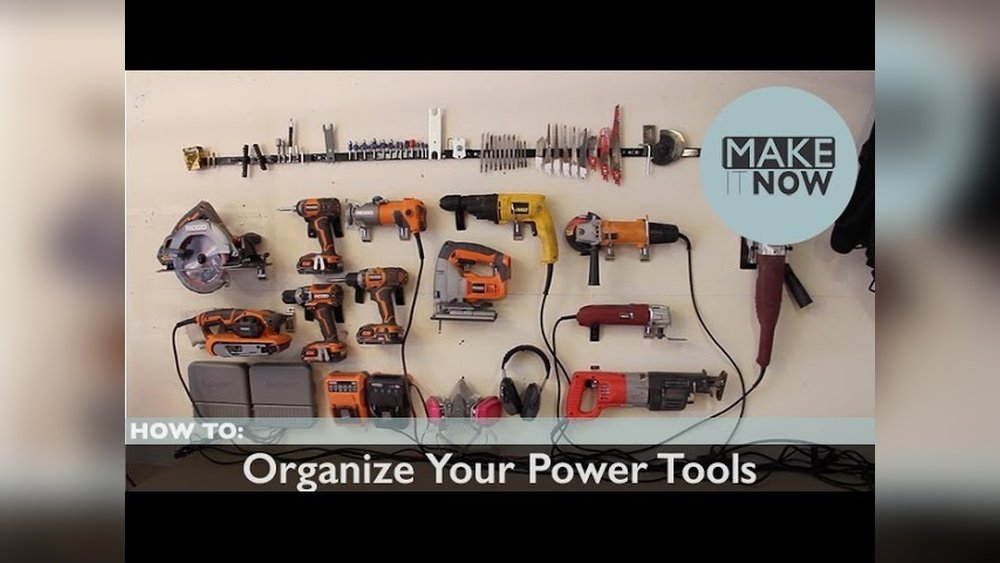
Storing power tools the right way is more important than many people realize. Good storage keeps your tools safe, makes your workspace tidy, and helps your tools last longer. If you’ve ever lost a drill bit or struggled to find a screwdriver, you know the frustration poor storage can cause.
Whether you use tools for home repairs or professional projects, learning how to store power tools will save you time and money.
Why Proper Tool Storage Matters
Power tools are not cheap. An average cordless drill costs between $60 and $150, and larger tools like table saws can be over $400. Storing tools correctly protects your investment. Moisture, dust, and careless handling can damage electronics and metal parts, leading to expensive repairs or replacements.
Proper storage also improves safety. Tools left on the floor can cause trips or injuries. Organized storage means you spend less time searching and more time working. For busy workshops, safe storage is required by workplace safety rules.
Choosing The Right Storage Space
Where you keep your power tools is the first big decision. You want a space that is dry, clean, and secure. Garages, sheds, or dedicated tool rooms work well. Avoid places with high humidity, such as basements, unless you use dehumidifiers.
Here’s a quick comparison of storage locations:
| Location | Pros | Cons |
|---|---|---|
| Garage | Easy access, usually dry | Can get dusty, temperature changes |
| Shed | Separate from living area | May have moisture issues |
| Basement | Good security | High humidity, risk of rust |
| Dedicated tool room | Ideal for organization | Needs space and planning |
If your chosen space is prone to moisture, use silica gel packs or install a small heater to protect your tools from rust.
Credit: nistools.com
Best Storage Options For Power Tools
There are several ways to store power tools. The right choice depends on your space, budget, and how often you use the tools.
Cabinets And Shelves
Closed cabinets protect tools from dust and moisture. Shelves give quick access but offer less protection. Use strong materials—metal or thick wood—to support heavy tools.
Tool Chests And Drawers
Tool chests with foam inserts keep tools organized and safe from bumps. Drawers work well for smaller power tools like drills and sanders.
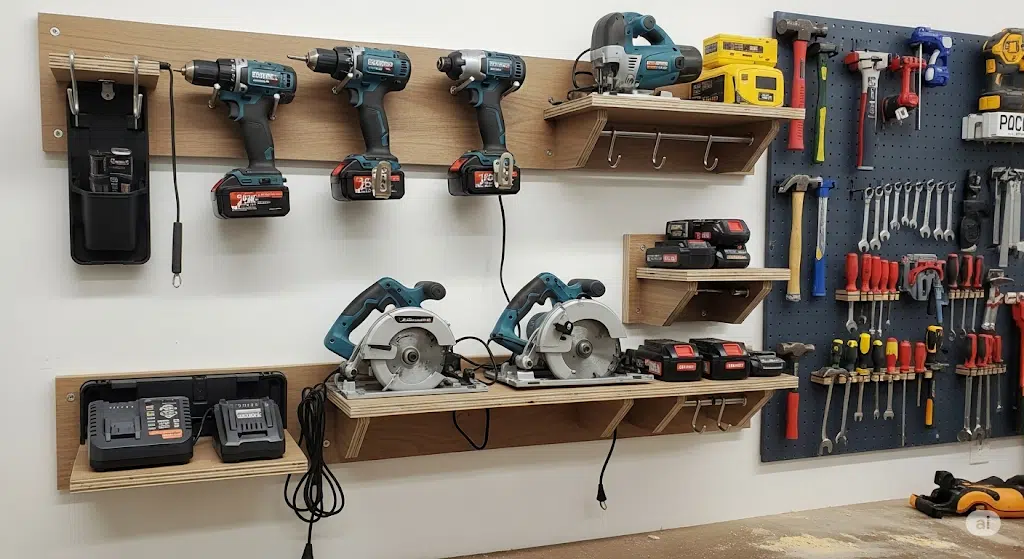
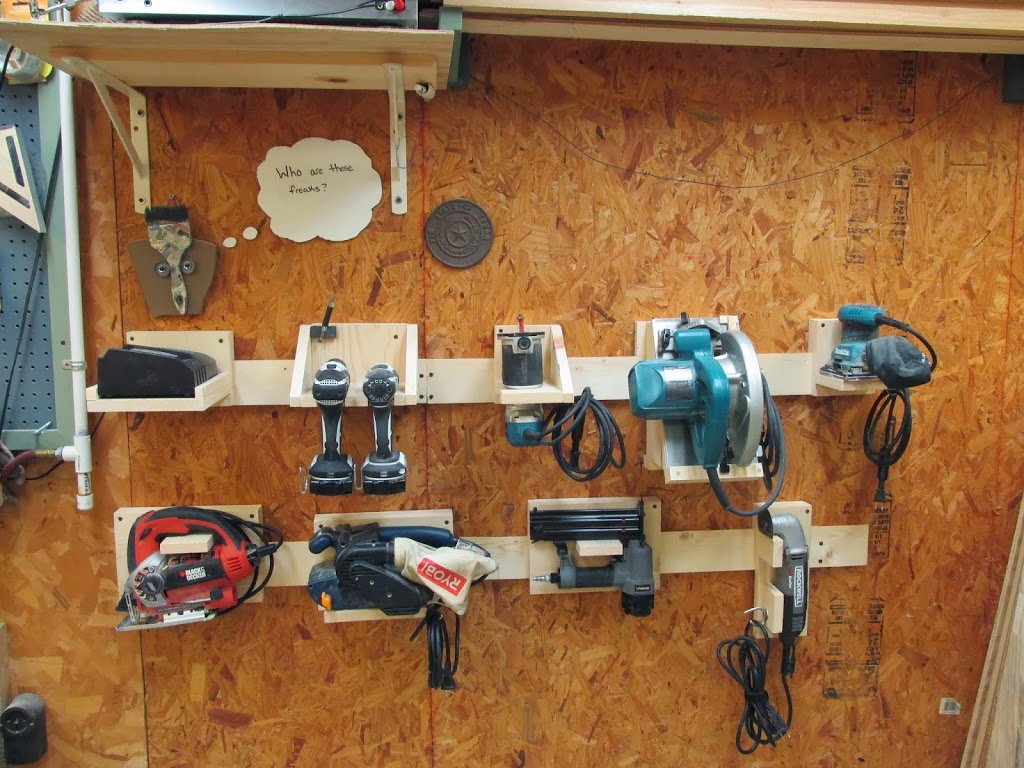
Wall-mounted Racks
Pegboards or wall racks save floor space and make it easy to see all your tools. Hooks and holders come in many shapes for different tools.
| Storage Type | Best For | Average Cost |
|---|---|---|
| Cabinets | Large tools, dust protection | $120-$300 |
| Tool chests | Small tools, mobility | $80-$250 |
| Wall racks | Easy access, visibility | $40-$120 |
Portable Cases
For people who work in different locations, portable tool cases are essential. These cases often include foam padding to protect tools during travel.
How To Prepare Tools For Storage
Simply putting tools away is not enough. Follow these steps to keep your tools in top condition:
- Clean after use: Wipe off dust, dirt, and grease. Use a soft cloth for the body and compressed air for vents.
- Check for damage: Inspect cords, batteries, and blades. Fix issues before storing.
- Remove batteries: Store batteries separately in a cool, dry place. This prevents leaks and extends battery life.
- Oil moving parts: Light oil prevents rust and keeps parts moving smoothly.
- Label tools: Use tags or markers for easy identification.
Neglecting these steps is a common mistake. For example, storing tools with dirty blades can lead to rust, and leaving batteries inside tools can cause corrosion.
Credit: wilkerdos.com
Organizing For Easy Access
Organization saves time and reduces stress. Group tools by type, such as drills, saws, or sanders. Keep accessories like bits and blades close to their main tools. Use clear bins for small parts.
A simple organization strategy:
- Place frequently used tools at eye level.
- Store heavy tools lower to avoid lifting injuries.
- Keep rarely used tools higher or further back.
Here’s an example of an organized wall rack layout:
| Rack Section | Tool Type | Placement Reason |
|---|---|---|
| Top | Light tools (drivers, small drills) | Easy reach, less weight |
| Middle | Frequently used tools | Quick access |
| Bottom | Heavy tools (saws, grinders) | Safety, easier lifting |
Protecting Tools From Damage
Humidity and temperature swings can ruin power tools. Use silica gel or desiccant packs inside tool drawers and cases. Keep temperature stable, ideally between 50°F and 80°F.
For extra protection, consider rust inhibitors. Products like WD-40 can be sprayed lightly on metal parts. If you live in an area with high moisture, a dehumidifier is a smart investment.
Common Mistakes And How To Avoid Them
Many beginners make these mistakes:
- Leaving tools out overnight, leading to rust and dust buildup.
- Storing tools in plastic bags, which trap moisture.
- Forgetting to remove batteries, causing leaks and corrosion.
- Overcrowding shelves, risking tool damage and difficult access.
Avoid these errors by following storage best practices. Regularly check your storage area for moisture and pests.
Frequently Asked Questions
How Often Should I Clean My Power Tools Before Storing?
Clean tools after every use. This prevents dust and debris from causing damage. Even if you use a tool only once a week, a quick wipe with a cloth and check for damage is enough.
Can I Store Power Tools In My Car Or Truck?
It’s not recommended. Cars and trucks can get very hot or cold, which damages batteries and electronics. Only transport tools in vehicles when needed, and avoid leaving them inside for long periods.
What’s The Best Way To Store Batteries For Power Tools?
Store batteries in a cool, dry place away from direct sunlight. Remove them from the tools and keep them in their original cases if possible. This extends battery life and prevents leaks.
How Do I Prevent Rust On My Power Tools?
Keep tools dry, store them with silica gel packs, and oil any metal parts. If you live in a humid area, use a dehumidifier in your storage space. Regular maintenance is key.
Are Plastic Storage Boxes Safe For Power Tools?
Plastic boxes can work if they are strong and have good ventilation. Avoid sealing tools in airtight plastic containers, as moisture can build up inside. Choose boxes with latches and handles for easy carrying.
Storing power tools correctly isn’t just about cleanliness—it’s about protecting your investment and making your work easier. By following these simple, proven methods, you’ll keep your tools ready for every project. For more tips on tool care, check out Family Handyman. Proper storage today means less hassle tomorrow and longer-lasting tools for years to come.

Credit: www.reddit.com

Leave a Reply