

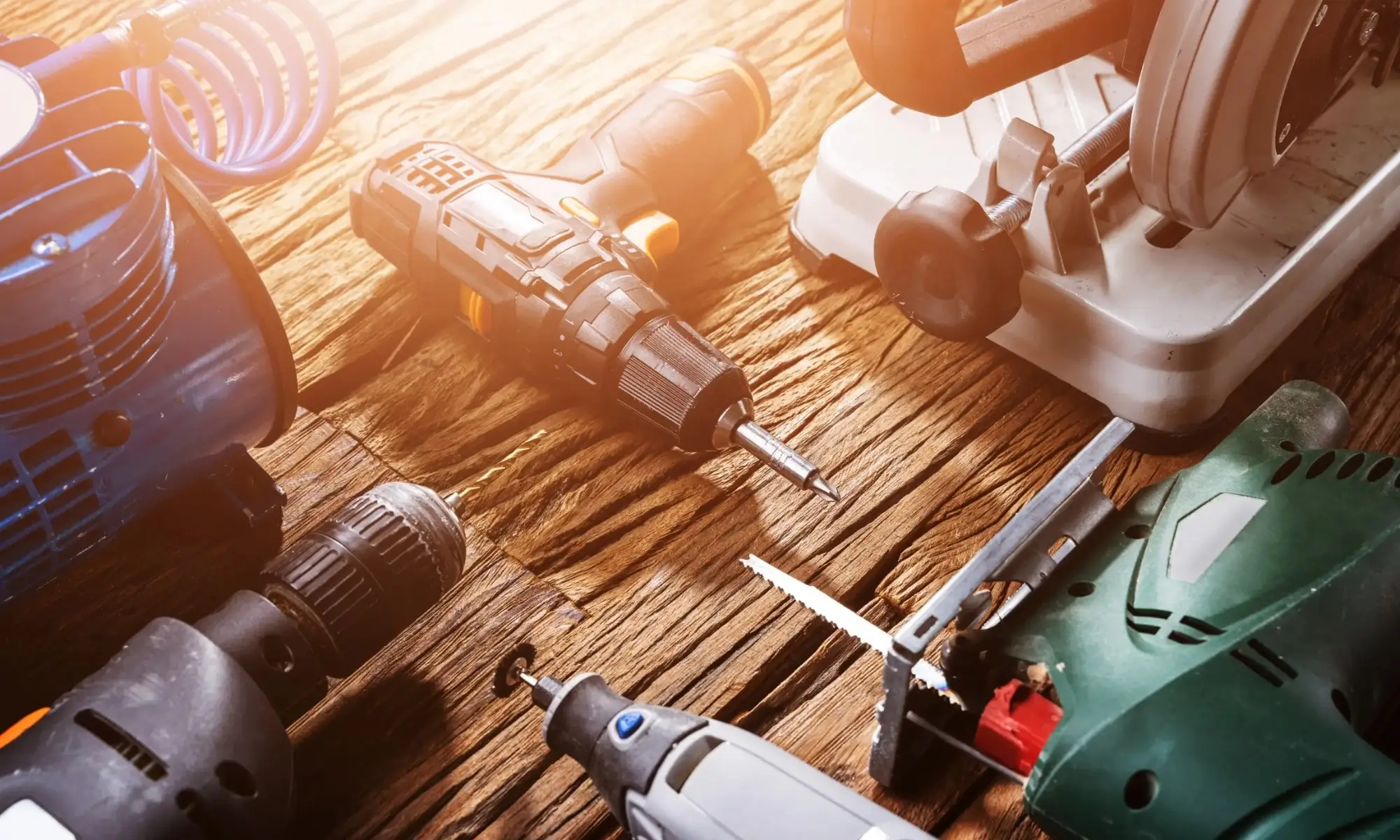
Loss of control that causes cuts and kickback injuries is the most common risk.
Power tools save time, but they bite fast. If you’ve ever felt a saw jerk back, or a grinder spit sparks your way, you know the stakes. Here, I explain What is a Common Hazard of Using Power Tools, why it happens, and how to stop it. You’ll get clear tips, real stories from the field, and steps you can use today to keep your hands, eyes, and time intact.
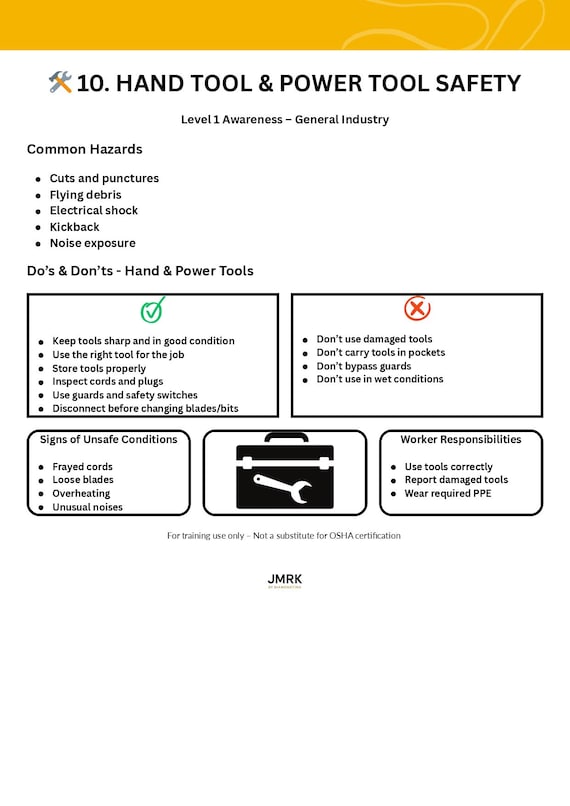
Understanding What is a Common Hazard of Using Power Tools
When people ask, What is a Common Hazard of Using Power Tools, the top answer is loss of control. It shows up as kickback, slips, or a hand pulled into a moving part. These moments turn into cuts, deep lacerations, and struck-by injuries.
Kickback is sudden. A blade or bit binds. Torque fights back. The tool shoots toward you. OSHA and injury data list contact with a cutting tool and struck-by events among the most frequent power tool injuries. From a jobsite view, this matches what we see: most ER trips follow a split second of lost control.
If you wonder, What is a Common Hazard of Using Power Tools in home shops vs. jobsites, the pattern holds. New users get hurt by poor grip and dull blades. Pros get hurt when they rush, skip guards, or work tired. The hazard is the same: control fails, and the tool wins.

Why Loss of Control Happens
Loss of control has clear causes. Know them, and you can cut risk fast.
Kickback mechanics in plain words
The blade, bit, or wheel grabs the work. Movement stops. Energy must go somewhere. The tool jumps back or up. On circular saws, this can launch the saw toward your chest. On table saws, it can fire the wood at you like a spear.
Bind, pinch, and bad support
Cuts close on the blade when wood pinches. Metal flexes on grinders. Pipes roll under drill bits. If the work is not supported close to the cut, you create a pinch point. This is a fast path to the most common hazard.
Torque reaction on drills and drivers
High-torque drills can twist your wrist if a bit jams. A side handle and a locked elbow stop this. Without them, the drill can spin your arm and drop you off a ladder. Ask any electrician. Many have a scar to prove it.
Vibration, fatigue, and poor posture
Tired hands slip. Vibration dulls your sense of touch. Cold weather makes it worse. A light stance and a straight wrist help you react fast. A bent wrist or a wide reach slows you down.
PPE and guards not in place
Glasses, face shields, guards, riving knives, and blade brakes cut harm when things go wrong. They do not replace skill. They buy you a second chance.
To many readers ask, What is a Common Hazard of Using Power Tools when cutting sheet goods? It is still kickback from binding, often due to poor support. Use sacrificial boards. Support both sides of the cut. Let the offcut fall free.

Real-world stories and lessons
A circular saw once kicked on me while ripping a wet 2×10. The kerf closed on the blade. The saw climbed. My left hand was clear, but only because I had marked a safe zone and kept a two-hand grip. The guard and my stance saved the day. Lesson learned: wet lumber pinches; wedge the kerf and support both sides.
Another time, an angle grinder wheel shattered when I twisted mid-cut. A face shield caught the fragments. My cheek still got a nick. I now pause to realign instead of muscling a turn. Small reset, big payoff.
In both cases, if you ask, What is a Common Hazard of Using Power Tools, it was loss of control during binding. The fix was simple planning and strict hand placement.
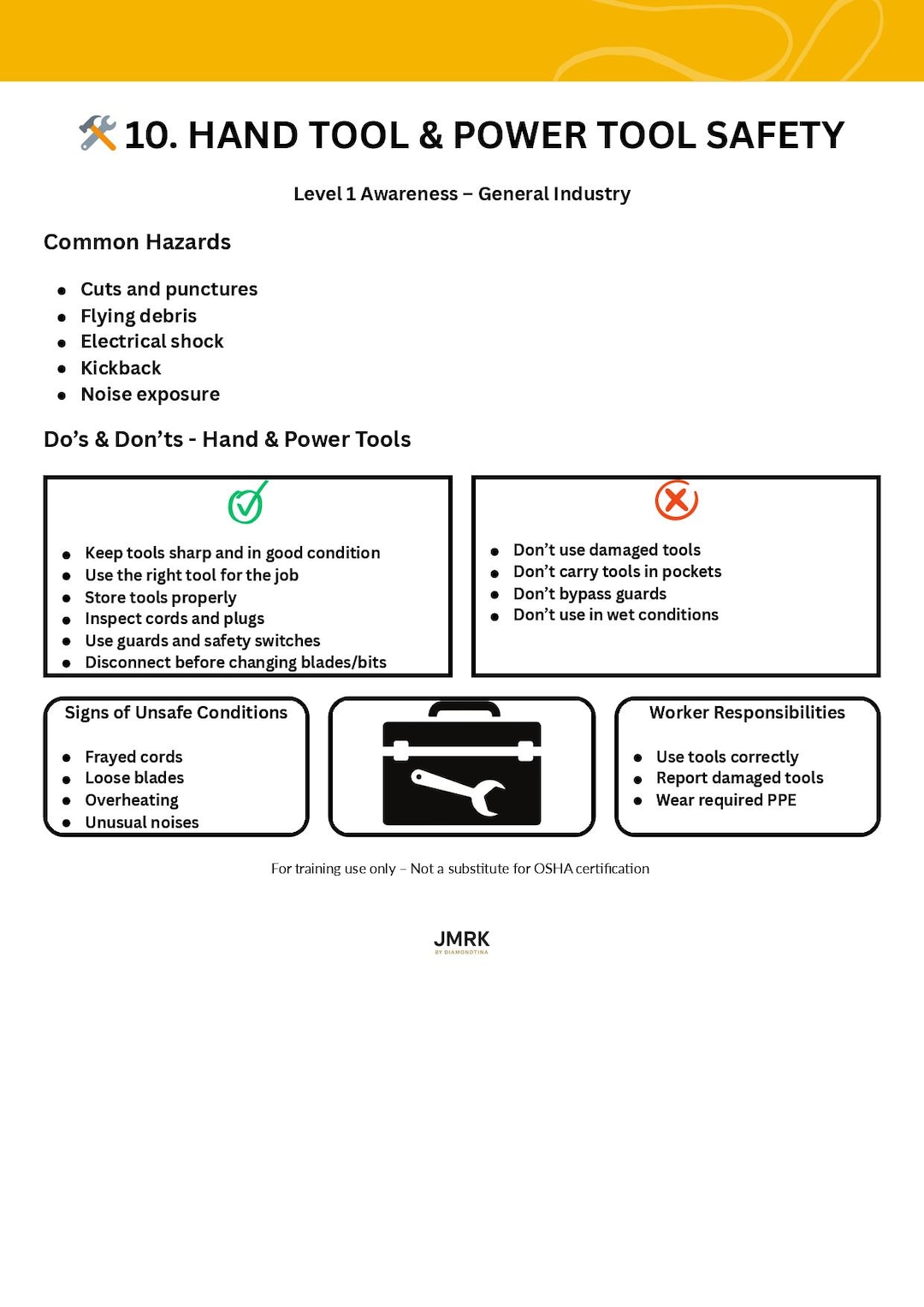
Prevention: Simple steps that work
Small habits stop big injuries. Build these into your routine.
Before you start
- Read the manual for each tool. Models differ in torque, guards, and safe use.
- Inspect the tool. Check cords, batteries, guards, switches, and brakes.
- Use sharp blades and bits. Dull edges grab and kick.
- Plan the cut or hole. Mark exits. Support the work near the cut.
- Clear the area. Remove trip hazards, cords, and clutter.
During use
- Use two hands when possible. Keep a neutral wrist and firm stance.
- Let the tool reach full speed before it contacts the work.
- Feed at a steady pace. If it bogs, back out, then try again.
- Keep hands out of the cut line. Set a no-go zone in your mind.
- Stop if you feel heat, smoke, or chatter. These warn of binding.
PPE that prevents regret
- Eye protection for all tools. Face shields for grinders and cut-off wheels.
- Hearing protection near saws, nailers, and rotary tools.
- Cut-resistant gloves for handling blades and sharp scrap. Not near rotating tools that can catch fabric.
- Dust mask or respirator for concrete, hardwood, and MDF.
Tool-specific tips
- Saws: Use riving knives, splitters, and anti-kickback pawls. Support sheet goods. Stand out of the kickback path.
- Grinders: Use the guard. Match wheel RPM and rating. Use two hands.
- Drills and drivers: Use side handles. Use low gear for large bits. Brace your arm.
- Nailers: Use sequential triggers when possible. Point downrange. Keep the other hand well clear.
Power and environment
- Use GFCI for corded tools. Check for damaged insulation.
- Keep batteries out of heat. Store and charge per the maker.
- Good light prevents bad cuts. Shadows hide pinch points.
Training and systems
- Use a pre-task checklist. Quick checks cut errors.
- Lockout before blade or bit changes.
- If your team asks, What is a Common Hazard of Using Power Tools, bake the answer into toolbox talks and demos.
A final note on limits: manuals and labels are brief. They do not cover every setup. Local rules vary. Use them as a base, then layer your best judgment.
If you ever forget and ask yourself mid-job, What is a Common Hazard of Using Power Tools, pause. Re-check support, stance, and blade path before you press the trigger again.
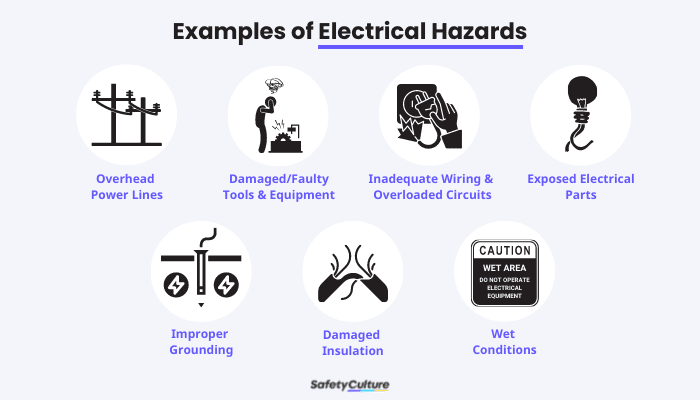
Related hazards you should not ignore
Loss of control is common, but it is not alone. Keep these on your radar too.
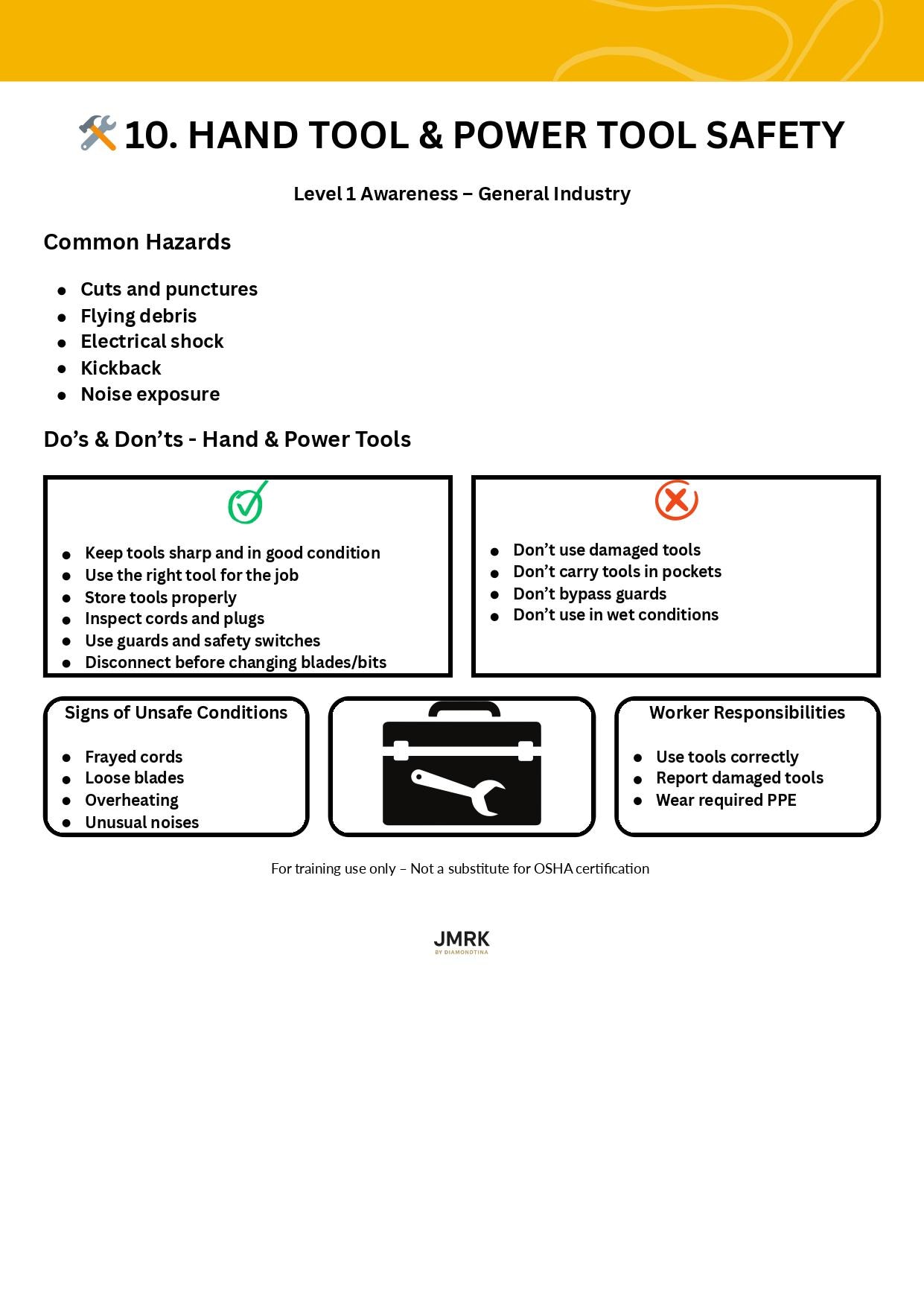
- Electrical shock. Damaged cords, wet areas, or missing GFCI can shock you.
- Flying debris. Chips, nails, and wheel fragments hit eyes and skin.
- Noise. Saws and nailers can cause hearing loss over time.
- Dust and fumes. Silica, hardwood dust, and solvents harm lungs.
- Entanglement. Loose sleeves, gloves, or hair can pull you in.
- Heat and fire. Sparks near flammables light fast. Batteries can vent if abused.
- Ergonomics. Repetition leads to tendon strain and hand-arm vibration issues.
So, beyond asking What is a Common Hazard of Using Power Tools, widen the view. Protect eyes, ears, lungs, and nerves too.
Metrics, standards, and checklists
Use numbers and standards to drive safe habits.
- Injury logs. Track near-misses and kickback events. They predict the next one.
- Maintenance cycles. Set dates for blade changes, battery checks, and cord inspection.
- Standards. Follow OSHA, ANSI, CSA, and tool maker rules for guards and triggers.
- Training. Short, hands-on refreshers beat long slide decks.
If your team debates, What is a Common Hazard of Using Power Tools, show your records. The data will point to loss of control, and your fixes will be clear.

Frequently Asked Questions of What is a Common Hazard of Using Power Tools
What is the single most common hazard?
Loss of control that causes cuts and kickback. It starts when the blade or bit binds and the tool jumps.
How can I stop kickback on a circular saw?
Support both sides of the cut and keep the kerf open. Use a sharp blade and stand out of the line of fire.
Do gloves make power tools safer?
They help when handling sharp scrap, but can be risky near spinning tools. Avoid loose gloves around rotating parts.
Are battery tools safer than corded tools?
They remove cord trip and shock risks, but still kick back. Treat torque and guards the same way.
What PPE is a must for grinders?
Safety glasses plus a face shield, hearing protection, and snug clothing. Keep the guard on and use two hands.
How often should I replace blades and bits?
When you see burn marks, feel extra push, or hear chatter. Sharp edges reduce binding and kickback.
Can I use power tools in wet areas?
Only with proper GFCI and tools rated for that use. Wet work raises shock risk and loss of footing.
Conclusion
Power tools help you do more, faster. The tradeoff is risk when control slips. Plan the cut, support the work, keep your stance strong, and use guards and PPE. These small choices prevent the most common harm.
Make today the day you audit your setup. Sharpen blades, add a side handle, and post a short checklist where you work. Want more tips like this? Subscribe, share your own near-miss in the comments, and help someone else stay safe.

Leave a Reply