

Which Power Tool Brand is Best depends on your trade, tasks, and battery ecosystem priorities.
I have tested, broken, and fixed tools on real jobs and in a shop lab. If you want a clear answer to Which Power Tool Brand is Best, this guide shows you how to choose with confidence. I will share what matters, where each brand shines, and how to avoid costly mistakes.

How I judge “best” for power tools
Choosing “best” is not simple. It depends on what you do and how often you do it. Here is how I judge, so you can see which factors fit your work.
- Power and speed. Does the tool finish hard cuts fast and stay cool.
- Runtime and batteries. How long does it last on one charge and how fast does it recharge.
- Ergonomics. Weight, balance, grip size, and vibration in long use.
- Reliability. Heat control, motor life, and consistent build quality.
- Ecosystem. Depth of the 12V, 18V/20V, 36V/40V, and specialty lines.
- Dust and safety. Dust ports, brakes, kickback control, lights, and guards.
- Service and warranty. Repair network, parts access, claim ease, and downtime.
- Value. Performance per dollar over years, not just the sale price.
Quick note: Which Power Tool Brand is Best will match your most-used tools, your battery plan, and your local service options.
Brand landscape at a glance
Here is a fast, field-tested snapshot. It sums up strengths I see on jobs and benches.
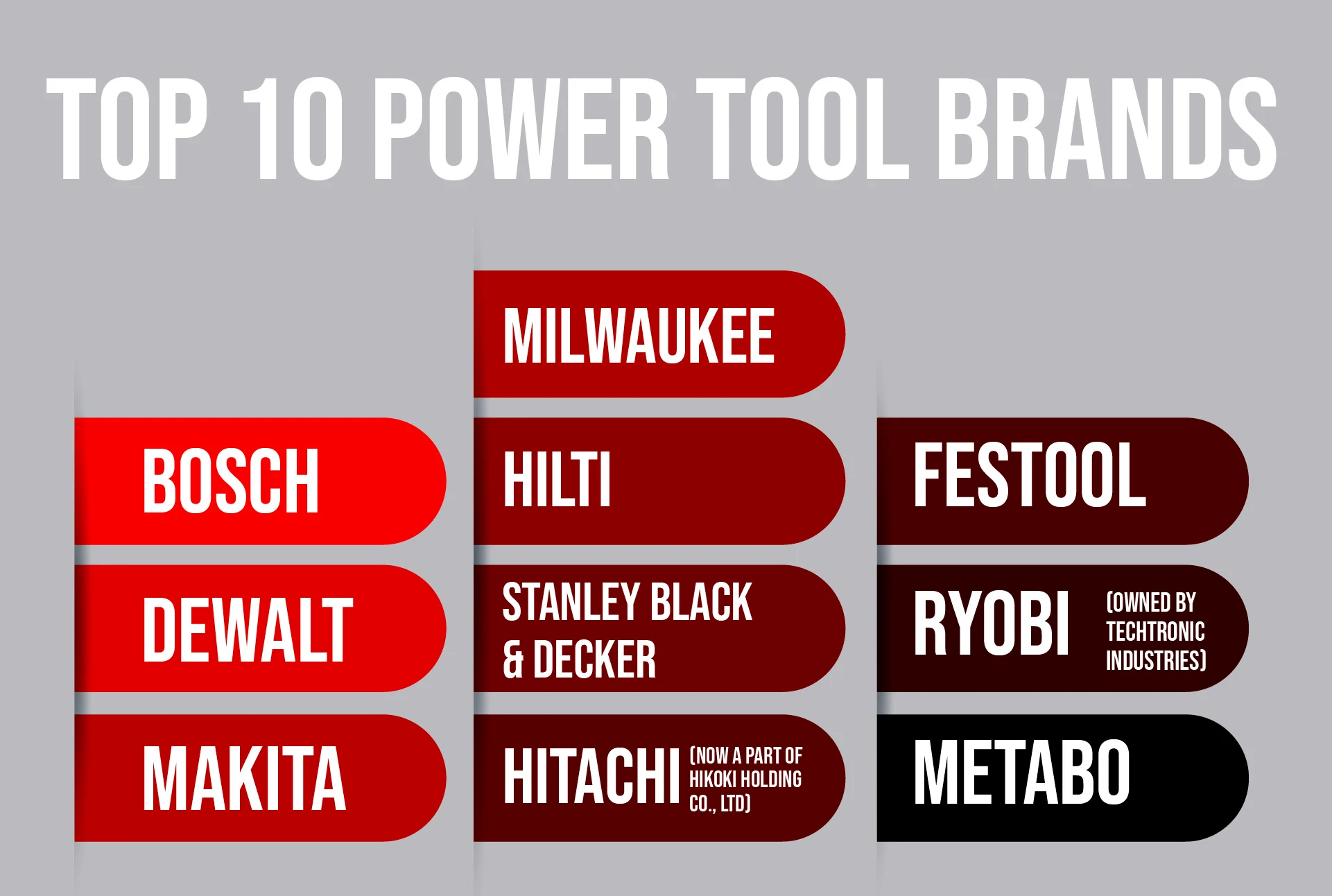
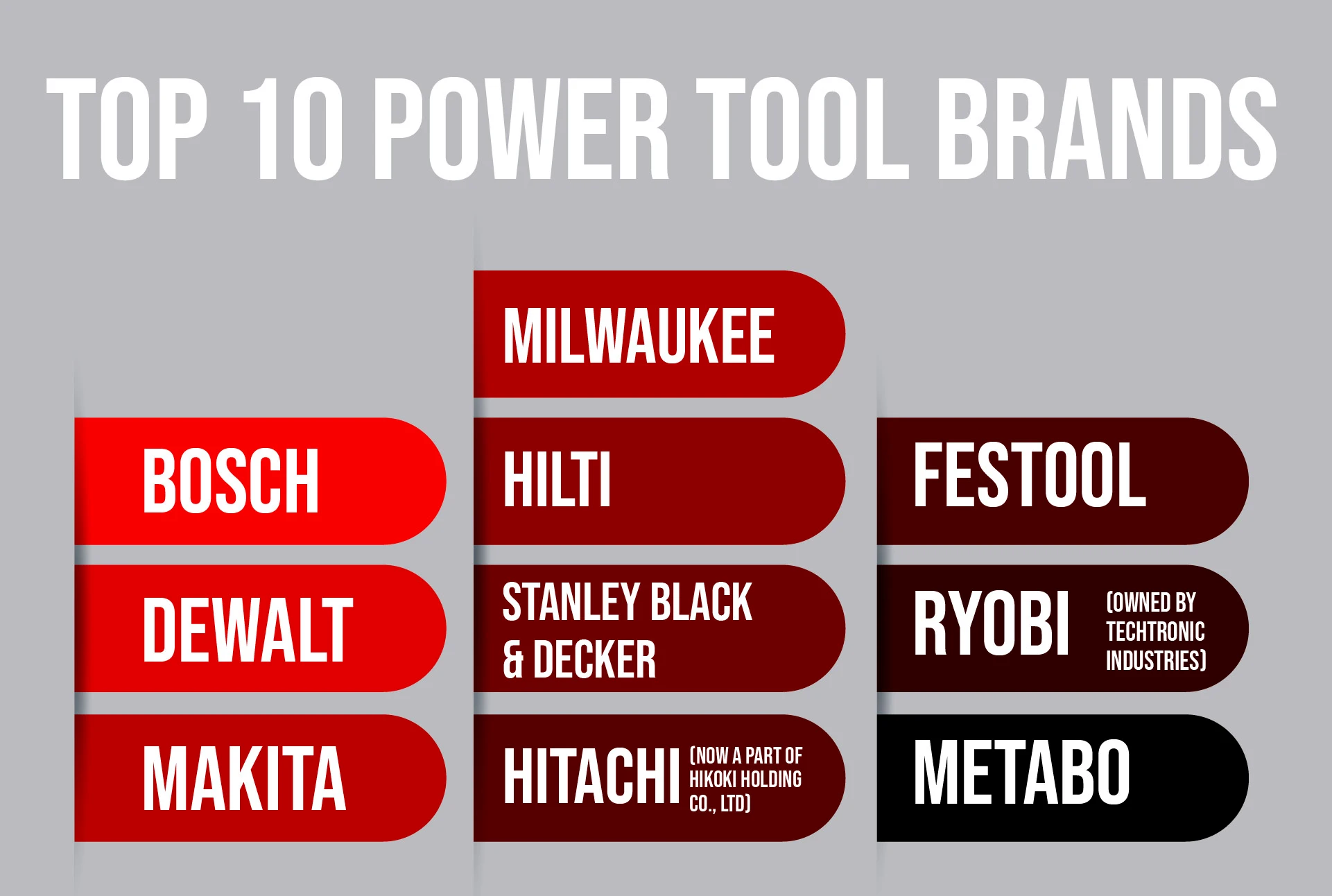
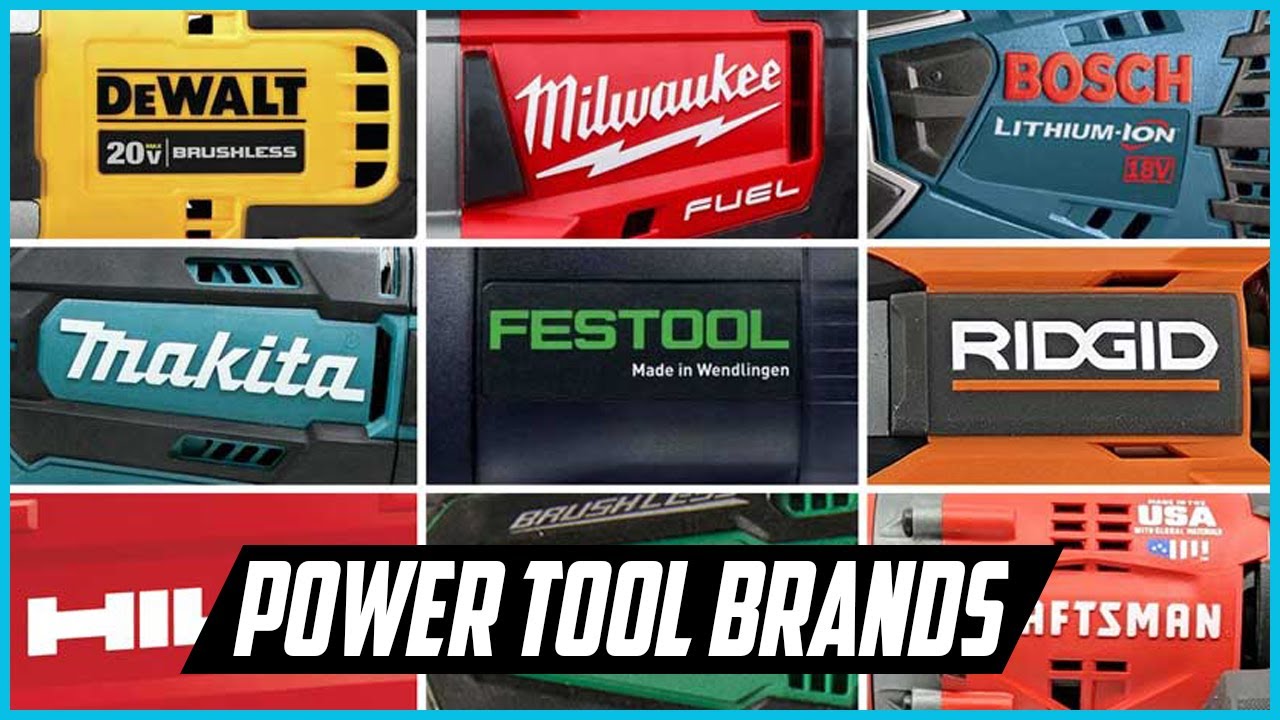
- Milwaukee. Huge pro ecosystem, top-tier impacts, plumbing and electrical tools, and strong M12 line.
- DeWalt. Great mix of power, price, and reach. FlexVolt for big saws. Wide service network.
- Makita. Smooth feel, low noise, deep woodworking and fastening range. XGT for heavy cuts.
- Bosch. Solid drills, grinders, and safety tech. ProCore batteries are stout.
- Hilti. King for concrete, anchors, and jobsite service plans. Built for high abuse.
- Festool. Best-in-class dust control and precision. Premium track saws and sanders.
- Metabo HPT. Strong impacts and nailers. MultiVolt flexibility. Good value for pros.
- Ridgid. Good performance per dollar for trades. Lifetime Service Agreement if registered.
- Ryobi. Best budget ecosystem for homeowners. One battery fits almost all.
- Skil. PWRCore packs punch for the price. Smart picks for DIY.
- Kobalt. Good 24V value at retail. Simple line for home and light shop work.
- Craftsman. Handy sets and storage bundles. Easy to find.
If you ask Which Power Tool Brand is Best for all people, the honest answer is none. Choose by task, battery plan, and support.
Battery platforms and ecosystem lock-in
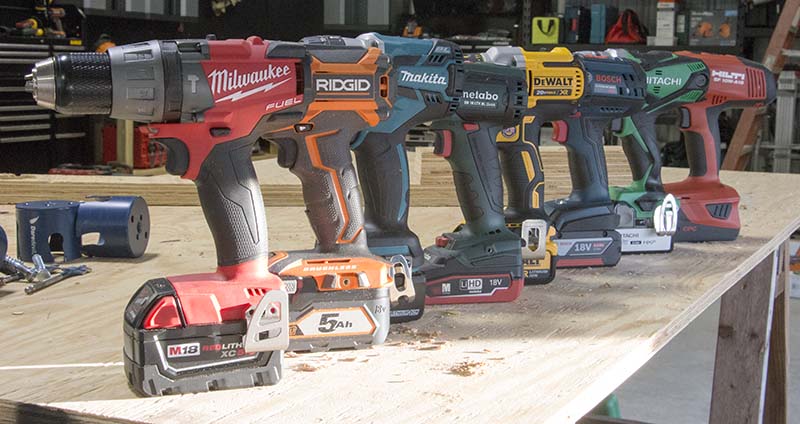
Batteries decide your long-term cost. They also shape which tools you can buy next.
- 12V lines. Compact and light. Great for service techs and tight spaces.
- 18V and 20V Max. The core for most users. Deepest tool ranges.
- High-voltage lines. 36V, 40V, 60V, and 80V class for big saws and grinders.
- Cross-voltage tricks. DeWalt FlexVolt runs 20V Max and 60V. Makita runs two 18V packs for 36V tools. Metabo HPT MultiVolt can run on a battery or an AC adapter. Hilti Nuron is a robust 22V system with smart packs.
Tips from the field:
- Start with two to four batteries in one platform you like to hold.
- Add a second line only if you need a tool your main brand lacks.
- Fast chargers save more time than one “monster” pack.
Battery reality: Which Power Tool Brand is Best often comes down to which ecosystem fits your future list.
Which Power Tool Brand is Best for Pros
For pro trades, uptime and tool depth rule. Here is what works on sites I manage and visit.
- General carpentry. Milwaukee, DeWalt, and Makita nail balance, runtime, and saw power.
- Electrical and low-voltage. Milwaukee M12 for tight work, M18 for panel and anchors.
- Plumbing and HVAC. Milwaukee for press tools and inspection. Ridgid for presses and drain care.
- Concrete and demo. Hilti for anchors and breakers. Bosch for SDS and dust control.
- Framing and exterior. DeWalt FlexVolt saws and nailers impress. Makita XGT holds its own.
- Finish and trim. Makita for smooth speed control and low noise. Festool for dust and edges.
My note: On a school remodel, we ran DeWalt FlexVolt worm-drive saws for framing and a Hilti rotary hammer for anchors. The combo cut delays. Which Power Tool Brand is Best here was a mix, not one logo.

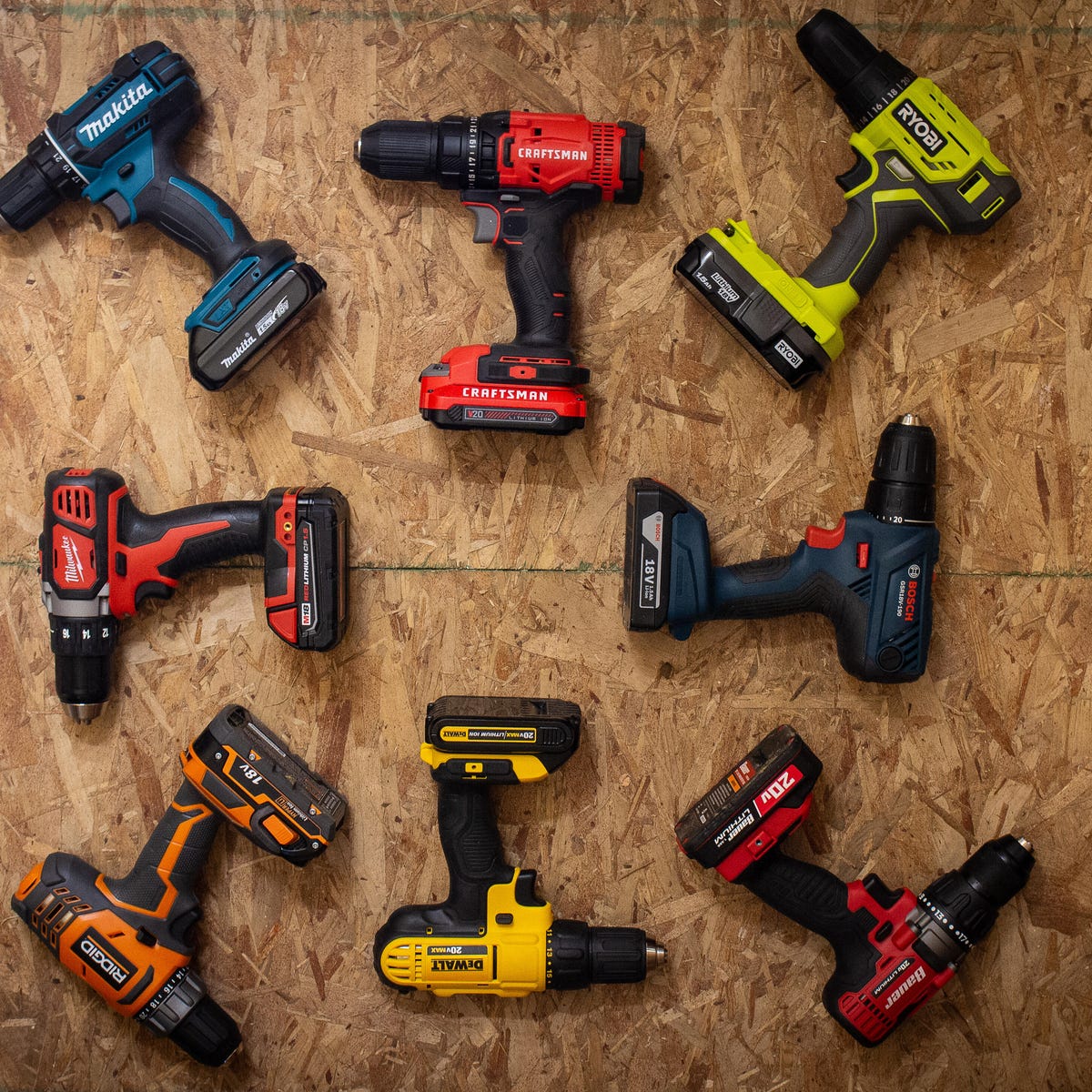
Which Power Tool Brand is Best for DIY and homeowners
You need easy wins, simple choices, and fair prices.
- Best all-around value. Ryobi 18V One+ for the huge range and fair packs.
- Best “budget but punchy.” Skil PWRCore 20 for smart chargers and good torque.
- Easiest upgrade path. DeWalt 20V Max Compact or Atomic for small size and big store support.
- Compact work. Milwaukee M12 for small hands, shelves, and furniture.
If you plan to grow a workshop, ask yourself Which Power Tool Brand is Best for the next five tools you will buy, not just today’s drill.
Which Power Tool Brand is Best for woodworking and fine finish
Precision and dust control save your lungs and your time.
- Festool. Track saws, domino joiners, and sanders with elite dust capture.
- Makita. Great routers, trim saws, sanders, and quiet operation.
- DeWalt. Strong track saw and miter saw options with easy setup.
- Bosch. Excellent routers and consistent bases.
In my shop, a Festool track saw on a CT vac beat my table saw for sheet cuts. But my Makita router lives on my bench because it feels right in the hand. Which Power Tool Brand is Best will match your workflow and dust plan.
Which Power Tool Brand is Best for automotive, metal, and trades
Torque and heat control matter most.
- Automotive impacts. Milwaukee M18 High Torque and Mid Torque set a high bar. Makita’s XGT also hits hard.
- Grinders and metalwork. Bosch and Metabo HPT run cool with good guards. Makita XGT shines on heavy wheels.
- Under-hood and interiors. Milwaukee M12 ratchets and right-angle solutions are hard to beat.
I swapped lug nuts all winter. The Milwaukee M18 High Torque never tripped thermal limits on cold days. Which Power Tool Brand is Best for this work is the one that holds torque without cooking your hands.
Service, warranty, and reliability
Downtime kills profit. Warranty and service can tip your choice.
- Milwaukee. Strong national service and parts flow. Long tool warranty with clear claims.
- DeWalt. Three-year limited, a year of free service, and many centers.
- Makita. Three-year coverage on tools, chargers, and packs. Solid parts support.
- Bosch. Coverage varies by tool, often up to three years with registration.
- Hilti. Long-term coverage with defined no-cost repair windows and fast swaps.
- Festool. Three-year all-in type coverage and great dust parts support.
- Ryobi. Three-year limited, fast swaps at retail for many items.
- Ridgid. Lifetime Service Agreement on many tools if you register on time.
Independent tests and teardown studies show that heat control and brushless design raise tool life. Reliability also comes from simple care: clean vents, rotate batteries, and stop when the pack is hot. Which Power Tool Brand is Best will also be the one you can get fixed fast where you live.
Price tiers and value picks
Match budget to need. Spend where it pays back.
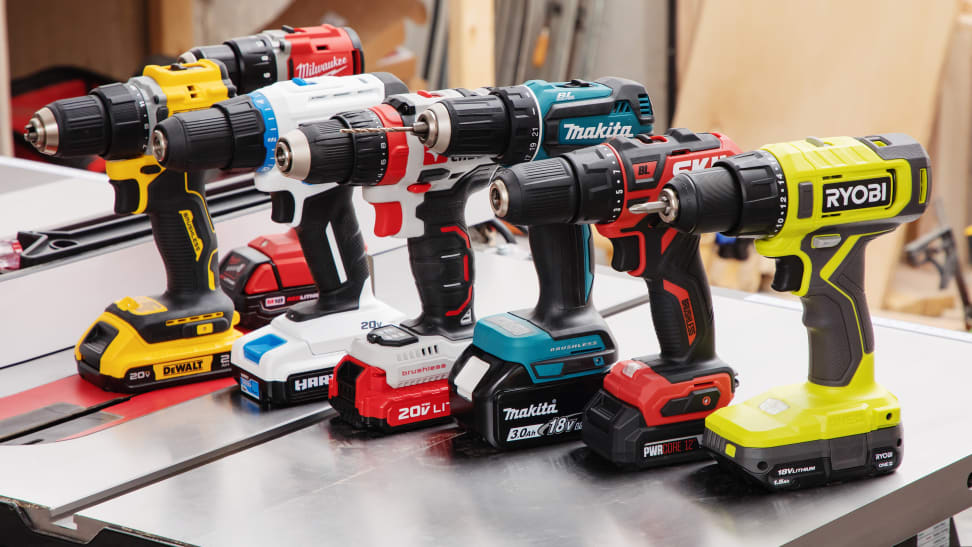
- Budget. Ryobi, Skil, and Kobalt shine for home and light shop tasks.
- Mid-tier. DeWalt 20V Max and Makita LXT give pro-grade work at fair cost.
- Premium. Milwaukee M18 and deep DeWalt FlexVolt kits for site leaders.
- Ultra-premium or niche. Hilti for concrete service. Festool for dust-first woodworking.
Smart buy tip: get a two-battery kit with a fast charger. Add bare tools next. Which Power Tool Brand is Best for value is often the one with the kit you will use every week.
Testing notes, data, and real-world lessons
Here is what I have seen across many tool runs and jobs.
- Runtime. Flagship 7-1/4 inch saws from Milwaukee, DeWalt, and Makita are close in speed on 2x lumber with 5Ah packs.
- Drills. High-end hammer drills cluster near each other on large spade bits. Grip comfort splits the tie over time.
- Impacts. Latest models from top brands break rusty bolts. Noise and vibration differ more than peak torque.
- Dust. Festool and Hilti lead on system-level dust control. Bosch is strong in safety features.
My lessons learned:
- Do not chase one spec. Look at the whole kit and charging speed.
- Hold the tool. If it feels wrong, you will avoid using it.
- Plan your next five tools. Batteries lock in value.
- Keep receipts and register early. Service saves money later.
Which Power Tool Brand is Best in the lab may not be best in your hands. Fit and local support win days on site.
Common mistakes and how to choose the right brand
Use this fast path to a smart pick.
- Define your top three tasks. Drill, saw, grind, or cut-off.
- Pick one battery platform to start. Get two to four packs and a fast charger.
- Choose a kit that solves real work this week. Add niche tools later.
- Check service nearby. Ask about loaners and turnaround time.
- Try the grip and trigger. Comfort beats a tiny spec edge.
If you get stuck, ask yourself again: Which Power Tool Brand is Best for how I work, how I charge, and who can fix it fast.
Frequently Asked Questions of Which Power Tool Brand is Best
Is there one brand that is best for every user?
No. Each brand has strengths. Pick based on your tasks, budget, and local service.
Do I need to stay with one battery brand?
It helps. One platform saves money and cuts downtime. Add a second only for a must-have tool.
Are brushless tools always better?
Usually. They run cooler, last longer, and save battery. But a good brushed tool can still work fine.
Which brand has the best warranty?
It varies. Many offer three to five years on tools, while some offer special service plans if you register.
What voltage should I buy?
Most users can start with 18V or 20V Max. Go higher only if you run large saws, grinders, or heavy demo work.
Should a DIYer buy pro tools?
Only if you need them. Mid-tier tools today handle most home jobs and cost less.
Conclusion
You came here asking Which Power Tool Brand is Best. The real win is finding the brand that fits your work, your hands, and your battery plan. Start with one strong platform, buy a smart kit, and add tools that pay you back in time saved.
Test a few grips in person, register your tools, and build a system that grows with you. Ready to pick your platform? Share your short list in the comments, and subscribe for new test results and buying guides.

Leave a Reply