

Clean aerators, check shutoff valves, fix leaks, adjust the PRV, or add a booster.
If weak taps and slow showers are driving you mad, you are not alone. This guide on How To Solve Low Water Pressure In House shows you clear steps that work in the real world. I have fixed low pressure in old bungalows, new builds, and rural homes. You will learn fast checks, deep diagnostics, safe targets, and smart upgrades that last. Read on to turn a trickle into a steady, safe flow.
Understand Water Pressure vs Flow
Pressure is the force that pushes water through your pipes. Flow is how much water comes out. You can have good pressure but poor flow if the path is blocked. Think of pressure as the push and flow as the open road.
Most homes feel best at 50 to 70 psi. Many codes allow 40 to 80 psi. Above 80 psi can damage fixtures. Below 40 feels weak. If you want to know How To Solve Low Water Pressure In House, you must first measure and separate pressure from flow.
Static pressure is the reading with all taps off. Dynamic pressure is while water runs. A big drop from static to dynamic often means a restriction or small pipes.
:max_bytes(150000):strip_icc()/increase-low-shower-pressure-4052359_FINAL-e06ed996ea4e4b30836d24a86f45c003.png)
A Simple Step‑By‑Step Diagnosis
Start wide, then go narrow. This is how I run calls when a client asks How To Solve Low Water Pressure In House.
- Check if the issue is whole home or one fixture. Try the tub, kitchen, and a hose bib.
- Test both hot and cold. If only hot is weak, suspect the water heater.
- Look for obvious leaks. Check ceilings, crawl spaces, and the yard for damp spots.
- Open every valve. Main shutoff and fixture stops must be fully open.
- Inspect aerators and showerheads. Mineral grit clogs screens fast.
- Measure pressure at an outdoor spigot with a cheap gauge.
- Ask neighbors. If they have low pressure too, the city line may be low.
Log what you find. Small clues point to a clear fix.
Fast Fixes You Can Do Today
These quick wins solve most cases of low flow. When people ask How To Solve Low Water Pressure In House, I start here.
- Clean faucet aerators. Unscrew, rinse grit, and soak in vinegar to clear scale.
- Descale showerheads. Soak in warm vinegar for 30 minutes, then brush.
- Open the main valve. A half‑closed gate or ball valve can cut flow in half.
- Flush the water heater. Sediment steals hot water flow. Drain until clear.
- Replace clogged cartridges. Mixer valves in showers often gum up.
- Swap a kinked supply hose. Under‑sink braided lines can collapse.
I once fixed a “mystery” low pressure call in five minutes by opening a half‑shut main valve. The homeowner had closed it during a repair and forgot.

Fixture‑Specific Fixes That Work
Each fixture can fail in its own way. This helps you aim faster while solving How To Solve Low Water Pressure In House.
Kitchen sink
- Remove and clean the aerator and the pull‑down spray screen.
- Check the angle stops under the sink. Make sure both are fully open.
- Replace a clogged pull‑down hose if the inner liner has collapsed.
Shower
- Descale the head. If flow stays low, pull the valve cartridge and clean or replace it.
- Look for anti‑scald limiters set too low. Adjust within safe range.
Outdoor spigot
- Test pressure here with a gauge. If pressure is fine outside but low inside, the issue is in the house piping.
- Replace old vacuum breakers that jam.
Small, targeted fixes often restore strong flow at a fraction of the cost.
:max_bytes(150000):strip_icc()/testing-water-pressure-in-your-home-2718692-04-c37ab3236d0d4b61b87079ebf9ef823e-c1e1ef0104fb44778a287bd9bb5ec140.jpeg)
Whole‑Home Causes And Lasting Solutions
When the whole house is weak, dig into supply, piping, and controls. This is the heart of How To Solve Low Water Pressure In House.
- Main shutoff or meter valve partly closed. Confirm they are fully open.
- Pressure‑reducing valve stuck or mis‑set. Many homes have a PRV near the main. Replace if old or adjust to 50 to 70 psi.
- Galvanized steel pipes corroded. The inner diameter shrinks with rust. Repiping with copper or PEX restores flow.
- Water heater sediment and scale. Flush yearly. For very hard water, add a softener to protect heaters and fixtures.
- Peak demand overload. Too many fixtures on small pipes cuts pressure. Stagger use or upsize branches during remodels.
- City supply low. A booster pump with a small tank can fix this.
- Well system issues. Check pump output, pressure switch (often 30/50 or 40/60 settings), and tank bladder.
I once traced a chronic low pressure case to a failed PRV screen. Replacing the valve and resetting to 60 psi turned a sad trickle into a firm, even stream across the home.

Measure And Set The Right Pressure
You cannot fix what you do not measure. Here is a safe, clear way to set targets while working on How To Solve Low Water Pressure In House.
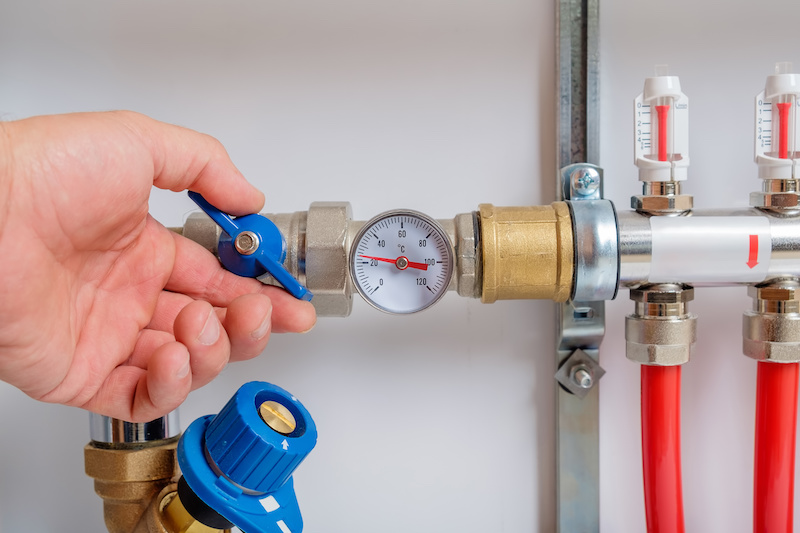
- Buy a hose‑bib pressure gauge with a lazy needle. It records peaks too.
- Test static pressure with all taps off. Aim for 50 to 70 psi.
- Open a tub and retest. If dynamic pressure drops by more than 15 psi, you likely have a restriction or small lines.
- Adjust the PRV if installed. Turn the screw slowly, a quarter turn at a time. Clockwise raises pressure. Recheck often.
- If city pressure is under 40 psi at the meter, consider a booster pump.
Keep showers safe. Very high pressure can burst hoses and stress appliances.
Smart Upgrades That Make A Big Difference
Upgrades fix root causes and protect your system. They also help if you keep asking How To Solve Low Water Pressure In House and want a long‑term answer.
- Booster pump with small tank. Great for low city pressure or tall homes.
- New PRV. Modern valves hold steady pressure and reduce noise.
- Repiping old galvanized lines. Copper or PEX restores flow and quality.
- Water softener or conditioner. Limits scale that clogs heaters and fixtures.
- Larger main or branch lines during remodels. Reduces pressure drop under demand.
From my jobs, the best cost‑to‑impact combo is a new PRV plus a targeted repipe of the worst run. It fixes the symptom and the cause without tearing up the whole house.

Preventive Maintenance You Can Follow
A simple plan keeps pressure strong for years. This is my go‑to routine for clients who want How To Solve Low Water Pressure In House to stay solved.
- Every 3 months. Clean aerators and shower screens.
- Every 6 months. Check the main valve position and read pressure with a gauge.
- Yearly. Flush the water heater and test your PRV setting.
- After any plumbing work. Recheck that all valves are fully open.
- In hard‑water areas. Descale fixtures more often or add a softener.
Small habits stop clogs before they start. Your pipes and appliances last longer too.
When To Call A Pro And What It May Cost
Some jobs need tools, testing, or permits. Call a licensed plumber if you still wonder How To Solve Low Water Pressure In House after the basics.
- Sudden drop across the whole home with signs of a leak.
- Very old galvanized pipes with brown water or low flow.
- PRV replacement, repiping, or booster pump installs.
- Well system issues, pressure switches, or tank bladder failures.
Expect basic diagnostics to be modest. PRV replacement is usually mid‑range. Repiping is a larger job but brings the biggest improvement. Get two or three quotes and compare scope, not just price.
Frequently Asked Questions of How To Solve Low Water Pressure In House
How do I know if the city supply is the problem?
Test with a gauge at the hose bib. If static pressure is under 40 psi at the street, the city supply is low.
Can a water heater cause low pressure?
Yes, sediment and scale restrict hot‑side flow. Flush the tank and check the mixing valve or outlet nipple for clogs.
What should my home water pressure be?
Most homes feel best between 50 and 70 psi. Avoid going over 80 psi to protect fixtures and hoses.
Will a water softener improve pressure?
It will not raise pressure on its own. It prevents scale that can cause low flow, which keeps pressure stable over time.
Do I need a booster pump?
Only if source pressure is low or the home is tall. Measure first, then size a booster to your peak demand.
Why does only one faucet have low pressure?
The aerator, cartridge, or supply line is likely clogged. Clean or replace the parts at that fixture.
Is it safe to adjust the PRV myself?
Yes if you go slow and use a gauge. Turn in small steps and stay within 50 to 70 psi.
Conclusion
You can fix weak water in a calm, clear way. Start with simple checks, measure pressure, clear blockages, and set your PRV. If the source is low or pipes are old, plan smart upgrades. That is the steady path for How To Solve Low Water Pressure In House that lasts.
Take one room today. Clean screens, open valves, and use a gauge. If you need help, call a pro with your notes and readings. Want more guides like this? Subscribe, share your results, or ask a question in the comments.

Leave a Reply