

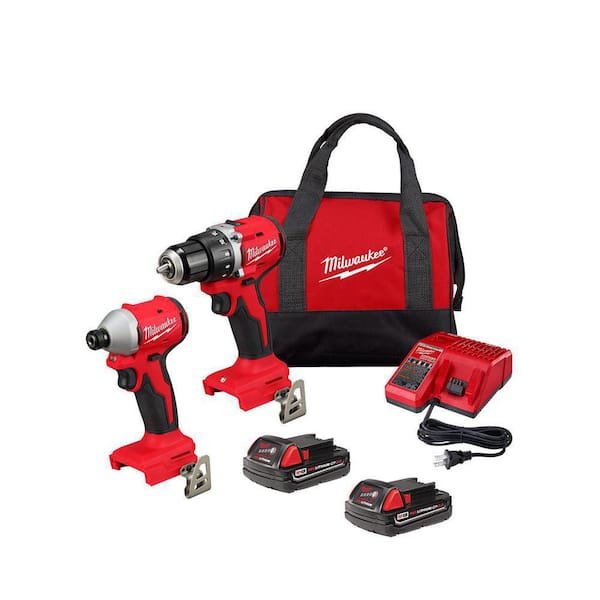
Use PPE, read manuals, secure workpieces, cut power, and stay alert.
If you want to know How To Safely Use Power Tools At Home, you are in the right place. I have spent years fixing spaces, teaching new DIYers, and testing tools. In this guide, I will show you clear steps, real examples, and expert tips. You will learn smart habits that keep you safe and make your work clean and fast.

Source: amazon.com
How To Safely Use Power Tools At Home: Core Principles
Safety is a habit, not a single step. Learn the tool, respect the risks, and set up with care. How To Safely Use Power Tools At Home means planning first and cutting second.
Read the manual before you plug in. The manual is short and full of gold. Test the trigger with the tool unplugged or without a battery. Check the guard and lock. Confirm the bit or blade is tight.
Use both hands when you can. Keep a balanced stance. Clear your path so you do not trip. Work slow until you build skill. I tell new DIYers this: safe work is smooth, quiet, and planned.
Repeat this mindset each time. How To Safely Use Power Tools At Home starts and ends with you.

Source: amazon.com
Plan Your Project and Set Up a Safe Workspace
A good setup cuts risk in half. It also saves time. Plan your space before you start.
- Choose a flat, bright area. Add task lights to crush shadows.
- Keep kids and pets out. Use a closed door or a gate.
- Secure the workpiece. Use clamps, a vise, or a bench.
- Lay out the path for cords. Keep cords behind you and off the floor.
- Keep a trash can, a broom, and a shop vac ready.
Do a dry run with the tool off. Move as if you are cutting. Fix any clumsy steps now. This small drill can prevent a big mistake.

Source: safetymattersweekly.com
Personal Protective Equipment You Actually Need
PPE is not extra. It is part of the tool. Wear it every time.
- Eye protection. Use ANSI-rated safety glasses with side shields.
- Hearing protection. Use earmuffs or earplugs. Power tools get loud fast.
- Dust mask or respirator. Choose the right filter for wood, concrete, or paint.
- Gloves for handling rough stock. Remove gloves when they can catch in moving parts.
- Closed-toe shoes with grip. Keep your feet safe and stable.
- Tie back long hair. Remove rings, bracelets, and loose sleeves.
I once skipped hearing protection for a “quick cut.” My ears rang for hours. I do not skip it now. You will not either after one scare.

Source: amazon.com
Electrical and Battery Safety at Home
Most home power tool injuries are not cuts. They are shocks and burns. Treat power like fire.
- Use grounded or GFCI outlets in garages, basements, and outdoors.
- Check cords for cuts or kinks. Replace damaged cords at once.
- Do not overload one outlet with many high-draw tools.
- Unplug before blade or bit changes. Remove the battery first for cordless tools.
- Store batteries away from heat and metal. Use the brand charger made for that pack.
- Let hot tools and packs cool before storage.
If a breaker trips, find the cause. Do not just flip it back. Your home wiring will thank you.

Source: nesailing.org
Tool-by-Tool Safety Tips for Common Home Tools
Each tool has a voice. Learn how it speaks. Here is how to use the most common ones the safe way.
Drills and Drivers
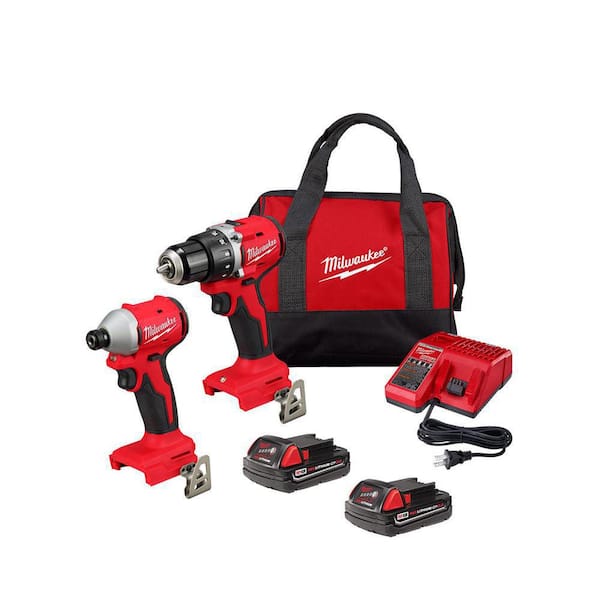
Keep the bit tight and straight. Start slow to avoid a slip. Brace your wrist for a sudden catch. Use a clutch on drivers to avoid stripping screws.
Circular Saws
Set the blade depth to just past the wood. Support the offcut so it does not pinch. Let the blade stop before you set it down. Never start with the blade touching the wood.
Jigsaws and Reciprocating Saws
Use the right blade for the job. Press the shoe against the work to control bounce. Watch for hidden nails or wires in walls.
Sanders
Wear a mask. Dust is the silent hazard. Keep the sander flat to avoid gouges. Clean the pad and change paper often.
Angle Grinders
Use the right guard and wheel. Stand to the side at start-up. Hold with two hands. Keep sparks away from fuel and dust piles.
Nailers and Staplers
Keep hands out of the line of fire. Do not press the tip against your body. Disconnect air or remove the battery before clearing jams.
I have seen wood pinch a circular saw and kick back hard. The fix was simple. I added a second support and cut again. Smooth as butter.
Source: homedepot.com
Smart Habits: Handling, Storage, and Maintenance
Good habits make safety easy. Set them once and stick with them.
- Inspect tools before each use. Look for cracks, loose guards, and dull bits.
- Keep blades and bits sharp. Dull edges slip and cause force and heat.
- Clean dust and sap after each session. Use a brush, not air, for fine dust.
- Store tools dry and off the floor. Use cases for small tools and batteries.
- Label chargers and packs. Do not mix brands or voltages.
A little care extends tool life and safety. It also makes your work look pro.

Source: amazon.com
Common Mistakes to Avoid When Learning How To Safely Use Power Tools At Home
Beginners make the same few errors. Skip them and you are ahead.
- Rushing the first cut. Slow down. Measure, mark, and clamp.
- Working tired or distracted. If you feel off, stop. Start again later.
- Holding small pieces by hand. Use a jig or a clamp.
- Using the wrong blade or bit. Match the tool to the task.
- Ignoring dust. Dust harms lungs and hides lines. Use a vac or dust bag.
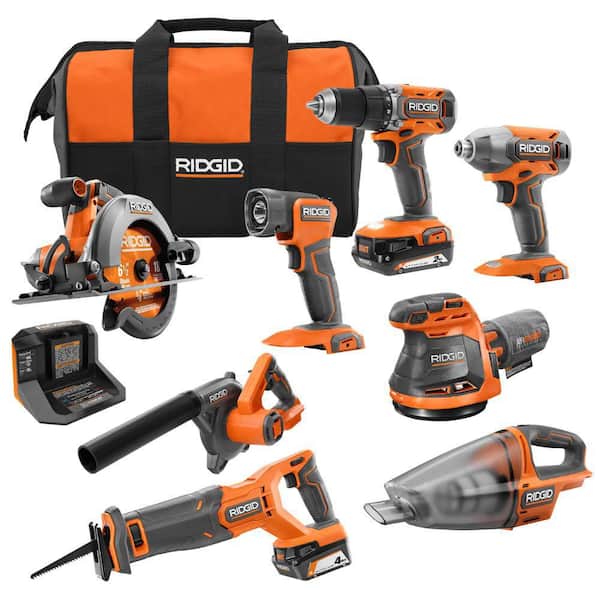
How To Safely Use Power Tools At Home is simple when you avoid these traps. I learned most of them the hard way. You do not have to.
Source: homedepot.com
Emergency Readiness: What To Do When Things Go Wrong
Prepare for problems before you cut. It can save a finger, eye, or home.
- Keep a first-aid kit nearby. Include bandages, tape, and eye wash.
- Know where your main breaker is. Cut power in a shock event.
- Store a fire extinguisher rated for electrical and wood fires.
- For cuts, apply pressure and elevate the limb. Seek care fast for deep cuts.
- For dust in eyes, flush with clean water for at least 15 minutes.
Write emergency numbers on a card in the shop. I keep mine on the wall by the door.
A Simple Step-by-Step Checklist: How To Safely Use Power Tools At Home
Use this short list before and after each session. It keeps you safe and sharp.
- Plan the task. Read the manual and set up a clear space.
- Wear PPE. Glasses, hearing, and mask at a minimum.
- Inspect the tool. Check guards, cord or pack, and sharpness.
- Secure the workpiece. Use clamps or a vise.
- Set the tool. Correct blade or bit and depth or speed.
- Make a dry run. Watch cord paths and stance.
- Power on and cut. Use firm, steady pressure. Do not force it.
- Power off and wait. Let moving parts stop before setting the tool down.
- Clean up. Vacuum dust and put tools back dry.
- Review. Note what went well and what to improve.
Repeat this list and you will master How To Safely Use Power Tools At Home. It will feel natural fast.
Frequently Asked Questions of How To Safely Use Power Tools At Home
What is the first step to learn How To Safely Use Power Tools At Home?
Start with the manual and a simple tool like a drill. Practice on scrap wood, not your real project.
Do I need PPE for quick tasks at home?
Yes. Quick jobs cause many injuries. Put on glasses and hearing protection every time.
How do I know which blade or bit to use?
Match the material and the cut type to the blade or bit label. When unsure, check the manual or the tool brand guide.
How can I control dust inside my home?
Use a shop vac with a fine filter and connect it to the tool port. Close doors, open a window, and wear a mask.
What is the safest way to change blades or bits?
Unplug the tool or remove the battery first. Lock the spindle if needed, tighten well, and test the spin before use.
Conclusion
Safe work is planned work. When you follow setup steps, wear PPE, and use the right blade or bit, your cuts are clean and your risks drop. How To Safely Use Power Tools At Home becomes a simple habit you can trust.
Start with one tool and one project this week. Use the checklist, take your time, and log your wins and lessons. Ready to keep learning? Subscribe for more guides, or leave a comment with your next project.

Leave a Reply