

Choosing between solar UPS and normal UPS systems depends on your power backup needs and environment. Both types provide battery backup but differ in design and efficiency. Normal UPS units are common for everyday electronics, while solar UPS can integrate with solar power systems.
The main difference lies in how they manage and source power during outages.
After reading, you will understand which UPS suits your usage better in practical terms.
Quick Guide To Ups Backup Choices
- Choose CyberPower PFC Sine Wave UPS if you need support for active PFC power supplies and multiple outlets.
- Pick CyberPower SL700U Standby UPS for a compact, slim profile suited for basic home office devices.
- Go with CyberPower PFC Sine Wave UPS when you want automatic voltage regulation to handle minor power fluctuations.
- Select CyberPower SL700U if you prefer a simple standby UPS with efficient power consumption.
- Consider CyberPower PFC Sine Wave UPS when you require USB ports for charging mobile devices alongside battery backup.
Using Ups Systems In Everyday Settings
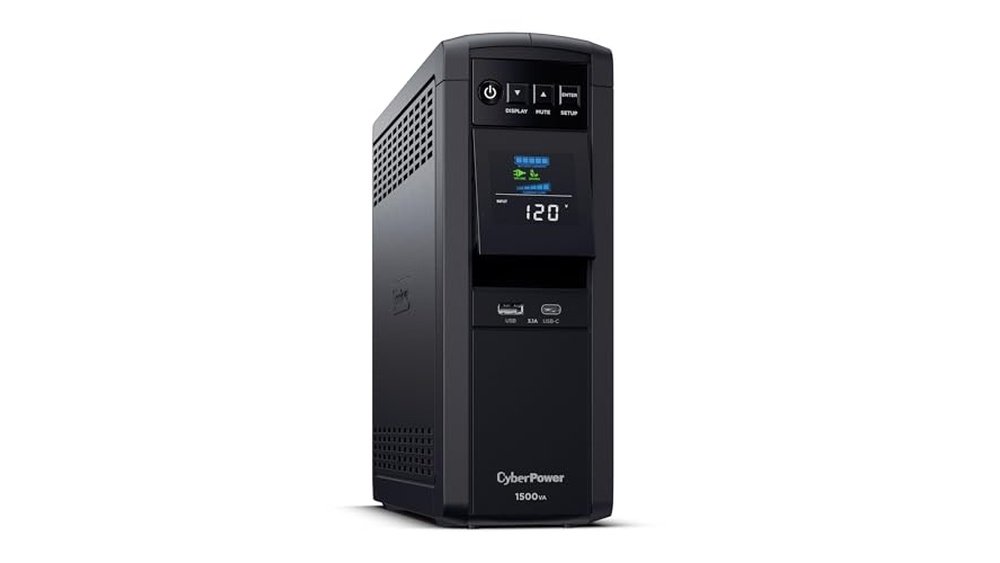
The CyberPower PFC Sine Wave UPS performs well in a busy office or home workstation. It supports sensitive electronics and offers multiple outlets, so I can plug in computers and network devices without worries. The LCD panel keeps me informed about power conditions, which helps avoid surprises during outages.
The CyberPower SL700U Standby UPS fits neatly in smaller spaces with its slim design. It handles my gaming console and router easily. While it doesn’t have as many outlets, its energy-efficient design means it stays cool and quiet during use, which is appreciated in a relaxed home environment.
Overview Of Cyberpower Pfc Sine Wave Ups

Where CyberPower PFC Sine Wave UPS Fits
- Protecting computers and workstations with active PFC power supplies
- Supporting multiple devices with 12 outlets
- Environments needing automatic voltage regulation to prevent battery drain
- Users who want real-time power condition monitoring
Where CyberPower PFC Sine Wave UPS Struggles
- Heavier and bulkier compared to simpler UPS models
- Higher price point than basic standby UPS units
Overview Of Cyberpower Sl700u Standby Ups

Where CyberPower SL700U Fits
- Small home office setups with limited devices
- Basic backup for entertainment devices like gaming consoles
- Users seeking a compact and efficient UPS
- Situations where simple surge protection with backup is sufficient
Where CyberPower SL700U Struggles
- Lower power capacity limits support for high-demand equipment
- Simulated sine wave output may not suit all sensitive devices
Practical Comparison Of Ups Performance And Features
I looked at how both UPS systems handle daily power interruptions and device support. The focus was on power output type, capacity, outlet count, and convenience features like USB charging. Each model serves distinct needs based on equipment sensitivity and backup duration requirements.
Power Output and Capacity
Which UPS supports more demanding devices? How stable is the power output during outages?
| Aspect | CyberPower PFC Sine Wave UPS | CyberPower SL700U Standby UPS |
|---|---|---|
| Power Capacity | 1500VA / 1000W | 700VA / 370W |
| Output Waveform | Pure sine wave | Simulated sine wave |
| Suitable for Active PFC PSUs | Yes | No |
| Automatic Voltage Regulation | Included | Not included |
Ratings: CyberPower PFC Sine Wave UPS – 8/10 | CyberPower SL700U Standby UPS – 7/10
Edge: The PFC Sine Wave UPS suits users with sensitive or high-demand electronics better.
Port and Outlet Availability
How many devices can each UPS support simultaneously? Are USB ports included for device charging?
| Aspect | CyberPower PFC Sine Wave UPS | CyberPower SL700U Standby UPS |
|---|---|---|
| Total Outlets | 12 (6 battery backup + surge, 6 surge only) | 8 (5 battery backup + surge, 3 surge only) |
| USB Charging Ports | 2 (Type-A and Type-C) | 2 (shared 2.4 amps) |
| Spaced Outlets for Larger Plugs | No mention | Yes, 2 widely spaced |
Ratings: CyberPower PFC Sine Wave UPS – 9/10 | CyberPower SL700U Standby UPS – 7/10
Edge: The PFC Sine Wave UPS offers more outlets, useful for complex setups.
Size and Portability
Which UPS is easier to fit in smaller spaces or move around?
| Aspect | CyberPower PFC Sine Wave UPS | CyberPower SL700U Standby UPS |
|---|---|---|
| Dimensions (HxWxL) | 11.0 x 3.9 x 14.0 inches | 5.4 x 2.76 x 12.76 inches |
| Weight | 24.9 pounds | 6.77 pounds |
| Profile | Mini tower | Slim profile |
Ratings: CyberPower PFC Sine Wave UPS – 6/10 | CyberPower SL700U Standby UPS – 8/10
Edge: The SL700U is better for compact spaces and portability.
Energy Efficiency and Power Consumption
How do these UPS units manage power consumption during normal operation?
| Aspect | CyberPower PFC Sine Wave UPS | CyberPower SL700U Standby UPS |
|---|---|---|
| Power Efficiency Feature | Automatic Voltage Regulation reduces battery use | GreenPower UPS high efficiency design |
| Power Consumption | Moderate | Lower due to efficient design |
Ratings: CyberPower PFC Sine Wave UPS – 7/10 | CyberPower SL700U Standby UPS – 8/10
Edge: SL700U wins for lower power consumption in typical home use.
Warranty and Support
What warranty and guarantees come with each UPS?
| Aspect | CyberPower PFC Sine Wave UPS | CyberPower SL700U Standby UPS |
|---|---|---|
| Warranty Length | 3 years including battery | 3 years including battery |
| Connected Equipment Guarantee | $500,000 | $100,000 |
| Software Included | PowerPanel Management Software | PowerPanel Personal Software |
Ratings: CyberPower PFC Sine Wave UPS – 8/10 | CyberPower SL700U Standby UPS – 7/10
Edge: The PFC Sine Wave UPS offers stronger connected equipment protection.
Long-term Experience With Ups Devices
Both UPS models have a straightforward setup process and consistent performance over time. The learning curve for monitoring and managing the CyberPower PFC Sine Wave UPS is slightly higher due to its LCD panel but offers more detailed power insights, which can be helpful for those who want to track power conditions closely.
The SL700U Standby UPS is simpler to operate with fewer features to manage. Its reliable backup and energy efficiency provide peace of mind for everyday use without much intervention. Trust builds as these units consistently protect devices during outages and surges.
Choosing The Right Ups For Your Setup
The CyberPower PFC Sine Wave UPS is best suited for users with sensitive electronics requiring pure sine wave output and multiple outlets. It is ideal for home offices or workstations with active PFC power supplies and those who want detailed power monitoring and stronger equipment protection.
The CyberPower SL700U Standby UPS fits well for simpler needs, such as gaming consoles, routers, or home entertainment devices. Its compact design and energy efficiency make it a practical choice for smaller setups where space and power demands are limited.
Both units provide reliable backup, and the choice depends on your device needs and space considerations.
Common Questions On Solar Ups Vs Normal Ups
Can I use a normal UPS with solar panels?
Normal UPS units typically do not integrate directly with solar power systems. They work independently to provide battery backup during outages but rely on the main power source for charging.
Does the CyberPower PFC Sine Wave UPS support solar power input?
This UPS is designed for standard electrical input and does not have specific solar integration features. It focuses on providing clean sine wave output for sensitive equipment.
Is the simulated sine wave output of the SL700U safe for all devices?
Simulated sine wave output works for many common electronics but may not be ideal for highly sensitive devices or active PFC power supplies. Check device compatibility before use.
Which UPS is more energy-efficient in daily use?
The SL700U Standby UPS has a green power design that lowers power consumption, making it more efficient for typical home use compared to larger, more feature-rich models.
How do these UPS systems handle voltage fluctuations?
The CyberPower PFC Sine Wave UPS includes automatic voltage regulation to correct minor power changes without using the battery. The SL700U does not have this feature.
Are USB charging ports useful in a UPS?
USB ports allow charging of mobile devices without using main outlets, adding convenience. Both UPS models offer USB charging options with different current capabilities.
What warranty coverage do these UPS units offer?
Both come with a 3-year warranty including the battery. The PFC Sine Wave UPS provides a higher connected equipment guarantee compared to the SL700U.

Leave a Reply