
When the power goes out, it can disrupt your entire day and leave you feeling helpless. Choosing the right power system for outages isn’t just about convenience—it’s about keeping your home safe, comfortable, and running smoothly.
You might feel overwhelmed by all the options out there, but picking the perfect solution doesn’t have to be complicated. You’ll discover exactly what to look for to make the smartest choice for your needs. Keep reading, and you’ll be ready to face any blackout with confidence.

Credit: bslbatt.com
Types Of Power Systems
Backup generators provide power by burning fuel like gas or diesel. They start automatically during outages. They are good for long power cuts but need regular maintenance and fuel.
Solar power systems use sunlight to create electricity. They work best in sunny places. Solar panels need batteries to store energy for night use.
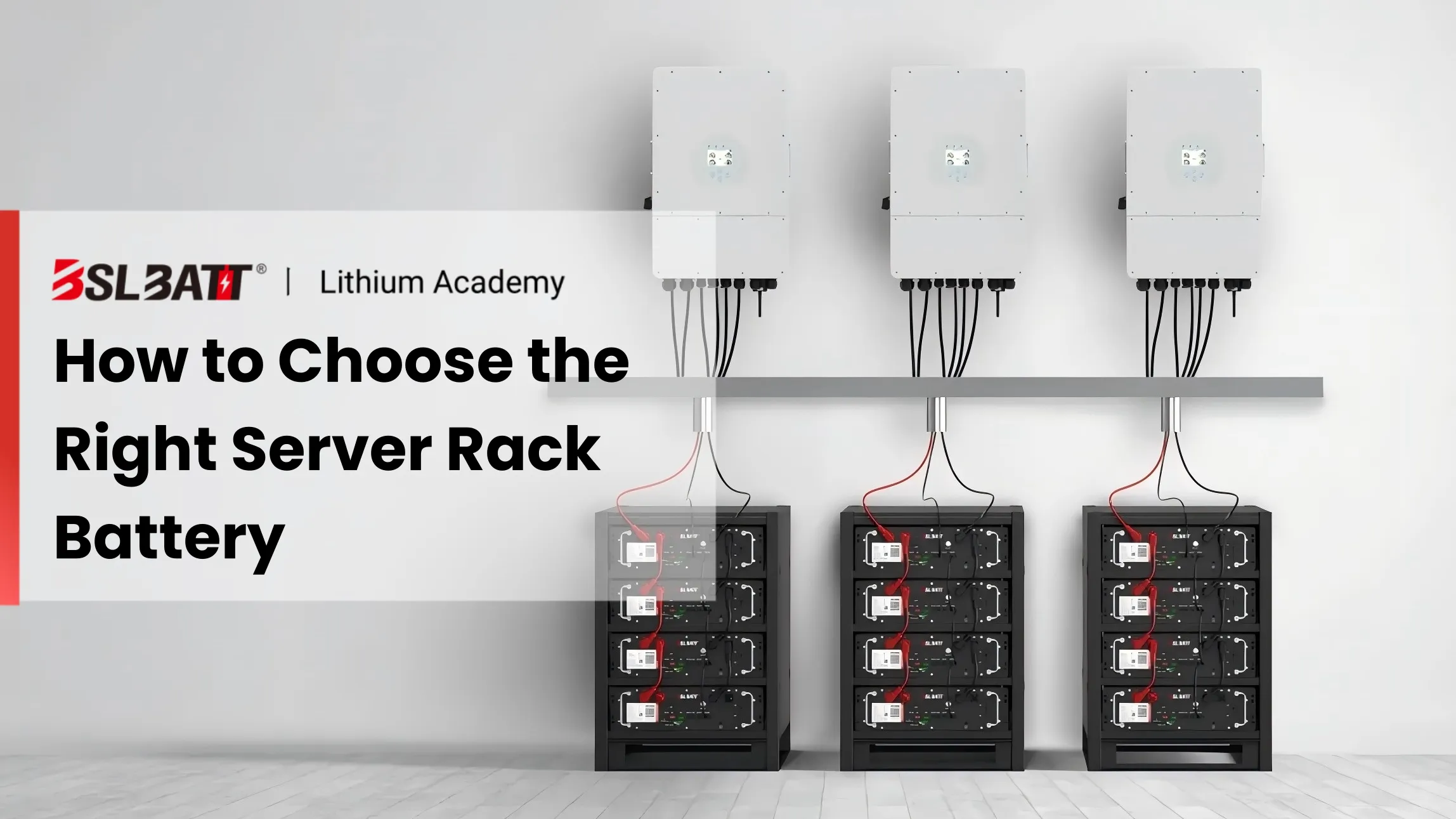
Battery storage solutions store energy from the grid or solar panels. They give power instantly during an outage. Batteries need charging but are quiet and clean.
Hybrid systems combine generators, solar panels, and batteries. They switch power sources to save fuel and keep power steady. These systems are flexible but cost more upfront.
Factors Influencing Reliability
Power source stability is key for a reliable system. Choose a source that stays steady during outages. Some power systems may drop or fail often. Others keep running without interruption. This affects how well your devices work.
System capacity and load must match your needs. A system too small will not handle all devices. Too large wastes energy and money. Calculate the total power your devices need. Add some extra to be safe.
Maintenance requirements impact reliability too. Some systems need regular checkups and part changes. Others run longer without care. Choose one you can maintain easily. This keeps your power system ready and working.
Environmental impact matters for many users. Some power systems create pollution or noise. Others are cleaner and quieter. Think about your environment and neighbors. Pick a system that fits your values and local rules.
Assessing Your Power Needs
Start by listing essential appliances like fridge, lights, and fans. Add their power ratings in watts. Multiply watts by hours used to find total energy needed.
Think about how long outages usually last. Short outages need less energy storage. Long outages need bigger batteries or fuel tanks.
Set a clear budget. Generators cost less upfront but use fuel. Solar systems cost more but save money later. Balance cost and benefits carefully.
Check the space available for installation. Large generators or batteries need more room. Small homes may need compact systems. Plan where to place equipment safely.

Credit: www.youtube.com
Comparing Power System Costs
Initial investment means the money spent to buy and install the power system. Some systems cost more upfront but last longer. Others have a lower cost but need more repairs.
Operating expenses include maintenance, repairs, and regular checks. Systems that need less care save money over time. Choose one that fits your budget for upkeep.
Fuel and energy costs depend on the type of power system. Gas or diesel systems need fuel, which can be expensive. Solar or battery systems use free energy from the sun, but may cost more at first.
Long-term savings come from choosing a system that uses less fuel and needs less fixing. Sometimes paying more at the start saves money later. Think about costs over many years, not just now.
Installation And Setup Tips
Choose a dry, flat, and open space for your power system. Avoid spots near windows or vents to prevent fumes from entering your home. Keep it away from plants and flammable materials. Good airflow is important to stop overheating.
Always wear protective gloves and glasses during setup. Make sure the system is off before starting any work. Use correct tools and check for damaged parts. Keep children and pets away from the area.
| Installation Type | Advantages | Considerations |
|---|---|---|
| Professional | Safe, fast, and follows rules | Costs more, requires scheduling |
| DIY | Less expensive, learn new skills | Needs time, risk of mistakes |
Maintenance For Longevity
Routine checks keep power systems working well. Check batteries for leaks or damage. Clean dust from vents and fans. Test the system often to find small problems early. Tighten loose wires and connections.
Troubleshooting common issues is simple if problems happen. Listen for strange noises or smells. Check power output with a meter. Replace blown fuses or reset tripped breakers quickly. Look at error codes on digital displays to find faults.
Upgrading components helps your system last longer. Change old batteries with new ones regularly. Upgrade to better control panels for easier use. Add surge protectors to guard against lightning or power spikes. Keep software updated to fix bugs and improve performance.
Case Studies Of Reliable Systems
Residential solutions focus on backup power for homes during outages. Many use solar panels with battery storage to keep lights and refrigerators running. Generators are common too, especially for longer power cuts. These systems offer quiet operation and easy control.
Commercial applications require power systems that can handle large loads. Businesses often choose diesel generators or hybrid systems combining solar and batteries. These keep stores, offices, and factories working without interruption. Systems are built to start automatically when power fails.
Remote area installations need power solutions that work off the grid. Solar panels paired with large batteries are popular here. Some use wind turbines or small fuel generators. These setups allow people to live and work far from city power lines.

Credit: cpower.com
Frequently Asked Questions
What Types Of Power Systems Work Best During Outages?
Generators, solar batteries, and UPS systems are top choices. Generators offer long-term power, solar batteries provide eco-friendly backup, and UPS systems protect sensitive devices during short outages.
How Do I Choose The Right Power System Size?
Assess your essential appliances’ total wattage first. Choose a system that supports this load with a 20% buffer for safety and efficiency.
Are Solar Power Systems Reliable For Outages?
Yes, solar systems with battery storage are reliable. They provide clean energy and can power your home during extended outages if properly sized.
What Maintenance Is Required For Backup Power Systems?
Regularly check fuel levels, battery charge, and system connections. Perform routine inspections to ensure readiness and extend the system’s life.
Conclusion
Choosing the right power system keeps your home safe during outages. Think about your needs and budget first. A reliable system means less worry when the power goes out. Small or large, each option has its own benefits. Make sure to compare features and costs carefully.
Good planning helps you stay prepared and comfortable. Don’t wait for the next blackout to decide. Act now to protect your family and devices. Power outages can be tough, but the right system makes them easier.

Leave a Reply