

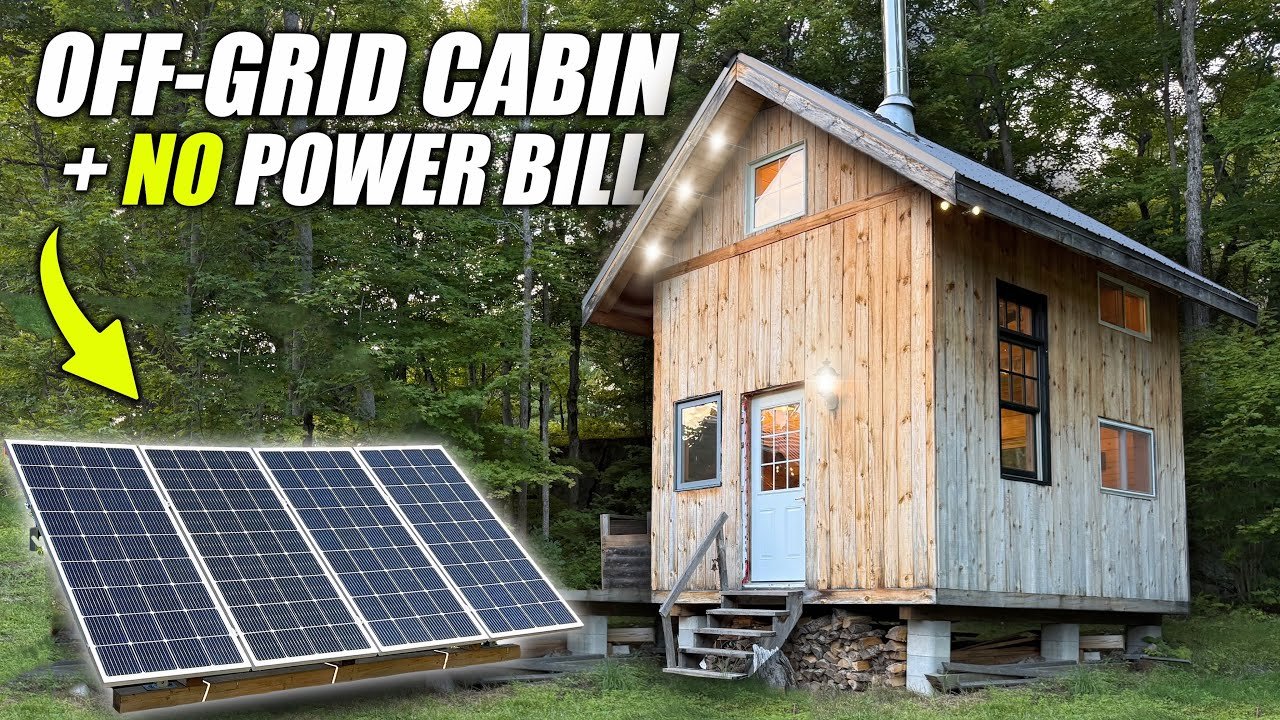
Imagine having your own cozy cabin, completely off the grid, powered by clean, reliable solar energy. No noisy generators, no electric bills, just pure freedom and peace.
If you’re thinking about making your off-grid cabin truly self-sufficient, solar power is the key. This guide will show you exactly how to set up a solar system that fits your needs, saves you money, and keeps you connected to nature without sacrificing comfort.
Ready to discover how solar power can transform your off-grid experience? Keep reading to unlock the secrets to energy independence for your cabin.
Benefits Of Off Grid Solar
Energy Independence means you get power without using the grid. This keeps your cabin safe during blackouts. Solar panels store energy in batteries for use anytime. No need to pay for electricity from companies.
Cost Savings happen because solar power is free after setup. You save money on electric bills every month. Solar panels need little care and last many years. No fuel costs or delivery fees.
Environmental Impact is smaller with solar power. It uses sunlight, a clean and endless source. No smoke or pollution comes from solar panels. This helps keep the air and land healthy.
Choosing The Right Solar System
Solar panels come in three main types: monocrystalline, polycrystalline, and thin-film. Monocrystalline panels are the most efficient but cost more. Polycrystalline panels are less expensive but work well too. Thin-film panels are light and flexible but less powerful.
Batteries store energy for use at night or cloudy days. Lead-acid batteries are common and affordable but heavy. Lithium-ion batteries last longer and are lighter but cost more. Choose based on your budget and needs.
Inverters change solar power into usable electricity. Pure sine wave inverters provide clean power for sensitive devices. Modified sine wave inverters are cheaper but less smooth. Pick an inverter that fits your appliances and power size.
Estimating Energy Needs
Start by listing all the appliances you want to use daily. Note their wattage and how long you use each one. Multiply watts by hours to get the daily energy in watt-hours.
Focus on important appliances first, like lights, fridge, and water pump. Less important items can wait or use less power. This helps keep your solar system smaller and cheaper.
Energy needs can change with the seasons. Longer days in summer mean more solar power. Shorter days in winter need you to save energy or add batteries. Plan for the worst-case season.
Credit: www.solar-electric.com
System Design And Setup
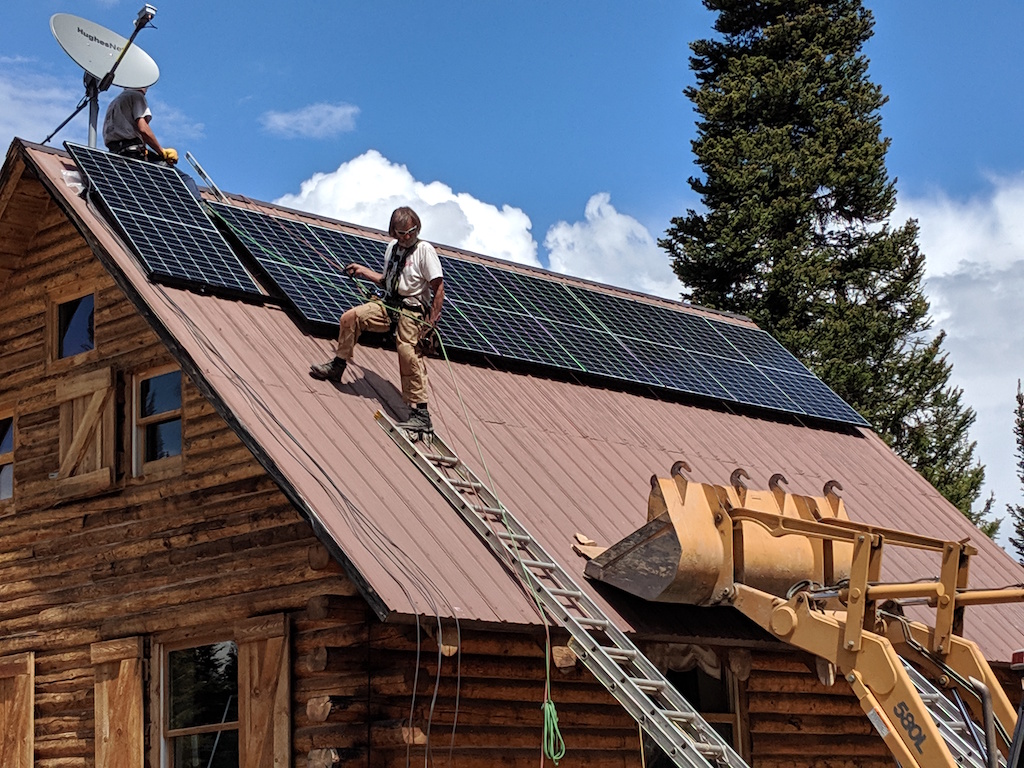
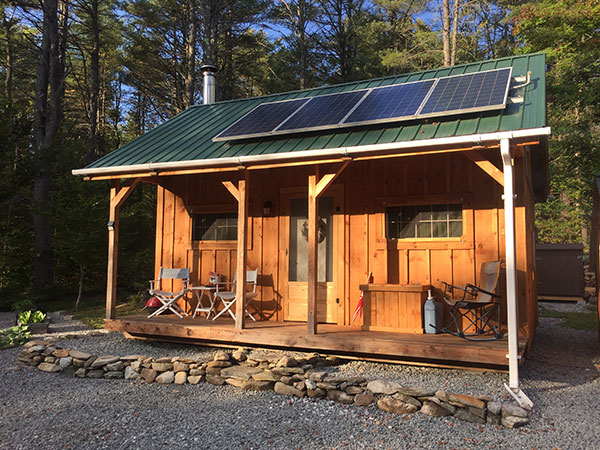
Solar panels must face the sun directly to get the most power. Place them where they get full sunlight all day, away from trees or buildings. Panels work best on roofs or open ground that does not have shade.
Use thick, weatherproof wires to connect panels to batteries and devices. Check all connections to avoid electric shocks or short circuits. A fuse or breaker helps protect your system from damage.
| Mounting Type | Description | Best Use |
|---|---|---|
| Fixed Mount | Panels are set in one position. | Easy setup, low cost. |
| Adjustable Mount | Angle can be changed by season. | Better sunlight capture all year. |
| Tracking Mount | Automatically follows the sun. | Max power but higher price. |
Maintaining Your Solar Power System
Regular checks of your solar panels help keep them working well. Look for dirt, leaves, or bird droppings on the panels. Clean panels let in more sunlight, making more power.
Check wires and connections to find any loose or damaged parts. Fixing small problems early stops bigger issues later. Watch for rust or cracks on the panels and mounts.
Battery care means keeping batteries clean and dry. Check battery water levels if your system uses lead-acid batteries. Use a soft cloth to wipe off dirt and corrosion on battery terminals.
Keep batteries charged but not too full. Overcharging or deep discharging can shorten battery life. Store batteries in a cool, dry place to last longer.
| Common Issue | What to Do |
|---|---|
| Low power output | Clean panels and check shading |
| Battery won’t hold charge | Test battery and replace if needed |
| Loose wires or connections | Tighten or replace wires |
| Inverter not working | Reset inverter or call expert |
Credit: jamaicacottageshop.com
Maximizing Efficiency
Save energy by turning off lights and devices when not in use. Use LED bulbs to reduce power use. Keep your cabin insulated to keep heat or cool air inside. This helps your system work less.
Upgrade solar panels to newer models that capture more sunlight. Use high-quality batteries for better storage and longer life. Replace old wires and parts to avoid energy loss.
Check your solar system daily. Use simple meters to track how much energy you use and produce. Spot problems early to fix them fast. This keeps your cabin running smoothly.
Legal And Environmental Considerations
Building an off grid cabin with solar power requires permits from local authorities. These rules vary by state and town. Some places need special permission for solar panels or cabins. It is important to check the zoning laws before starting.
Solar power has a low environmental impact. It does not create noise or air pollution. But, the production of solar panels uses some energy and materials. Proper disposal of old panels helps protect the environment.
Off grid living can be challenging. Solar power depends on sunlight, so energy might be low on cloudy days. Batteries need space and care. Water, waste, and heating systems must be planned well. Living far from towns means less help in emergencies.

Credit: www.youtube.com
Frequently Asked Questions
What Size Solar System Suits An Off Grid Cabin?
The ideal solar system depends on your cabin’s energy needs. Typically, 1-3 kW systems work for small cabins. Calculate daily power use and add 20-30% extra capacity for cloudy days. This ensures reliable power without overspending.
How Do Batteries Store Solar Power Off Grid?
Batteries store excess solar energy generated during the day. They supply power when the sun isn’t shining. Deep-cycle lithium or AGM batteries are common choices. Proper battery storage ensures continuous electricity and maximizes your off grid cabin’s solar system efficiency.
Can Off Grid Solar Power Support Heating Systems?
Yes, off grid solar can power heating systems. Efficient electric heaters or heat pumps work best. Solar systems must be sized to handle higher power demands in winter. Combining solar with alternative heating like wood stoves improves reliability and comfort.
What Maintenance Does An Off Grid Solar Cabin Require?
Maintenance involves cleaning solar panels regularly and checking battery health. Inspect wiring and connections for damage or corrosion. Replace batteries every 5-10 years. Routine checks maximize system lifespan and ensure consistent off grid power for your cabin.
Conclusion
Solar power makes off-grid cabins more independent and eco-friendly. It provides reliable energy without fuel or noise. Panels and batteries store power for night and cloudy days. This setup lowers costs and reduces pollution. Planning your system carefully ensures it meets your needs.
Solar energy helps enjoy nature without giving up comfort. A smart choice for anyone building or upgrading a remote cabin. Simple, quiet, and clean energy keeps life easy off the grid.

Leave a Reply